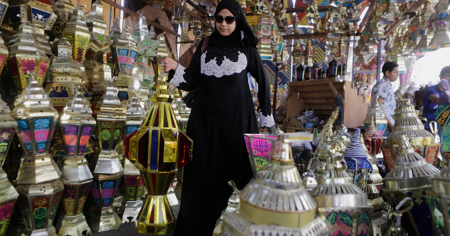



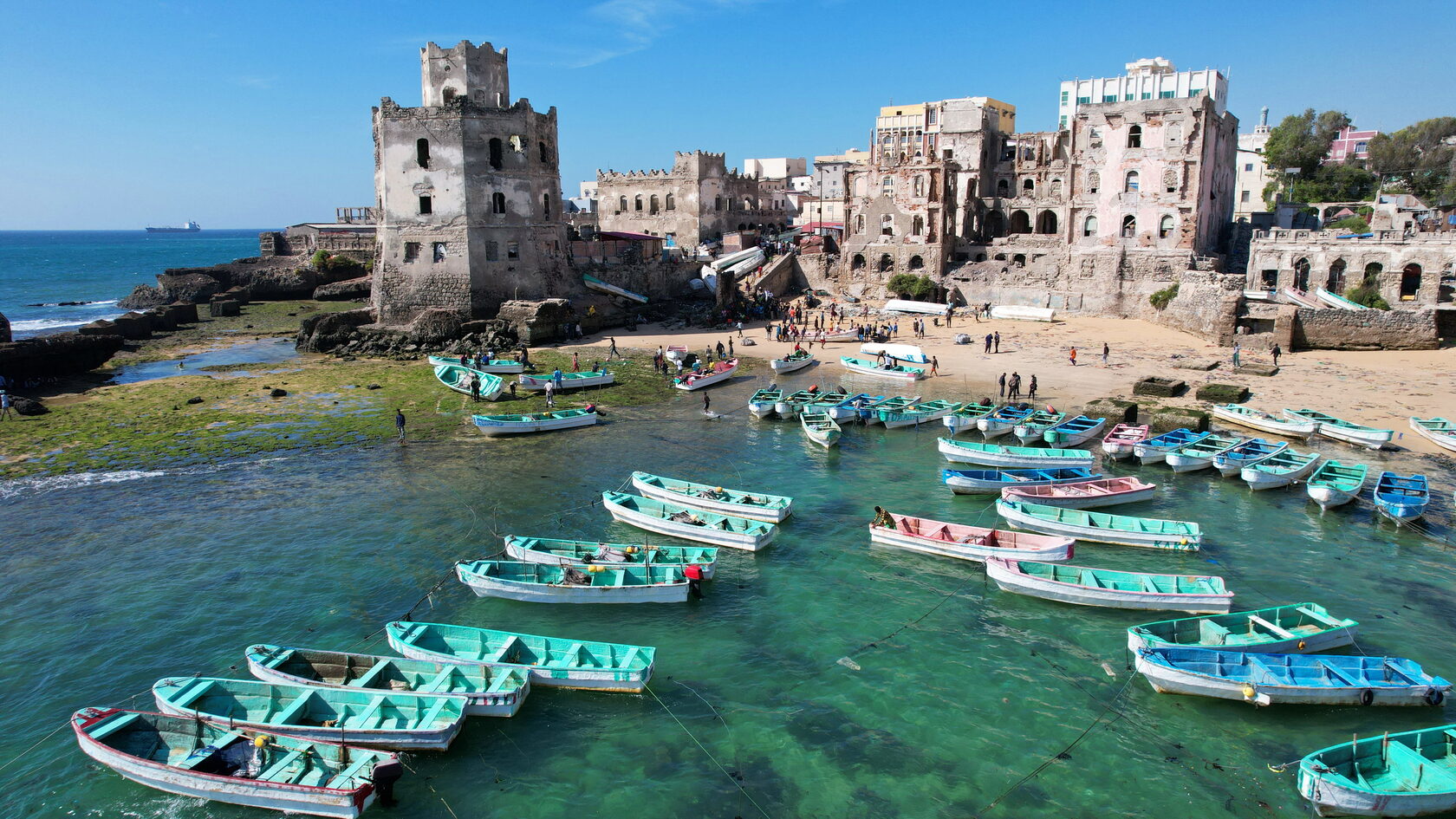
Somali Coastal Memory is something that many people outside of East Africa do not really understand because they usually think of the desert or camels when they think of Somalia. However the truth is that Somalia has the longest coastline on the mainland of Africa and this has shaped the soul of the people for thousands of years. From the ancient port of Zeila in the north to the beautiful shores of Kismayo in the south the ocean is more than just water. It is a place of stories trade and a deep connection to the rest of the world. Somali Coastal Memory lives in the songs of the fishermen and the ruins of old stone cities that still stand against the salty wind today.
The Ancient Trade Routes of the Somali People
Long before modern ships existed the people of the coast were master sailors who traveled to India China and the Arab world. This history of Somali Coastal Memory is found in the DNA of the coastal towns like Mogadishu and Brava. Merchants used to trade frankincense gold and exotic animals for silk and spices. This made the coastal cities very rich and multi-cultural places where different languages and foods blended together. When you walk through the old parts of these cities you can feel the history in the narrow streets and the carved wooden doors. It is a reminder that the sea was never a barrier but a bridge that connected the Somali people to every corner of the globe.
Secret Stories and Sea Folklore
Every culture has its myths and for Somalis the ocean is full of mysterious spirits and legends. Part of the Somali Coastal Memory involves tales of sea creatures and spirits that live in the deep blue waters. Local fishermen often have rituals or poems they recite to ask the sea for protection before they go out on their boats. There are stories about “huryo” or sea spirits that can either help or trick sailors depending on how they are treated. These legends are passed down from grandfathers to children sitting on the beach at night and they help keep the respect for nature alive in the hearts of the younger generation.
Why Somali Coastal Memory Matters for Modern Identity
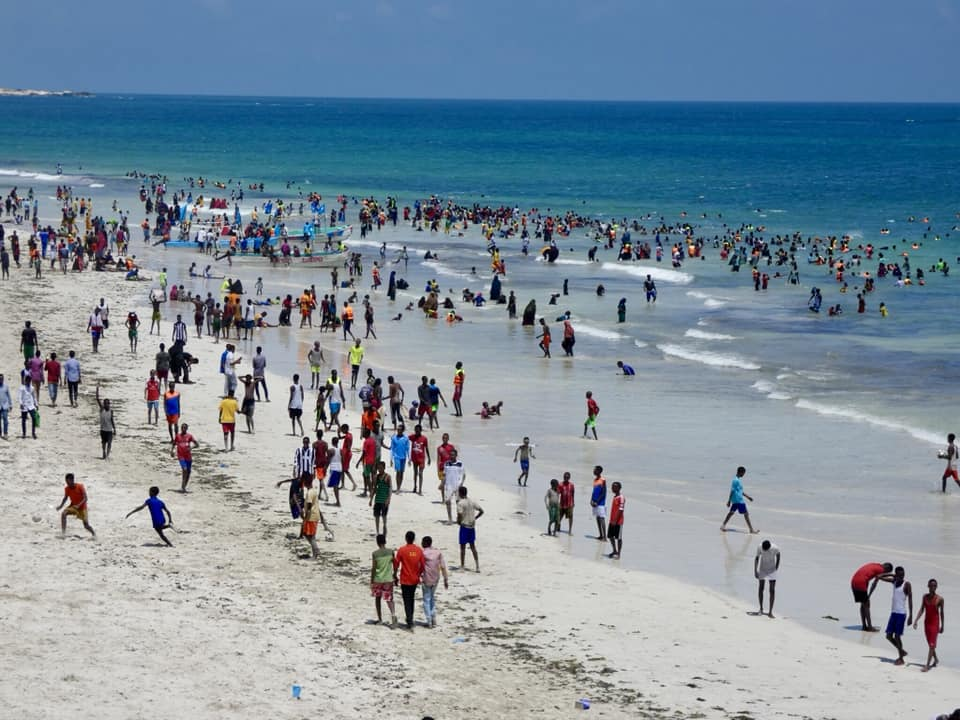
In the recent years of trouble many people forgot about the maritime heritage of the country but now there is a big move to bring it back. Somali Coastal Memory is helping young people connect with a past that is full of success and global influence. Festivals are being held along the beaches where people share traditional seafood dishes and play music that sounds like the waves. By remembering that they are a people of the sea Somalis are finding new ways to rebuild their economy through fishing and tourism. It gives the youth a sense of pride to know that their ancestors were not just nomads but also great navigators of the Indian Ocean.
The Architecture of the Coral Stone Cities
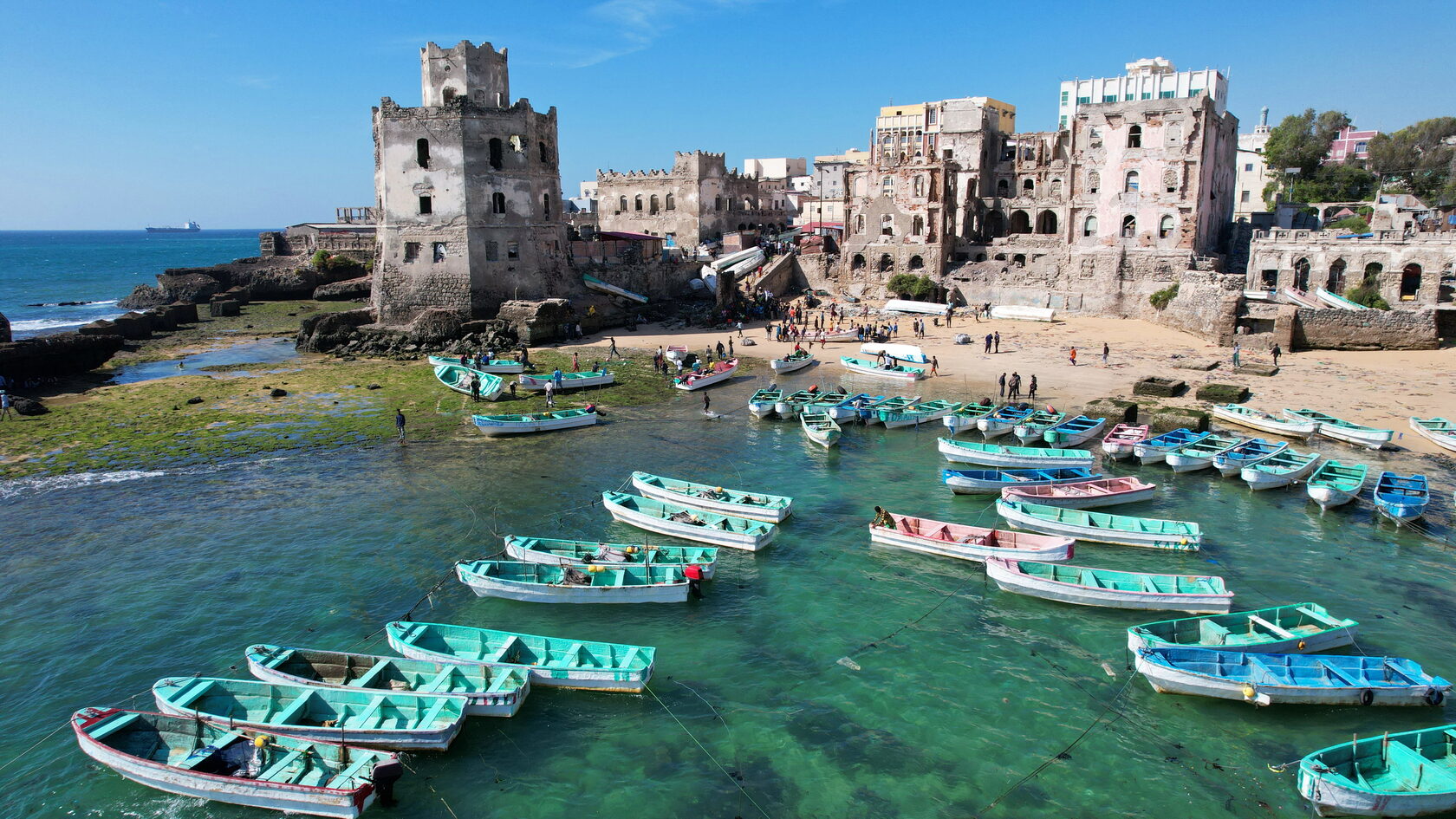
One of the most amazing things you can see along the coast is the unique building style that uses coral stones from the sea. This physical part of Somali Coastal Memory shows how the people used the environment to build lasting homes. These buildings are designed to stay cool in the hot sun and they have beautiful geometric patterns that reflect Islamic art. Unfortunately many of these old structures have been damaged but there is a growing effort to save them. Saving these buildings is not just about old rocks but about keeping the spirit of the coastal ancestors alive for the future.
Fishing Traditions and Local Food Culture
You cannot talk about the sea without talking about the food that comes from it. In many parts of the country people love meat but on the coast fish is the king of the table. Somali Coastal Memory is tasted in the spicy grilled fish and the unique rice dishes found in cities like Merca. The traditional ways of fishing using small hand-made boats called “dhows” are still used by many today. These boats are built using skills passed down through hundreds of years without any modern machines. It is a slow and beautiful way of life that respects the rhythm of the ocean and ensures that the sea stays healthy for the next generation.
The Spiritual Connection to the Waves
For many poets in Somalia the sea is a metaphor for life itself with its highs and lows. Somali Coastal Memory is found in the classic poetry of the region where the blue horizon represents hope and the unknown. Many famous poems describe the sound of the monsoon winds and how they bring the rain that the whole country waits for. This connection between the sea and the weather is vital because the ocean regulates the climate of the entire Horn of Africa. The people know that if the sea is healthy the land will be healthy too which creates a very strong bond between the water and the people living near it.
Protecting the Shoreline for the Future
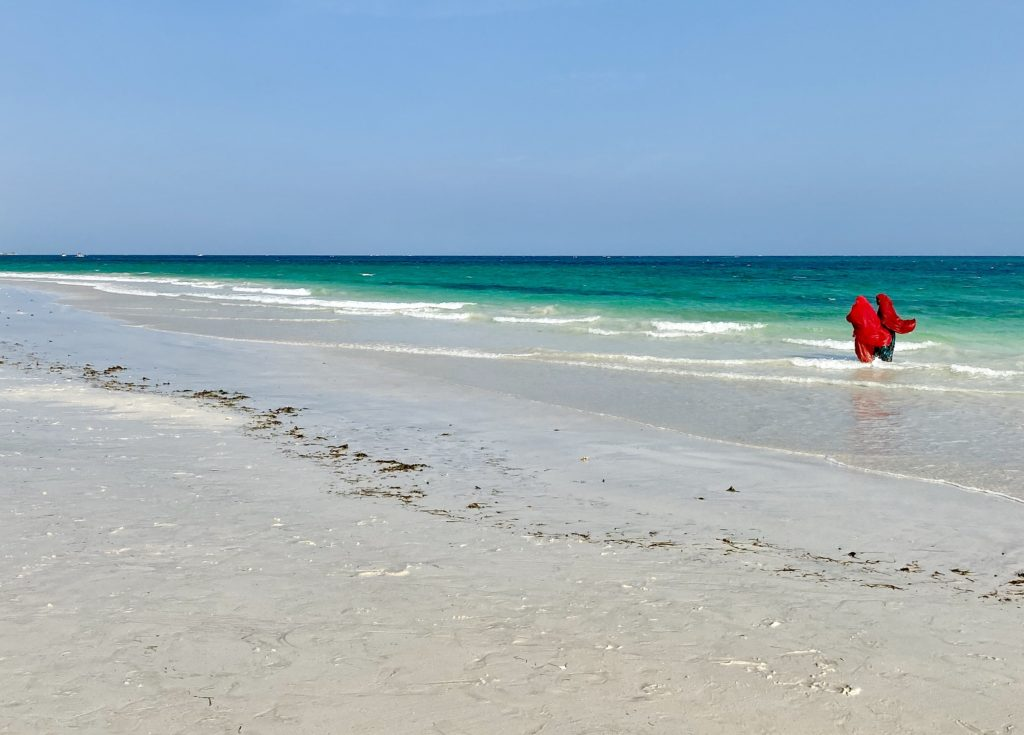
As the world changes the coast faces new challenges like pollution and rising water levels. However the strength of Somali Coastal Memory is helping communities organize to protect their beaches. People are starting to realize that the white sands and clear waters are the most valuable treasures they have. Cleaning up the plastic and protecting the fish stocks is a way of honoring the history of their fathers. It is a movement of love for the land and the water that is growing every single day among the coastal residents.
Read Also: How Does Somali Diaspora Culture Impact the Future of the Nation?
The sea will always be a part of the Somali heart no matter where they go in the world. Somali Coastal Memory is a powerful force that brings people together and reminds them of their greatness. Whether it is through trade stories or a simple plate of fried fish the ocean remains a source of life and inspiration. We should all take a moment to learn more about this beautiful history that is often hidden from the news. It is a story of resilience beauty and a deep love for the endless blue horizon.