

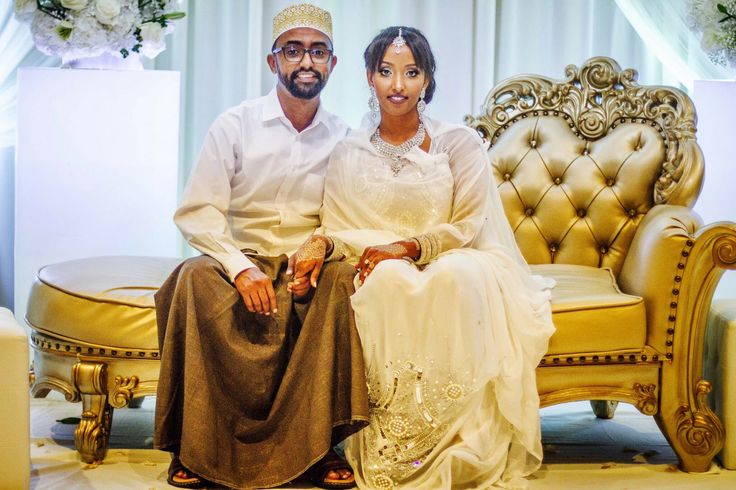
Somali wedding traditions are still full of drums, gold, poetry and big family parties, but if you compare a wedding from twenty years ago with one happening today you’ll see huge differences. Somali wedding traditions used to take months of planning and cost a fortune, now many young couples try to keep the beautiful parts but make everything simpler, cheaper and sometimes even mix with modern styles.
The old days everybody remembers
Twenty years ago Somali wedding traditions started with the girl’s family asking very high meher (dowry) sometimes 100 camels or more if the family was rich. The groom’s side had to bring gold jewelry, many dresses, perfume, and pay for seven days of nonstop food and dancing. My aunt got married in 1998 and her wedding lasted ten full days with a different party each night.
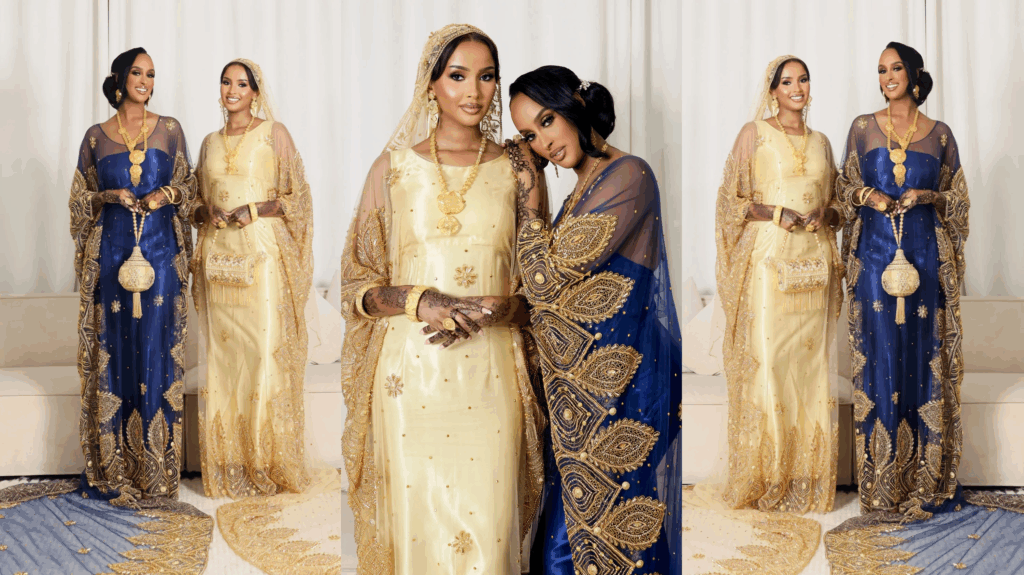
These days Somali wedding traditions have changed a lot about money. Most families in the cities ask for reasonable meher – maybe $3,000–$8,000 plus some gold. In the diaspora it’s even less, sometimes just a symbolic gold ring and promises to take care of the wife. Young men say “we can’t pay 50 camels when we don’t even own one goat.”
The yar-yar and the big party
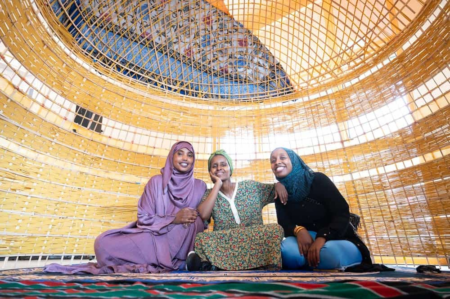
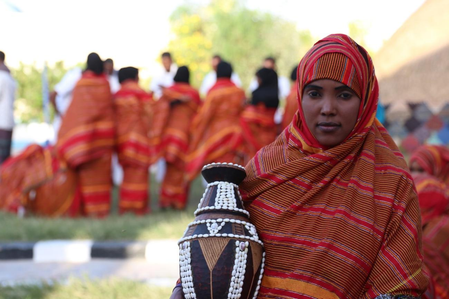
The yar-yar (small party at girl’s house) and the big wedding night are still the heart of Somali wedding traditions. Girls wear the famous Dirac with heavy gold, men wear nice macawiis, buraanbur poetry never stops, and everybody dances gaaf until morning. That part didn’t change much – you still hear the same drums in Mogadishu, Hargeisa or Minneapolis.
How Somali Wedding Traditions Mix with Modern Life
Now many couples add new things. Some do an engagement photo shoot in a park wearing a suit and white dress first, then change to traditional clothes for the real party. Others make wedding hashtags on Instagram and do live on TikTok so relatives in Canada or Dubai can watch. One couple I know even cut cake with a sword – everybody laughed but loved it.
The food fight – rice vs pasta
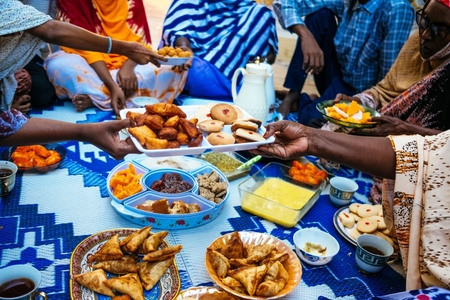
Food is another place where Somali wedding traditions are changing. Old weddings only had rice with goat meat, canjeero, sambusa and camel milk. Today you see spaghetti, pizza, fried chicken and soft drinks everywhere because kids grew up eating that in the refugee camps or abroad.
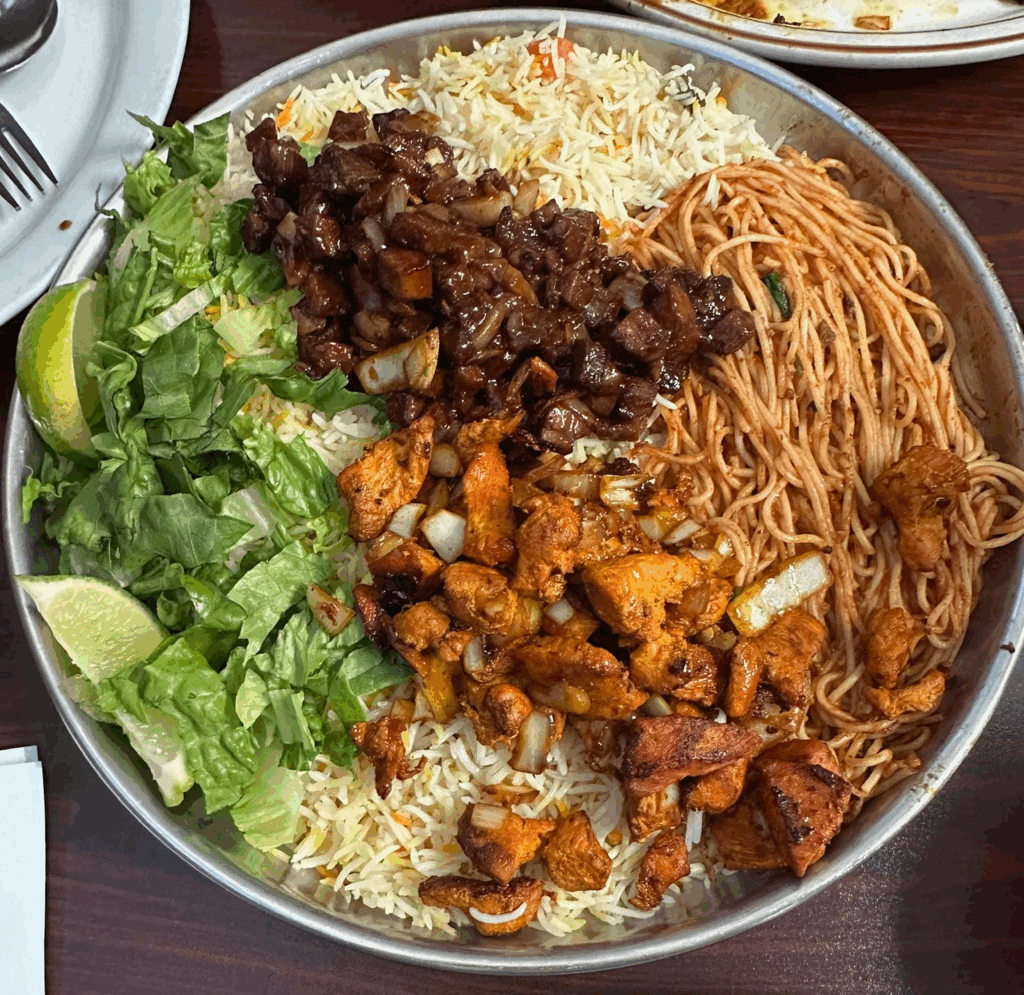
In the small towns and villages Somali wedding traditions stay almost the same – big tents outside, women cook for three days, men slaughter many goats, dancing under the moon. In big cities like Mogadishu or Nairobi people rent fancy halls with AC, DJ, light show and security at the door because of safety.
Before parents chose everything – who you marry, when, how much meher. Today young people meet at university, workplace or Instagram first, fall in love, then bring the boy or girl home. Parents still have final word but they listen more than before.
What will never change
No matter how much changes come, some Somali wedding traditions stay forever: the nikah in the masjid, the duqayel (old men) giving advice, women singing buraanbur for the bride, men doing dabqaadh dance, everybody spraying perfume on the couple. These things make us feel Somali even when we live far away.
Read Also: Hidden Somalia Travel Wave: 7 Things That Will Make You Book the Ticket Tomorrow
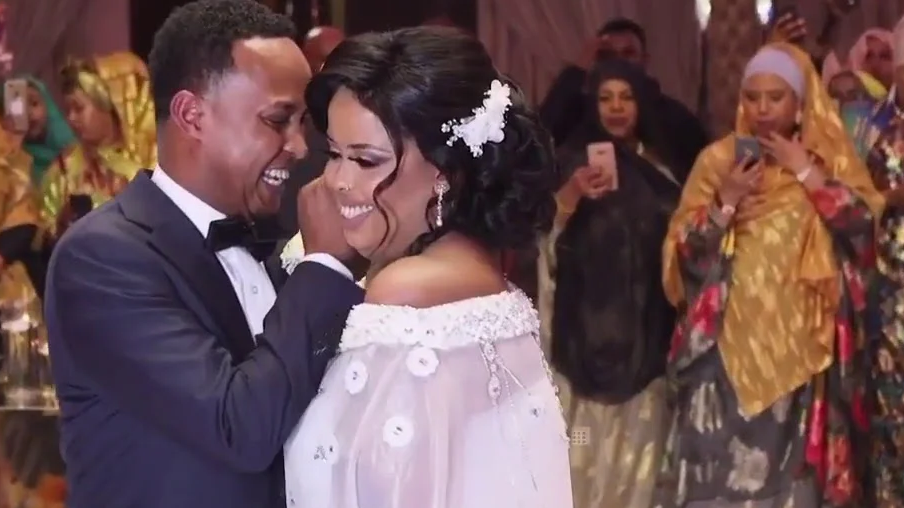
Somali wedding traditions are moving with time but the heart is still the same – big love, big family, big celebration. Young couples today just want the same happiness our grandparents had, but with less debt and more Wi-Fi.