

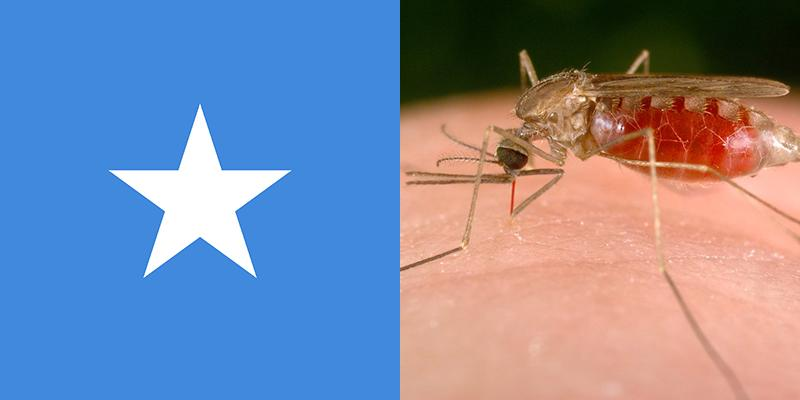
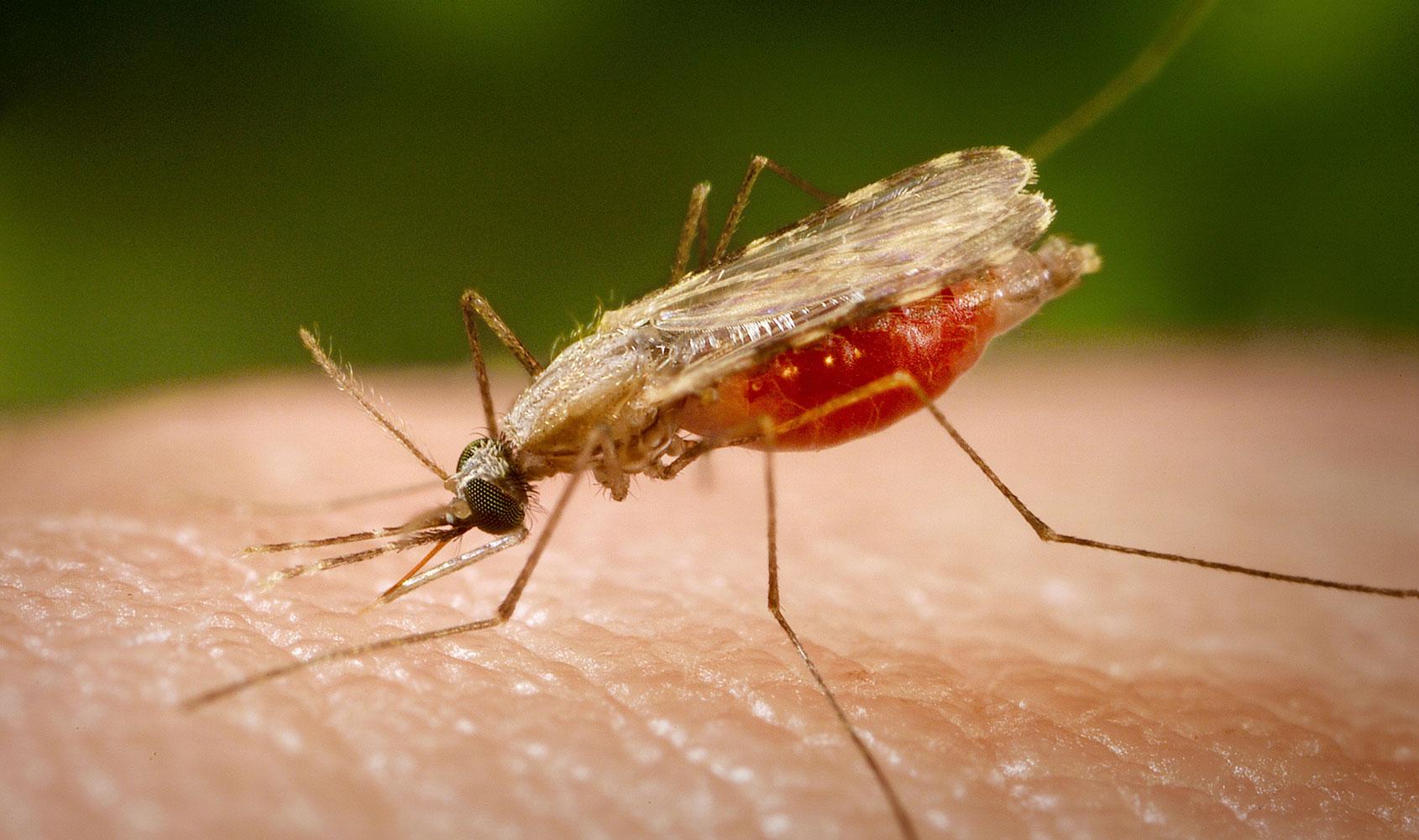
Malaria Control in Somalia is still one of the toughest health fights in the whole world. Every single year thousands of kids under five and pregnant women lose their lives just because a small mosquito bites them at night. The numbers are scary: in some regions more than half the children you meet have had malaria at least once this year.
Even with thirty years of war, endless drought, sudden floods and people so poor they sometimes have to choose between food or medicine, there are doctors, nurses, mothers, village volunteers and big organizations who wake up every morning and keep fighting the disease. They refuse to let it win. This article is going to walk you through what’s actually happening on the ground today, the small wins nobody hears about, the huge walls they keep hitting, and whether someday Somalia can really say goodbye to this killer for good
Why Malaria Control in Somalia is so hard
Somalia is huge and many places have no roads, no clinics, nothing. When the rains come, water stays everywhere and mosquitoes breed like crazy. Malaria Control in Somalia gets even harder because people move all the time, nomads, displaced families, fighters. The disease travels with them. On top of that, treated bed nets and medicines often run out or reach late. Sometimes the truck with supplies can’t pass because of fighting or flooded rivers.
Bed nets and spraying: the main weapons
The biggest help right now is giving out free long-lasting insecticide-treated nets. Groups like the Global Fund, UNICEF and WHO bring in millions every year. In 2024 alone more than 3.2 million nets went to south and central regions. People started using them much more after door-to-door teaching campaigns. Indoor spraying is also done where security allows, but it costs a lot and needs trained teams that sometimes can’t enter dangerous zones.
Fast testing and free treatment
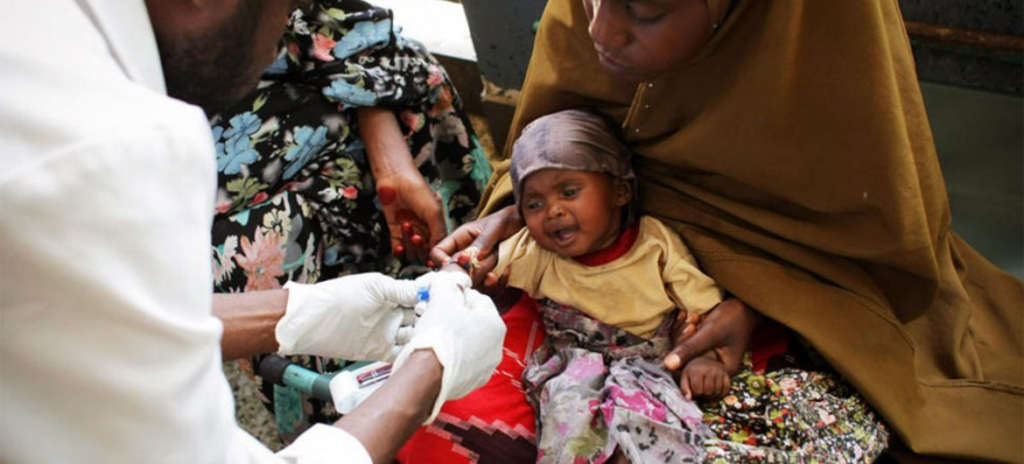
If someone gets fever they need medicine in the first day or two or they can die fast. In villages now there are community health workers, regular local people trained to prick a finger, test blood in 15 minutes and give the pills right there. Malaria Control in Somalia depends on these workers because the nearest clinic can be two days walk. The medicines are free, paid by donors, but getting them to every corner is still the big problem.
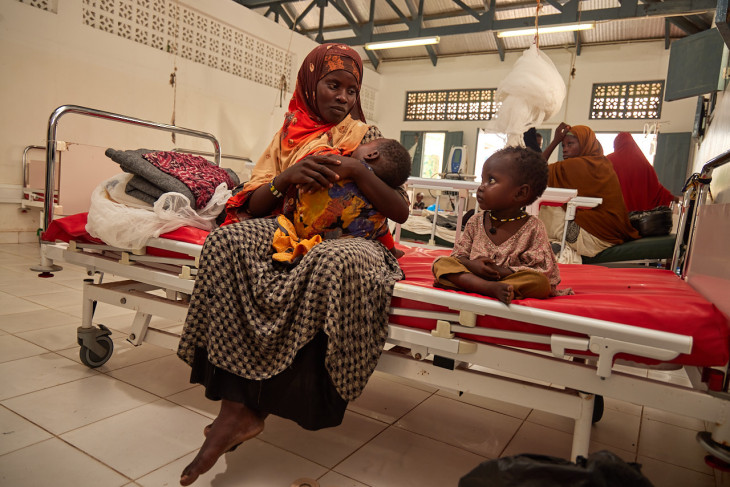
The Ministry of Health tries to coordinate everyone so no area gets forgotten. There is a national plan from 2021-2025 that wants to cut deaths by half. In places where programs run well, cases already dropped almost 35 percent in the last three years. USA, UK, World Bank and many others keep sending money, tens of millions every year.
New worries: climate change and resistance
Rainy seasons are getting longer and hotter years help mosquitoes live longer. Scientists also worry that mosquitoes will stop dying from the usual insecticides or the parasite will laugh at the common drugs. Malaria Control in Somalia has to keep changing, new kinds of nets, maybe vaccines that are starting to reach Africa soon.
Also Read: 7 Somali Winter Foods that protect your health
Honestly the road looks very long. But things are moving. If peace gets better, if small clinics open in every district, if money keeps coming and people keep using nets and seeking help fast, maybe in 15-20 years malaria will stop being a daily killer. Malaria Control in Somalia is not impossible, it just needs the world not to look away and Somalis not to give up. One net, one test, one saved child at a time.