

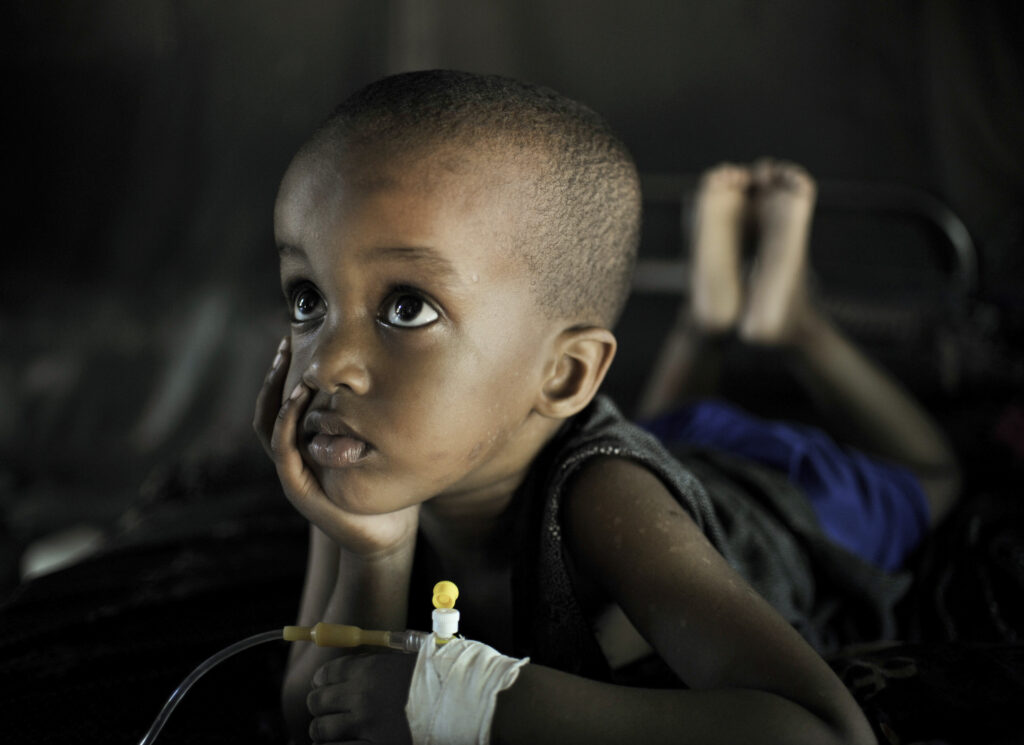
Infectious diseases in Somalia used to kill quietly and fast, taking babies before they walked and elders before they saw grandkids grow. Cholera, measles, malaria, tuberculosis; they loved the camps, the dirty water, the broken clinics. But something changed. Infectious diseases in Somalia are meeting real resistance with ten strong moves that save lives every single day.
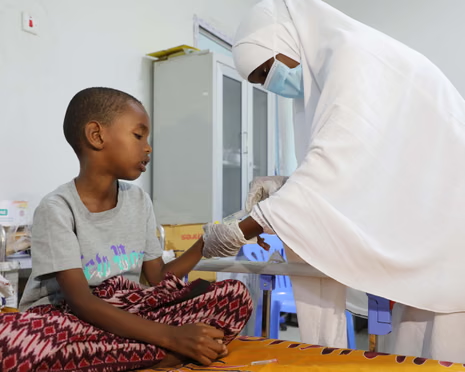
The 10 Game-Changing Weapons Against Infectious Diseases in Somalia
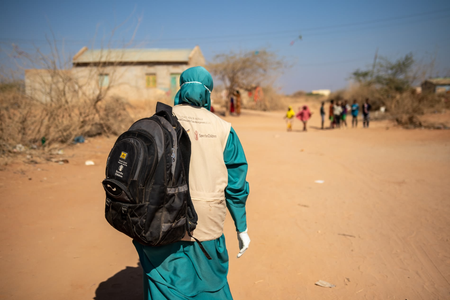
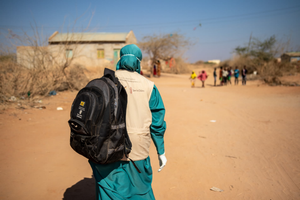
- Mobile health teams that hunt sickness down Doctors and nurses load jeeps with vaccines and medicine, drive to the deepest bush, vaccinate kids under trees. Last year they reached 400,000 children who never saw a doctor before. Deadly diseases in Somalia lose when the help goes to the people.
- Local health workers everyone trusts Pick a mom or dad from the village, train them two weeks, give them a bike and a bag of supplies. They spot measles early, treat malaria fast, teach handwashing. One woman in Gedo saved 42 kids in a month just by knowing faces. Infectious diseases in Somalia hate these heroes.
- Radio that talks health every morning Turn on any local station and hear a doctor explain how to stop cholera or clean a wound. Moms listen while cooking, kids hear it at markets. One campaign cut cholera cases 60 % in Baidoa in three months. Infectious diseases in Somalia travel by airwaves and lose.
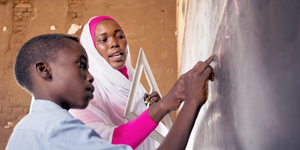
- Schools where health comes first Before ABC, kids learn to wash hands with soap. Teachers get kits, students get free soap. One school in Hargeisa dropped stomach bugs 80 % in a year. Deadly diseases in Somalia can’t beat clean little hands.
- Mosquito nets that save more lives than guns Malaria kills the most kids. Two million nets handed out last year. Hang it over the bed, sleep safe. Simple cloth, huge victory. Infectious diseases in Somalia lose ground one net at a time.
- Vaccination teams that never stop Door to door, camp to camp, coolers full of measles, polio, covid shots. In 2024 one big push vaccinated 1.2 million kids. Deadly diseases in Somalia hate needles and children who don’t get sick.
- Clean water points that kill cholera before it starts New borehole, chlorine tablets, protected spring. One water point in Lower Shabelle dropped cholera from 400 cases to 20 in months. Infectious diseases in Somalia need dirty water to live.
- Rapid response teams on standby Cholera shows up; trucks with soap, medicine, and tents arrive in 48 hours. They treat, teach, stop the spread cold. Deadly diseases in Somalia get knocked out fast when the cavalry comes quick.
- Mosques and markets that preach health Imam adds two minutes after Friday prayer about vaccines. Market ladies hand out picture flyers. One mosque campaign got 5,000 kids vaccinated in a week. Infectious diseases can’t fight trust.
- Phone hotlines and free SMS alerts Text “cholera” to 400 and get instant advice. Call the free line and talk to a nurse. In Mogadishu one hotline gets 2,000 calls a day. Infectious diseases in Somalia now fit in every pocket and lose.
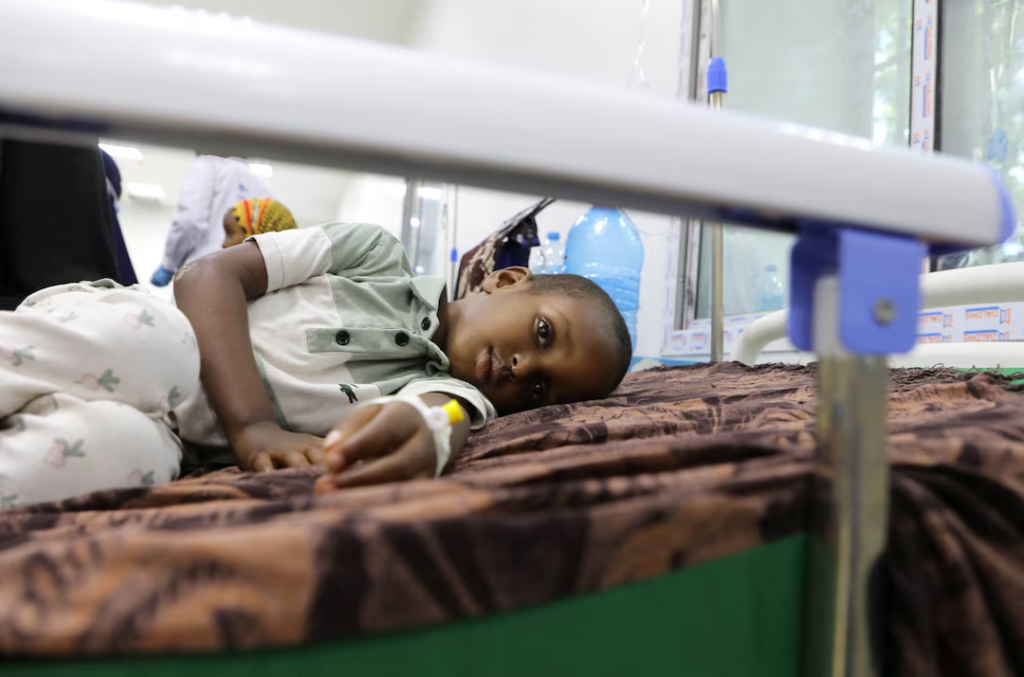
Faces of the Fight
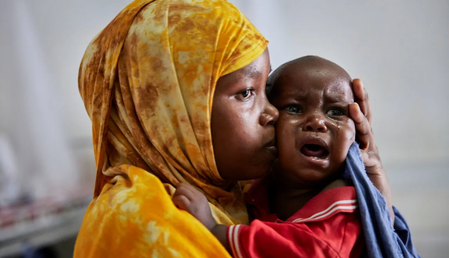
Halima in Bakool watched her baby turn blue from measles. The village health worker rode a donkey 20 km with medicine and saved him. Now Halima teaches other moms. Infectious diseases turn victims into victors.
Also Read: Malaria Control in Somalia: Will Effective Strategies Save Lives?
In Puntland camps malaria used to strike every month. New nets and sprays dropped cases to almost zero. Kids play football again instead of burning with fever. Infectious diseases in Somalia give childhood back one net at a time.
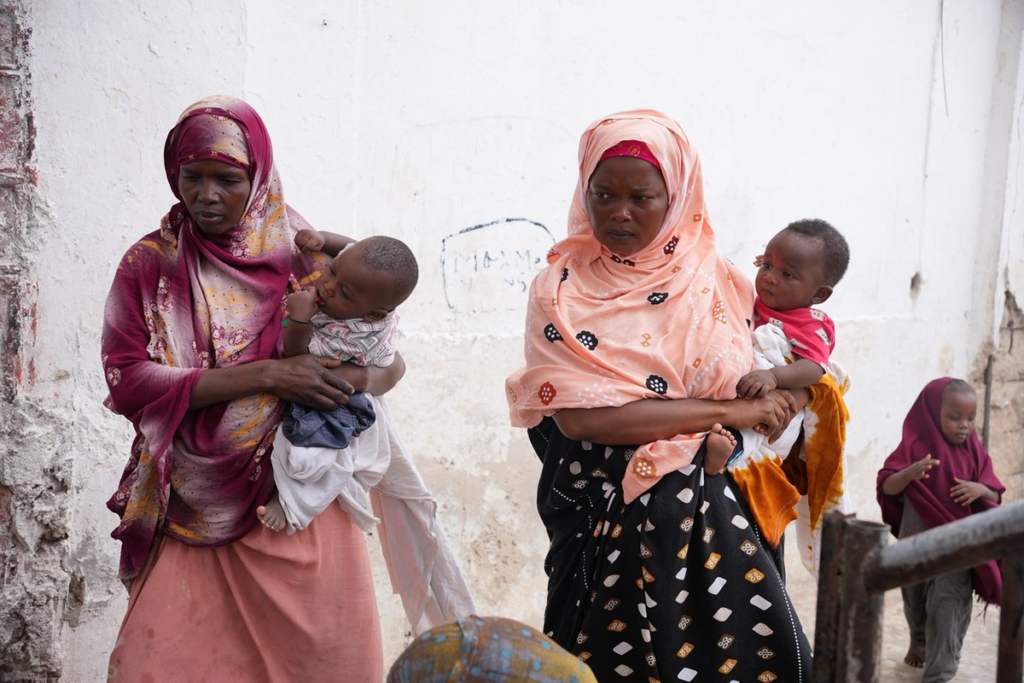
Ten simple ways, one loud truth: Deadly diseases in Somalia are strong, but Somalis are stronger.
The fight isn’t over, but for the first time in years, the diseases are running scared.