


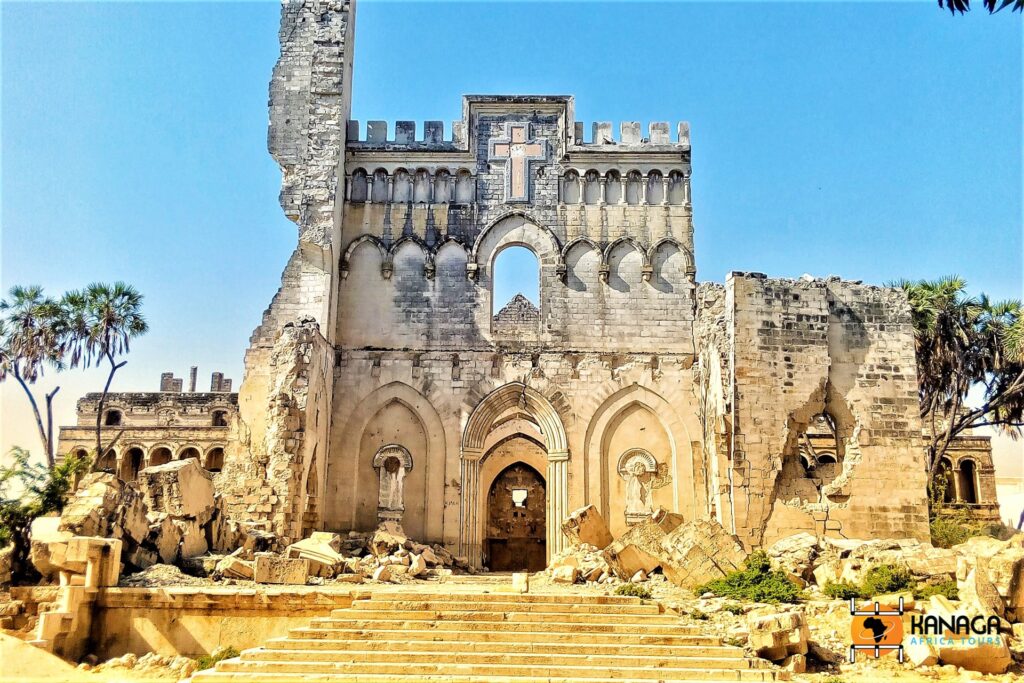
Mogadishu historic architecture stands quiet but proud, white coral houses with carved doors older than most nations, arches that dance between Arab grace and African strength. Walk the narrow streets of Hamarweyne or Shangani and you feel centuries breathing through the walls. Mogadishu historic architecture isn’t frozen in time; it’s alive, telling stories of traders, love, and survival that no war could erase.
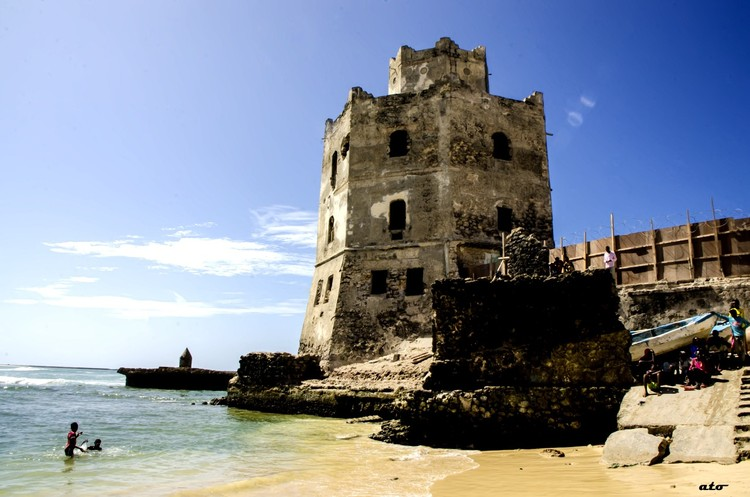
The 6 Most Beautiful Features of Mogadishu Historic Architecture
- Coral stone that drinks the sea breeze Builders cut white coral straight from the beach, shaped it into blocks, and made houses that stay cool when the sun burns 40 degrees. At sunset the walls turn pink and gold like the sky itself. Mogadishu’s Architectural Heritage learned from the ocean how to beat the heat.
- Wooden doors that hold centuries of love stories Giant tamarind doors covered in flowers, stars, and Quranic verses, some 400 years old, brought by Omani and Yemeni merchants who married Somali women. Every carving is a diary. Mogadishu’s Architectural Heritage keeps romance locked in wood.
- Arches that speak two languages at once Pointed Arab arches meet round African ones, plaster patterns twist Somali geometry into Islamic stars. You feel Zanzibar and Muscat in the same breath, but the colors are brighter, the size smaller, the soul purely Mogadishu. Mogadishu historic architecture never chose sides; it married them.
- Balconies where women watched the world safely Rich merchants built overhanging wooden balconies painted green, blue, gold so wives could see ships arrive without being seen. They hang over alleys like bird cages full of secrets. Mogadishu’s Architectural Heritage gave women windows when doors were closed.
- Hidden courtyards that feel like paradise Push open a plain door and suddenly cool shade, a well, a mango tree, stars painted on the ceiling. Arab privacy meets African family life. Kids play, elders drink tea, life happens. Mogadishu’s Architectural Heritage hides heaven behind simple walls.
- Minarets that mix styles like perfect music Arba’a Rukun mosque from 1269 has a square African base and round Arab top. Fakhruddin shows clean Swahili lines. Every minaret is a love song between continents. Mogadishu historic architecture turned stone into harmony.
Neighborhoods Where Mogadishu Historic Architecture Still Lives
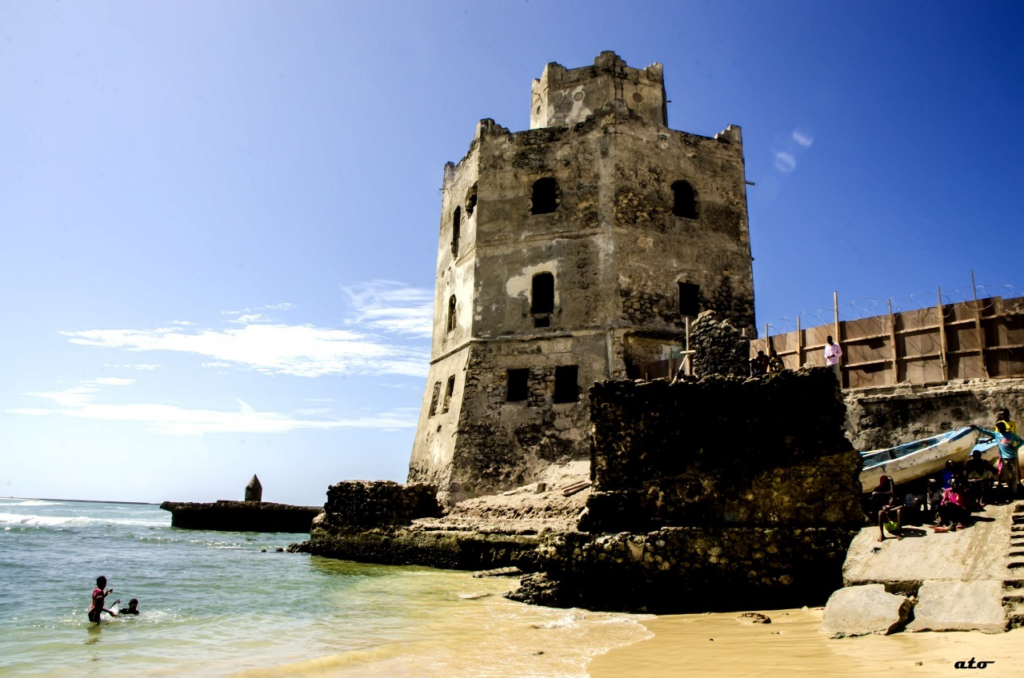
Hamarweyne at golden hour is magic. Narrow alleys twist between coral houses painted white and turquoise, laundry waving like prayer flags. Old men sip tea on carved benches, kids kick footballs against walls that saw Portuguese cannons in the 1500s. Shangani feels richer with bigger merchant palaces, Italian balconies added later, but the heart is still Somali-Arab mix. Mogadishu’s Architectural Heritage survived salt air, colonial bombs, and civil war bullets because people loved it too much to let it die.
Also Read: Hidden Somalia Travel Wave: 7 Things That Will Make You Book the Ticket Tomorrow
War Couldn’t Kill the Beauty
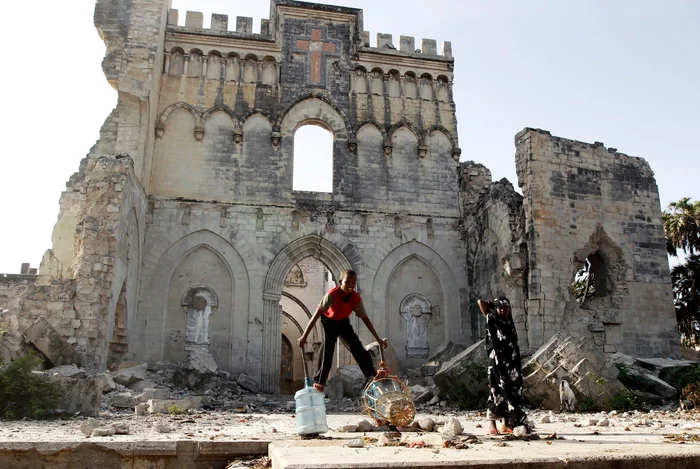
In the 1990s shells fell, doors got burned for firewood, balconies collapsed. But families came back. One old man rebuilt his grandfather’s house mixing cement in paint buckets. A woman painted her door bright blue “so war remembers color exists.” Mogadishu historic architecture rose again because love is stronger than bombs.
Young Hands Giving It New Life
Today artists paint murals on bullet holes. Girls guide tourists through hidden courtyards for $5 a tour. A café inside a 300-year-old house serves cardamom coffee under carved ceilings. Banadir Heritage group fixes one house every year with community cash. Mogadishu historic architecture isn’t a museum piece; it’s a living friend getting younger.
Why It Still Matters
These buildings are the real Somali story: we were traders before fighters, bridge-builders before wall-makers, coffee sharers before clan dividers. When a diaspora kid from London touches a 400-year-old door and feels home, that’s power. When an Italian tourist cries because the arches feel familiar but different, that’s connection. Mogadishu historic architecture proves beauty can outlive everything.
Six secrets, one truth: Mogadishu historic architecture isn’t just old houses. It’s the city’s beating heart, still mixing Arab grace with African fire, one carved door at a time.
Walk slow in Hamarweyne. Touch the coral. Listen to the wood. The city is whispering, and it’s saying welcome home.