

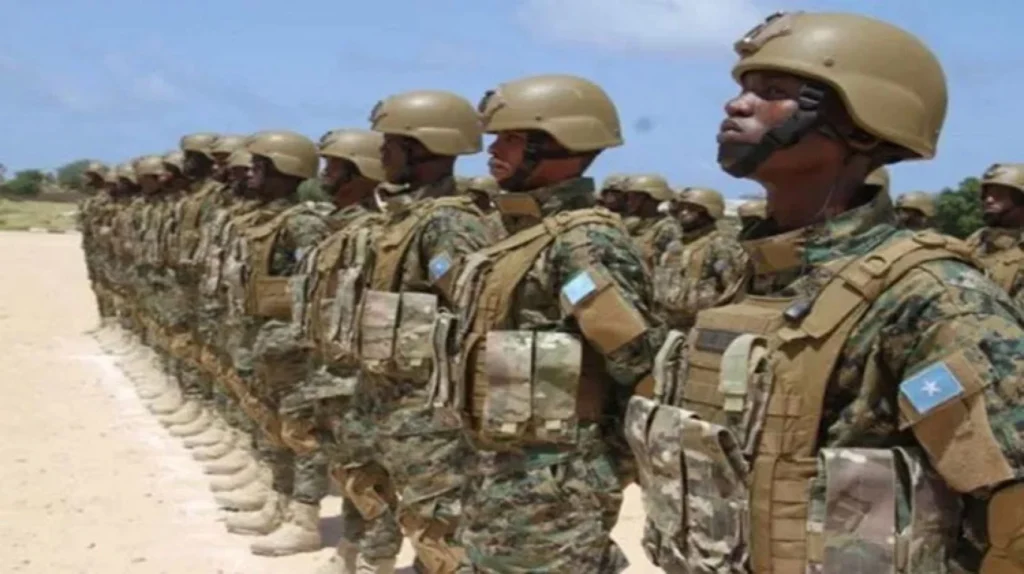
Somali army bombing foil in Mogadishu turned what could have been a bloody day into a quiet victory for regular people going about their business. Early Thursday morning, Somali National Army (SNA) intelligence spotted three al-Shabaab suspects smuggling explosives into the capital through a checkpoint near the Bakara market. The suspects, carrying bombs hidden in vegetable sacks, planned to hit a crowded tea shop during rush hour. Somali army bombing foil in Mogadishu stopped them cold, arresting the men and seizing enough explosives to level a block.
Somali Army Bombing Foil in Mogadishu: The Quick Thinking That Stopped Terror
It started at 5 a.m. when a routine patrol on the Afgooye road pulled over a beat-up Toyota pickup. The driver, a nervous guy from the south, had papers that didn’t match the cargo. Soldiers noticed the sacks smelled wrong – not like onions, more like chemicals. One quick search and they found 50 kg of homemade explosives, wires, and detonators. The suspects tried to run but got tackled in the dust. Somali army bombing foil in Mogadishu happened because a young sergeant named Abdi trusted his nose and called for backup instead of letting them pass.
By 7 a.m. the National Intelligence and Security Agency (NISA) took over, questioning the men in a secure spot near Villa Somalia. One confessed to targeting the market because it’s full of government workers and shoppers at that hour. Al-Shabaab claimed the plot on their radio, calling it a “blessed operation” that “the apostates stopped too soon.” Somali army bombing foil in Mogadishu wasn’t luck; it was training from Turkish advisors and US intel tips paying off.
The Bigger Fight Behind Somali Army Bombing Foil in Mogadishu
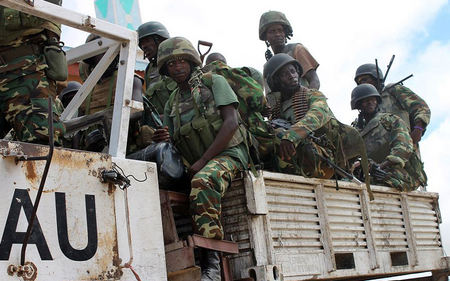
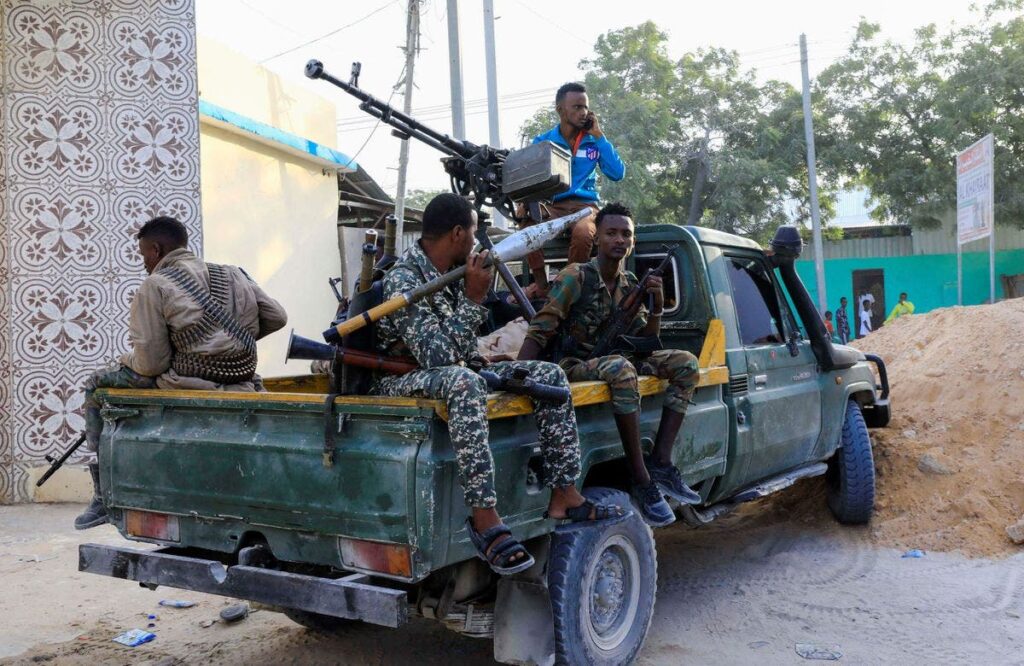
Al-Shabaab has been ramping up in Mogadishu since October, with mortar attacks on the airport and a failed prison break in early December that killed seven of their own. The group lost ground in the south but slips back into the city with suicide vests and car bombs. Last month they hit a military academy, killing 20 recruits. Somali army bombing foil in Mogadishu shows the SNA is getting better at sniffing them out, thanks to more checkpoints and drone eyes from AUSSOM forces.
Locals in Bakara were relieved but not surprised. A tea seller named Fatima said, “We hear booms every week. This time no boom is the best news.” The market stayed open, kids went to school, life went on. Somali army bombing foil in Mogadishu kept the city breathing, even if fear lingers.
President Hassan Sheikh Mohamud praised the troops on state TV, calling it “a blow to the terrorists’ morale.” Defense Minister Abdullahi Mohamed Ali added that the arrests came from “community tips and sharp eyes.” Somali army bombing foil in Mogadishu relied on neighbors whispering about strange trucks, proving the fight isn’t just soldiers versus militants – it’s everyone together.
How Somali Army Bombing Foil in Mogadishu Fits the War Picture
Somalia’s been battling al-Shabaab since 2006, with ups and downs. The group controls rural pockets but wants Mogadishu bad – it’s the capital, the symbol, the prize. Recent offensives like Operation Silent Storm pushed them back in Lower Shabelle, but they hit back with bombs. Somali army bombing foil in Mogadishu is part of a string of wins: in November they stopped a car bomb near the palace, and in October foiled a prison raid that could have freed 100 fighters.
US AFRICOM airstrikes helped too, hitting 109 targets this year, but ground work like this arrest is SNA’s own. With AUSSOM taking over from AMISOM in 2025, Somali troops are stepping up, trained by Turkey and the UAE. Somali army bombing foil in Mogadishu shows they’re ready, even if the road is long.
Read Also: Humanitarian Action for Somalia’s Children: How Will UNICEF Save the Country’s Kids from Crisis in 2026?
Voices from the Street After Somali Army Bombing Foil in Mogadishu
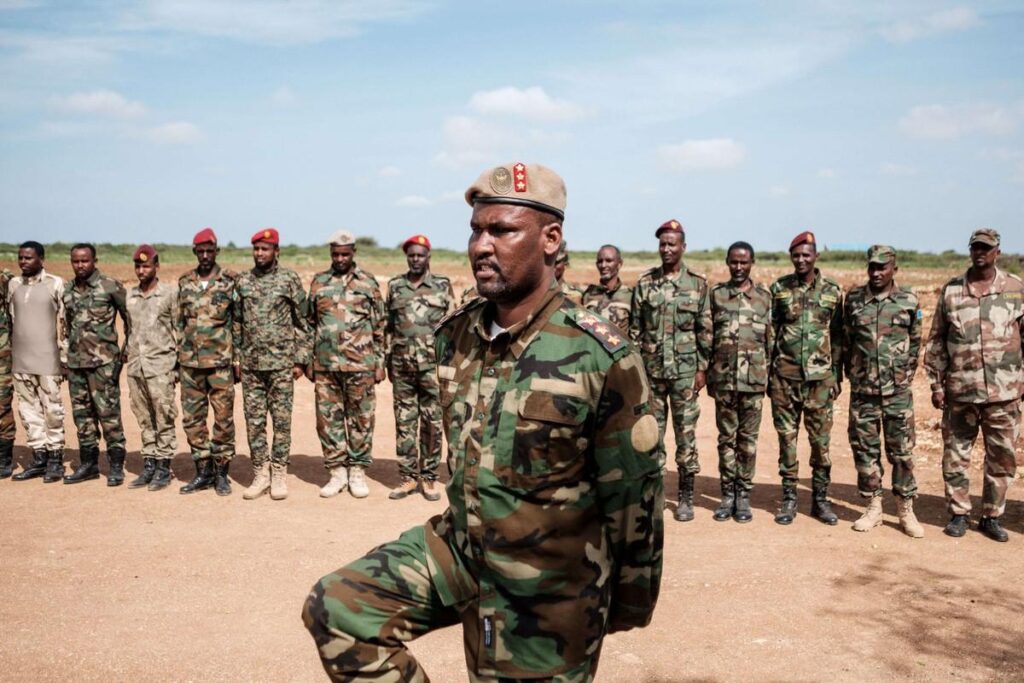
A young soldier who helped with the arrest told a local reporter, “I saw the sacks and thought of my little sister in the market. We couldn’t let it happen.” His name is Omar, 22, from a village near Jowhar. The suspects face trial soon, charged with terrorism.