


Seasonal Sickness Signs are often very similar, which makes it hard for the average person to know if they are dealing with a simple cold or the actual flu in early 2026. While both are viral infections that attack your breathing system, they are caused by different types of viruses and have very different levels of danger. A cold is usually a mild problem that affects your nose and throat, whereas the flu is much more serious and can affect your whole body, including your lungs.
This Seasonal Sickness Signs confusion happens because both can make you sneeze, cough, and feel tired, but the way the illness starts is a big clue. If your symptoms appear slowly over a few days, it is likely just a cold, but if you feel like you were “hit by a truck” all of a sudden, you probably have the flu.

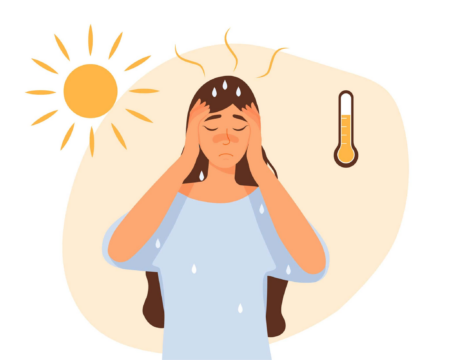
The main thing to watch for is your temperature, because a fever is one of the most reliable Seasonal Sickness Signs that points toward influenza. Most adults with a cold will not have a high fever, though children might run a small one for a day or two.
On the other hand, the flu almost always brings a high fever that lasts for several days, accompanied by chills and sweating. This Seasonal Sickness Signs difference is why doctors always ask if you have checked your temperature before they give you any advice.
Things to Help You Tell the Difference
First, you should look at how fast the illness arrived; a cold is gradual, but the flu is sudden and intense. Second, check for muscle aches, which are very common and severe with the flu but rare with a cold. Third, evaluate your level of fatigue, as the Seasonal Sickness Signs of the flu include extreme exhaustion that can last for weeks.
Fourth, pay attention to your cough; a flu cough is usually dry and hacking, while a cold cough often comes with a lot of phlegm. Fifth, notice if you have a headache, as prominent headaches are a classic sign of the flu. Sixth and finally, look at your nose; a stuffy or runny nose is actually more common with a cold than with the flu.

Managing Your Seasonal Sickness Signs at Home
If you find yourself dealing with these Seasonal Sickness Signs, the best thing you can do is get plenty of rest and drink lots of water. For a common cold, over-the-counter medicines can help you feel better, but they won’t “cure” the virus, as your body just needs time to fight it off. However, if your Seasonal Sickness Signs suggest the flu, you might want to call a doctor early to see if you need antiviral medicine. This is especially important for very young children or elderly people, as the flu can lead to serious problems like pneumonia if it isn’t managed correctly.

In conclusion, knowing your Seasonal Sickness Signs can help you decide whether you can just stay on the couch or if you need to seek medical help. While a cold is a nuisance that ruins your week, the flu is a serious infection that requires more care and attention. In 2026, with so many different viruses around, being able to tell the difference is a great skill for keeping yourself and your family healthy.
Read Also: Modern Health Paradox: 5 Reasons Behind Why We’re Still Getting Sick
Let’s hope that by paying attention to these small details, you can recover quickly and get back to your normal life. The Seasonal Sickness Signs are your body’s way of telling you what it needs, so make sure you are listening closely.