

Elective Surgery Risks is a term that medical experts are using more often lately to warn mothers about the dangers of choosing a C-section when there is no medical reason for it. In January 2026 the Egyptian Ministry of Health and several global organizations have pointed out that while this surgery saves lives in emergencies it is being used way too much for convenience. This Elective Surgery Risks problem is serious because a C-section is not just a “simple alternative” to natural birth but a major abdominal operation that can lead to long-term health issues for both the mother and the baby.
Doctors are worried that many families think it is the “easier way” but they don’t realize that it involves cutting through multiple layers of muscle and tissue which takes a long time to heal. When we look at the data we see that in some countries the rate of these surgeries has jumped to over 70% which is far higher than the 10% to 15% that the World Health Organization recommends.
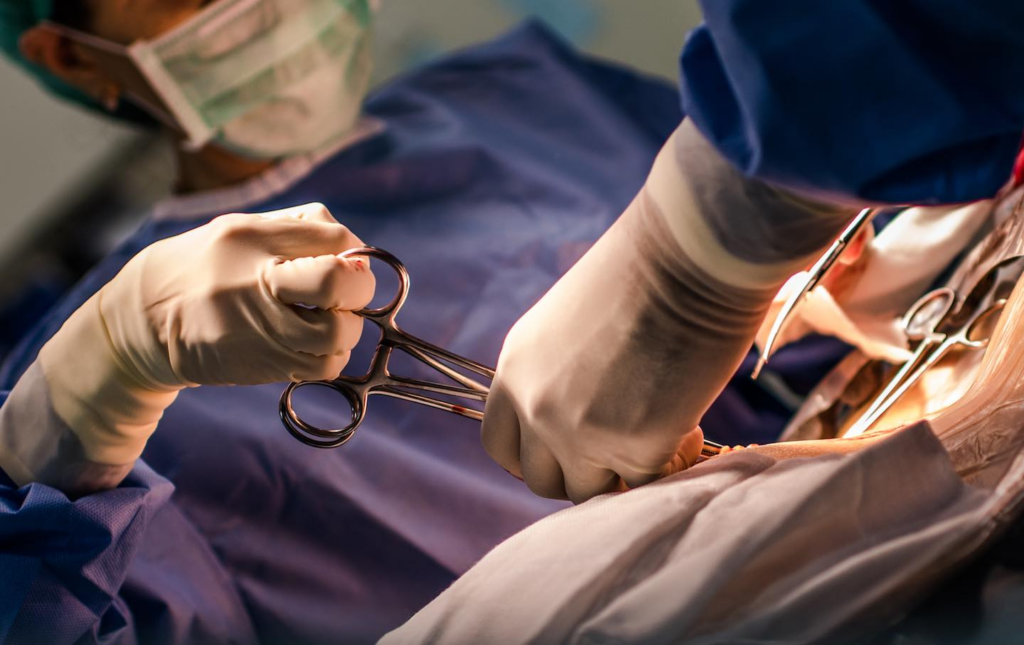
The main reason for these warnings is that the Elective Surgery Risks include things like heavy bleeding and dangerous blood clots that can travel to the lungs. For the mother a C-section means a much higher chance of getting an infection in the womb or at the site of the cut which can keep her in the hospital for a long time.
These Elective Surgery Risks also extend to future pregnancies because having one C-section creates scar tissue that can cause the placenta to grow in the wrong place or even cause the uterus to tear later on. This is why many doctors are now trying to encourage natural birth as the safest first option for healthy women who have no complications.
Things to Know About Elective Surgery Risk for the Baby
First we have to talk about the baby’s breathing because infants born by C-section are much more likely to have “wet lungs” or fast breathing right after birth. This happens because they don’t get the natural “squeeze” of a vaginal birth that helps clear the fluid out of their lungs.
Second the Elective Surgery Risks for the child include a higher chance of needing to stay in an incubator or a neonatal intensive care unit (NICU) for several days.
Third researchers have found a link between unnecessary C-sections and a higher risk of the child developing asthma or allergies later in life.
Fourth there is growing evidence that these babies might face a higher risk of obesity or even type 1 diabetes as they grow up because they missed out on the beneficial bacteria found in the birth canal.
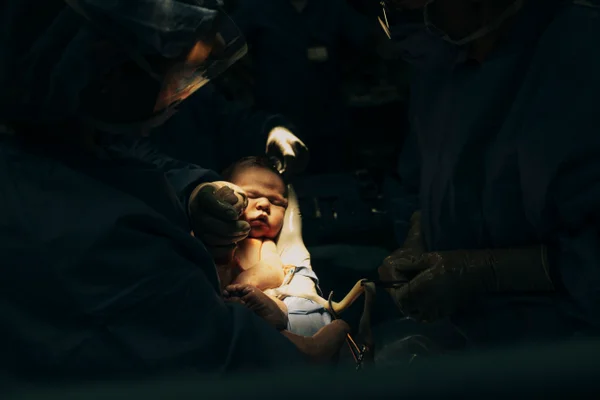
Why Doctors are Concerned About Long Term Elective Surgery Risks
Fifth we must consider the long-term impact on the mother’s fertility because multiple C-sections can lead to complications like placenta accreta where the placenta attaches too deeply to the uterine wall. This specific part of the Elective Surgery Risks can be life-threatening and might even lead to a hysterectomy which is the removal of the uterus. Sixth and finally the recovery time for a surgical birth is much longer and more painful which can interfere with the mother’s ability to bond with her baby or start breastfeeding early. By understanding these Elective Surgery Risks families can make a better choice that prioritizes the health of the mother and the child over mere convenience.
In the end the Elective Surgery Risks are real and they should not be ignored just to save a few hours of labor or to pick a specific birthday on the calendar. Modern medicine is amazing for saving lives but we should not use it to replace natural processes unless it is absolutely necessary for safety. As we move through 2026 let’s hope more people listen to the medical warnings and choose the path that is truly healthiest for the next generation. The Elective Surgery Risks are a wake-up call for all of us to respect the complexity of childbirth and the human body.
Read Also: Seasonal Sickness Signs: How to Tell the Difference Between the Flu and a Common Cold
It is always best to talk to a trusted doctor and ask “Is this surgery really needed for my health?” before making a final decision. The Elective Surgery Risks should be a major part of that conversation so that every mother feels empowered and safe during one of the most important moments of her life.