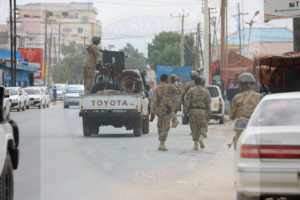

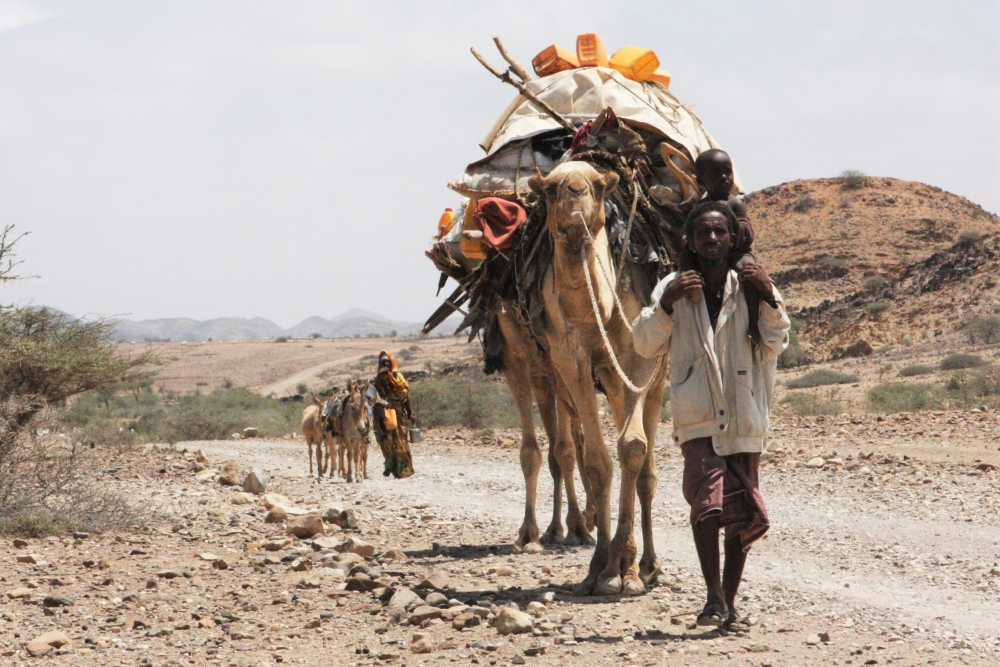
Somali Governance Shift is not the only big change happening in the Horn of Africa right now because the way people live and think is moving from the traditional tent to the modern apartment. For centuries the Somali people were known as the “Nation of Poets” who traveled with their camels and goats across the dry lands looking for green grass. But in 2026 we are seeing a massive Somali Cultural Transition where more than half of the population now lives in big cities like Mogadishu, Hargeisa, and Garowe.
This move is not just about changing a house; it is about changing a whole way of life that has existed for thousands of years. Instead of following the rains people are now following the signal of the internet and the chance for a steady job in a shop or an office. This Somali Cultural Transition is creating a new kind of Somali person who still loves their history but also loves their smartphone and their Italian-style coffee in the morning.
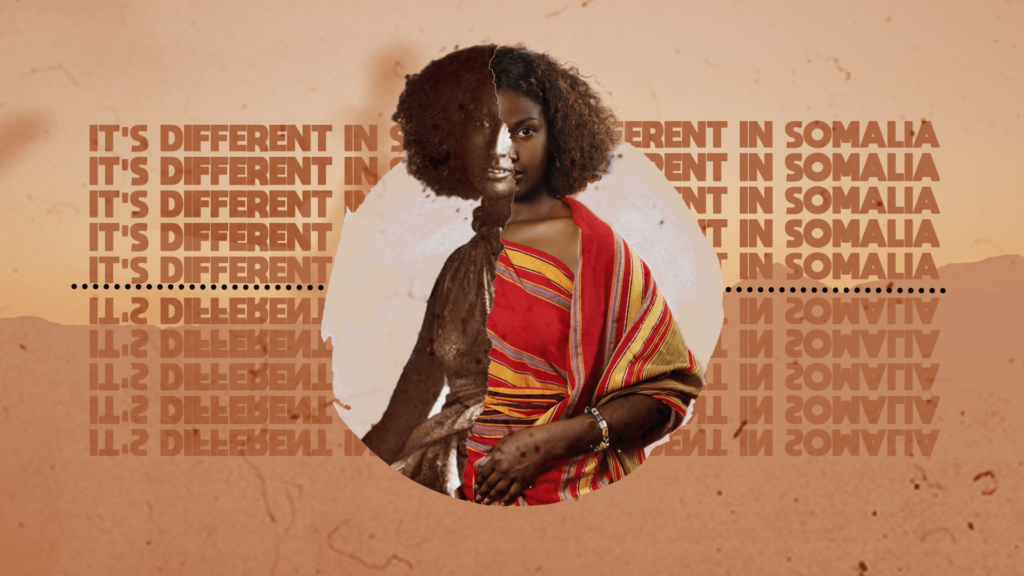
The reason for this change is partly because of the climate and the long droughts that have made it hard for the nomads to keep their animals alive. Many families have realized that the old way of living is becoming too dangerous so they move to the city margins to start over.
This Somali Cultural Transition brings many challenges because the city is a very different world from the open plains where everyone knew their neighbor. In the city you have to pay for water and electricity and you have to follow new rules that didn’t exist in the nomadic life. Even so the Somali Cultural Transition is also a time of great creativity as young people start to blend their traditional poems with modern music and digital art to tell their stories to the world.
Things to Watch in the Somali Cultural Transition
First, we see a big change in the family structure because in the nomadic life the whole extended family lived together in a group of tents. During the Somali Cultural Transition and the Somali Governance Shift, families are becoming smaller and more “nuclear,” with just parents and children living in a small flat in the city.
Second, the roles of women are changing fast as many of them start their own businesses or go to university to become doctors and lawyers. This part of the Somali Cultural Transition and the Somali Governance Shift is very important for the economy because women are now the backbone of the small business world in the markets.
Third, the language itself is changing as young people in the city start to use new words for technology that their grandfathers in the countryside wouldn’t understand. This linguistic evolution is a key byproduct of the Somali Cultural Transition and the Somali Governance Shift.
The Role of Technology in the Somali Cultural Transition
Fourth, the way people use money has completely shifted due to mobile banking, which is now used by almost everyone in the city. The Somali Cultural Transition and the Somali Governance Shift mean that even a person selling milk on the street corner expects you to pay with your phone instead of with paper cash.
Fifth, we are seeing a “Renaissance” in Somali fashion where the traditional Macawis and Dirac are being mixed with Western styles for a look that is both modern and local. This is a very visible sign of the Somali Cultural Transition and the Somali Governance Shift that you can see at any wedding or graduation ceremony in Mogadishu.
Sixth and finally, the way people spend their free time is now focused on cafes, gyms, and football stadiums, which is a huge shift from the old days of sitting under a tree to tell stories. This Somali Cultural Transition and the accompanying Somali Governance Shift show that the people are ready to be part of the global culture while still keeping their unique spirit.
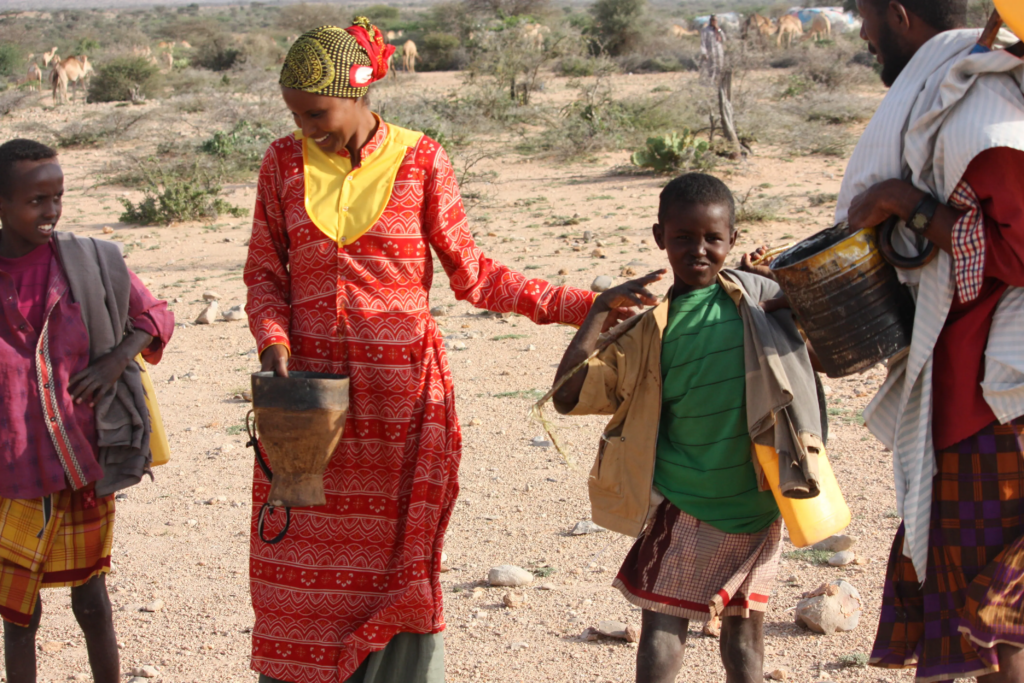
In the end, the Somali Cultural Transition and the Somali Governance Shift represent a journey that is still happening every single day in 2026. It is a bit sad to see the old nomadic life fading away, but it is also exciting to see a new and modern Somalia rising from the dust.
The Somali Cultural Transition and the Somali Governance Shift are about making sure that the values of hospitality and bravery stay alive even when the tent is replaced by a concrete wall. As long as the people remember where they came from, they will be able to handle whatever the future brings in this new urban world shaped by the Somali Cultural Transition and the Somali Governance Shift.
Read Also: The Essence of Somali Cultural Joy Within Every National and Religious Festival
The balance between the old and the new stays strong so that the Somali identity remains as beautiful as it has always been. The Somali Cultural Transition is a story of survival and adaptation that should make everyone in the country very proud.