

New Maritime Laws have become the most important topic for the people of Mogadishu this week after the government officially approved a set of rules to organize how ships move in our oceans. The Minister of Ports announced that every vessel operating in our territory must now follow a unified registration system to make sure they are not doing anything illegal. This New Maritime Policies move is designed to stop foreign ships from coming into our waters without permission to take our fish or dump waste that hurts our environment. For many years it was hard to keep track of who was using the Somali name on the sea but these New Maritime Policies will fix that by making the registration process very strict and clear. Now if a ship wants to fly the Somali flag it has to meet high safety standards and prove that it is following international rules. This is a big step for our “Blue Economy” because it means we are finally taking control of the 3300 kilometers of coastline that belong to us.
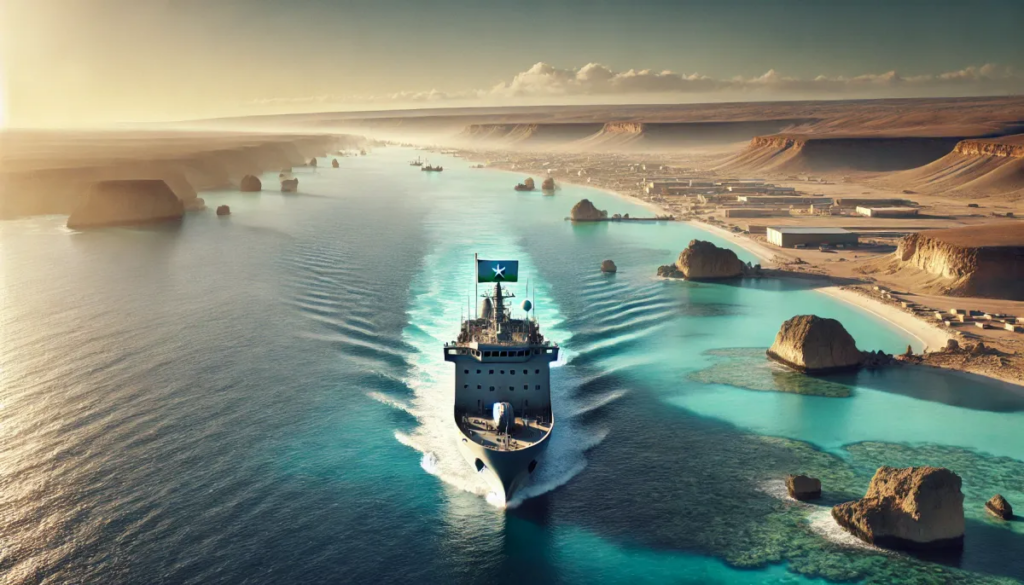
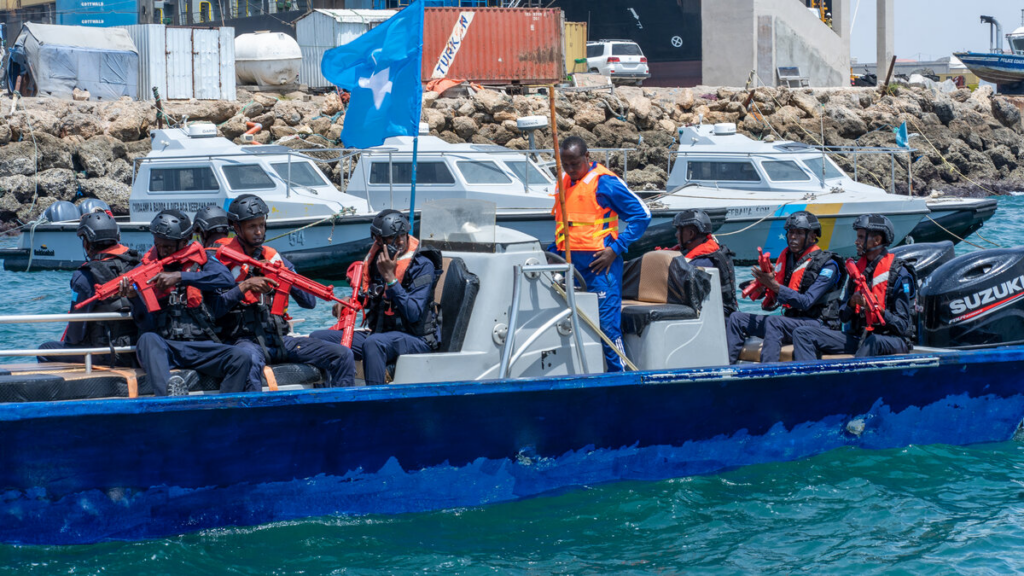
The reason why these New Maritime Policies are so special is that they help rebuild the trust that the world has in our ports and our maritime administration. In the past some bad actors used our flag to hide their illegal activities but the New Maritime Policies will put an end to that by using better monitoring and digital tracking. The government is also working with partners like Turkey to train our navy so they can enforce these New Maritime Policies effectively from the Gulf of Aden down to the Indian Ocean. When the world sees that we are serious about the New Maritime Policies it will encourage big shipping companies to bring their business to our ports which will create thousands of new jobs for our youth. It is not just about writing papers; it is about showing that the Somali state is strong enough to guard its own wealth and its own honor on the global stage.
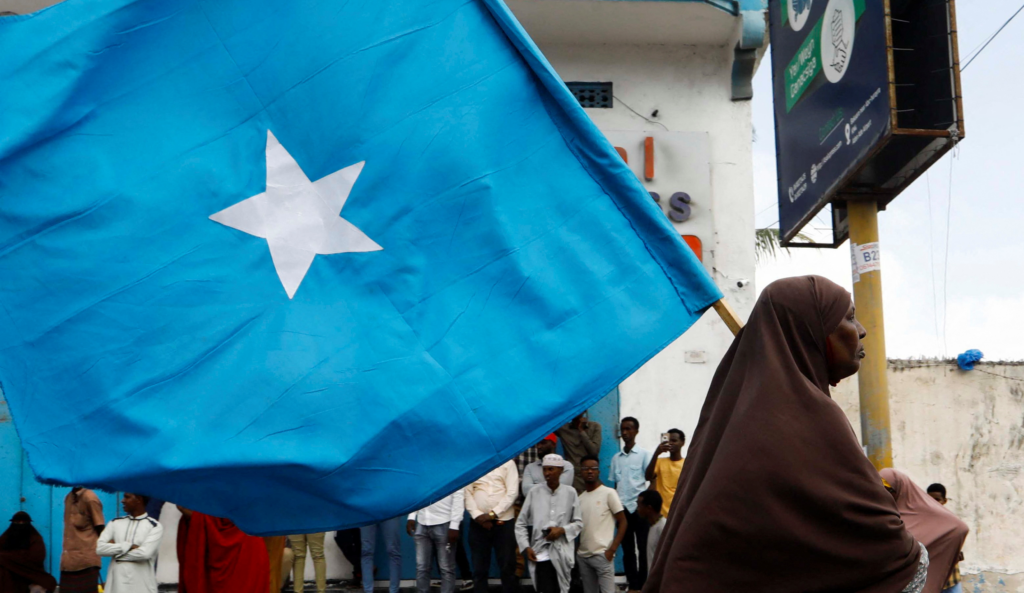
Ways the New Maritime Policies Will Change Our Future
First the New Maritime Policies will require all foreign-flagged ships to undergo regular inspections when they enter our ports to make sure they are safe for the crew. Second we will see more money coming into the national budget because the New Maritime Policies establish a fair and transparent system for collecting maritime fees and taxes. Third the New Maritime Laws include a special agreement with other Indian Ocean countries to share information about suspicious vessels in real-time.
Fourth these New Maritime Laws will help our local fishermen by creating “exclusion zones” where large industrial ships are not allowed to go which saves the fish for our own people. Fifth the New Maritime Policies make it mandatory for every ship to have insurance so that if there is an oil spill the company has to pay for the cleanup instead of the Somali people. Sixth and finally the New Maritime Laws are the foundation for new port projects that are starting which will connect our markets to the rest of the world much faster than before.
Why Every Citizen Should Care About the New Maritime Laws
You might think that the New Maritime Laws are only for sailors or government officials but they actually affect the price of everything we buy in the market. When the sea is safe and the rules are clear the cost of bringing goods like rice and clothes into the country goes down because the ships don’t have to pay for extra security. These New Maritime Laws are like a shield that protects our economy from the outside world while also opening doors for new opportunities. We should be proud that our flag is becoming a symbol of quality and lawfulness again thanks to these New Maritime Laws that the cabinet has worked so hard to pass.
Read Also: EU Security Commitment: How it can support Somalia’s stability as border control shifts
The New Maritime Laws are a sign that the era of chaos on our seas is finishing and a new era of organization is beginning. It will take some time for everyone to adapt to the new system but the long-term benefits for the nation are too big to ignore. The New Maritime Laws are our path to becoming a maritime power in Africa once again and we all have a role to play in making sure they are respected.