



Meta VR Loss is a term that makes every investor on Wall Street jump in their seat whenever the company releases its quarterly financial reports. Since the big rebranding from Facebook to Meta, the company has spent a mountain of cash trying to make virtual reality the next big thing for everyone. According to the latest data from the end of 2025, the division called Reality Labs lost over $19 billion in a single year, which is a huge amount even for a giant like Meta. This Meta VR Loss happened because building high-tech headsets and creating a whole digital world from scratch is much more expensive than anyone first thought. While the company still makes billions from ads on Instagram and Facebook, the Meta VR Loss is like a giant hole that swallows a large chunk of those profits every few months. Many people are asking if it is worth it to keep pouring money into a project that very few people are actually using in their daily lives.
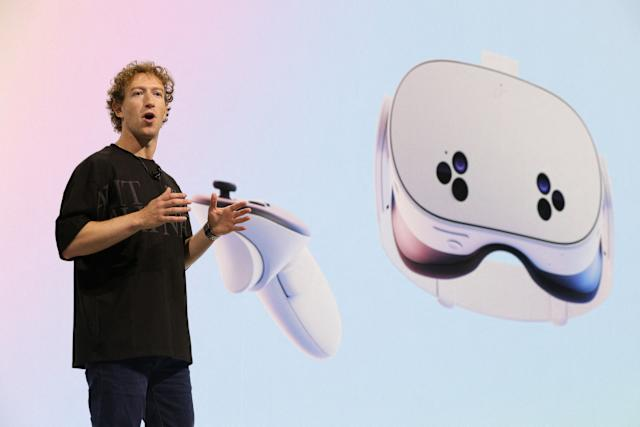
The main reason why the Meta VR Loss continues to grow is that Mark Zuckerberg believes this is the future of how humans will talk to each other. He thinks that one day we will all wear glasses that let us see digital things in the real world, and he wants Meta to own the software that runs those glasses. But for now, the Meta VR Loss shows that the hardware is still too heavy and the apps are still too simple for most people to buy a headset. Even with the new Quest 3 and the high-end Pro models, the Meta VR Loss is increasing because the company has to sell the devices at a low price just to get people to try them. This means for every headset someone buys, Meta is actually losing money on the deal, hoping they will make it back later through games and virtual shops. It is a very risky game of chicken with the stock market that has been going on for years.
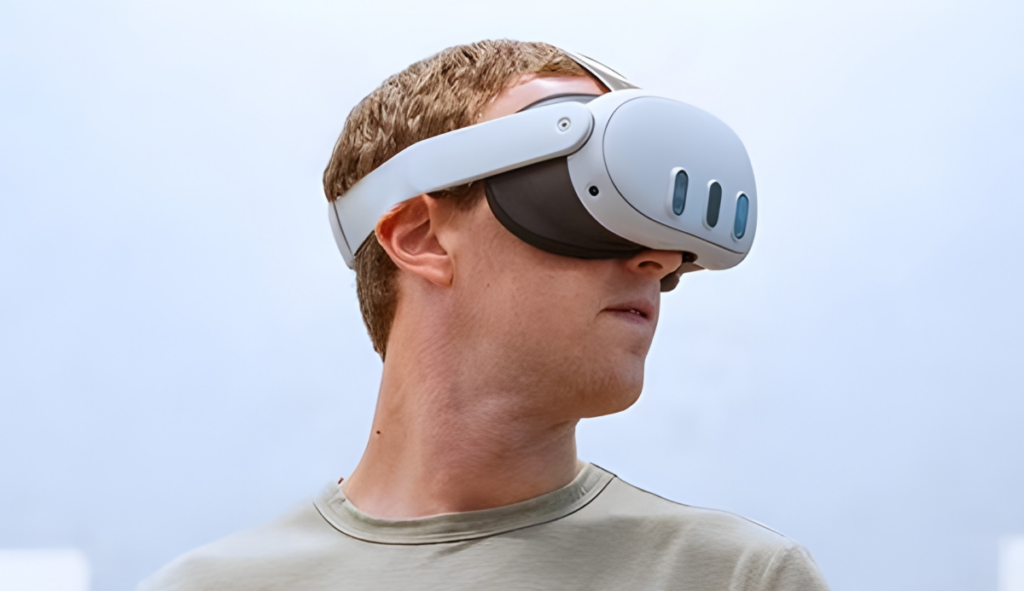
Reasons for the Massive Meta VR Loss in Recent Years
First, the Meta VR Loss is driven by the thousands of top-tier engineers and scientists that the company hired from places like NASA and Apple to solve hard physics problems. Second, the cost of the computer chips needed for the headsets has gone up, which adds more weight to the Meta VR Loss every time a new model is manufactured. Third, the company is spending millions on “Horizon Worlds” to make it look better, but the Meta VR Loss keeps rising as the user numbers stay lower than expected.
Fourth, the Meta VR Loss includes the money spent on buying small VR game studios that haven’t produced a “killer app” yet that everyone wants to play. Fifth, competition from Apple and their Vision Pro headset has forced Meta to spend more on marketing to keep their spot as the leader of the market, further increasing the Meta VR Loss. Sixth and finally, the Meta VR Loss is a result of a long-term bet that might take ten or twenty years to pay off, and most investors don’t have that much patience when billions are on the line.
Shifting Focus to Lower the Meta VR Loss
Lately, we have seen that the company is trying to talk more about Artificial Intelligence instead of just the metaverse to make the Meta VR Loss feel less painful for shareholders. By showing that they can use AI to make better ads, they can hide the fact that the Meta VR Loss is still a massive drain on the company’s total income. However, the total cumulative loss for the VR division since 2020 has now passed the $80 billion mark, which is more than the value of many big famous companies. It remains to be seen if the Meta VR Loss will ever turn into a profit or if it will be remembered as one of the most expensive mistakes in the history of Silicon Valley.
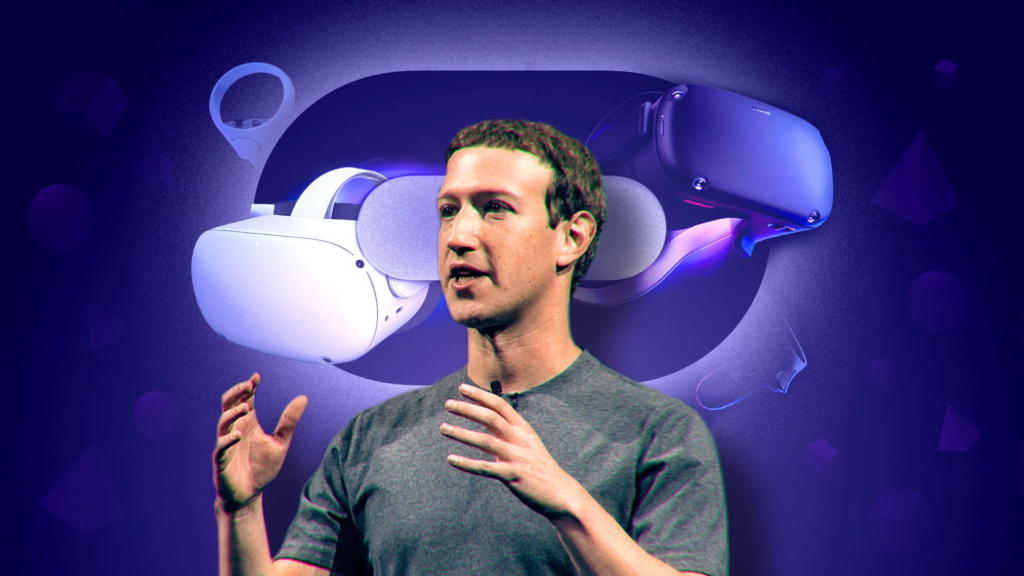
In the end, the Meta VR Loss is the price Zuckerberg is willing to pay to be the king of the next version of the internet. Whether he is a genius who sees the future or a leader who is stuck on a bad idea is a question that only time will answer.
Read Also: TikTok Ban Fear: Could It Push Millions of Americans Toward New Social Media Apps?
The Meta VR Loss is a story about big dreams and even bigger piles of cash being burned in the hope of a digital revolution.