

Somali Oral Poetry is the heartbeat of the culture because for hundreds of years it was the only way people could write down their lives without using a pen or paper. In a land where people moved with their camels and goats the spoken word was the most portable and powerful tool they owned. This Somali Oral Poetry is not just for entertainment during weddings or festivals but it acts like a giant library that stores the laws the wars and the family trees of every tribe. When you sit with an elder in the countryside and listen to them recite a long poem you are actually listening to a history book that has been memorized perfectly. This Oral Poetry uses a very special system of alliteration where every line in a section must start with the same letter which makes it sound like music to the ears. Even today when we have many books and the internet the Oral Poetry remains the most respected way to settle a big argument or to praise a great leader because the words carry a weight that a simple speech never could.
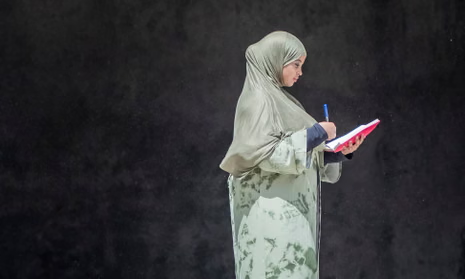
The reason why we call it the “Diwan” or the register of the people is that every major event in our history has a poem attached to it. This Oral Poetry was used by the Dervish movement to fight against the colonial powers and it was used by the poets in the 1960s to celebrate the birth of the new republic. When a poet stands up to speak the whole crowd goes silent because they know that Somali Oral Poetry can start a peace treaty or even start a war depending on how the words are chosen. It is a very democratic thing because anyone who has the talent to put words together in the right rhythm can become a famous voice in the community. This Oral Poetry is the mirror that reflects our joys our pains and our dreams for the future and that is why it will never die as long as the Somali language is spoken.
Ways Somali Oral Poetry Shapes Everyday Life
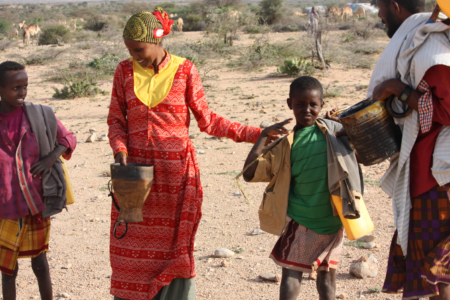
First the Oral Poetry is used to teach children about their morals and how to behave with their elders through short and funny verses. Second it serves as a news network where people in different regions learn about what is happening far away through poems that travel from one mouth to another. Third the Somali Oral Poetry is a key part of our nomadic life where songs called “Heello” or “Gabay” are sung to the camels to make them walk faster or to the cows during milking.
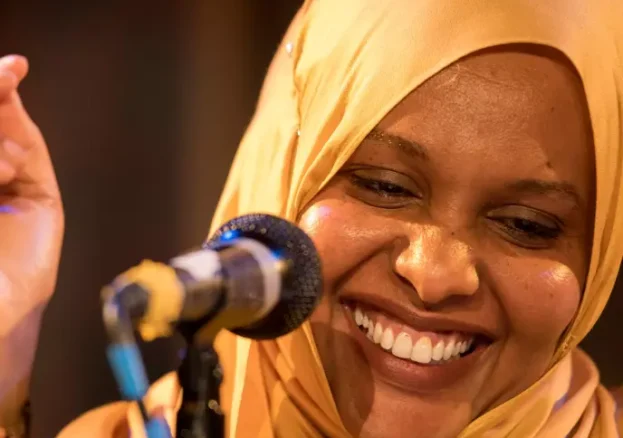
Fourth this Somali Oral Poetry helps to keep the language pure and strong because the poets use the most beautiful and old words that regular people might forget. Fifth we use Somali Oral Poetry to express love and romance in a very shy and respectful way which is a big part of our social tradition. Sixth and finally the Oral Poetry is the bridge that connects the Somalis living in cities like London or Minneapolis back to their roots in the red soil of the Horn of Africa.
The Survival of Somali Oral Poetry in the Modern World
Some people might worry that the youth will forget this art because of TikTok and YouTube but actually the opposite is happening right now. Young poets are using the Oral Poetry style to make new songs and digital videos that reach millions of people online. This proves that the Somali Oral Poetry is flexible and can survive any change in technology because the hunger for good stories is always there. Whether it is a classical “Gabay” about a peace meeting or a modern “Geeraar” about the beauty of the land the soul of the nation is always found in its verses. The Somali Oral Poetry is our greatest treasure and we must keep telling these stories so that the next generation knows exactly who they are and where they came from.
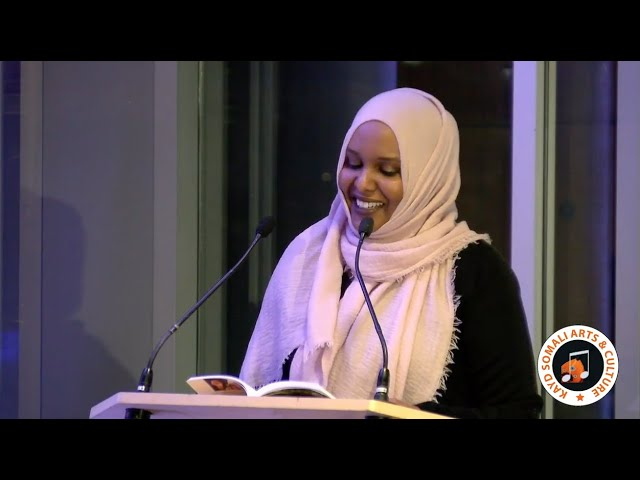
Read Also: Somali Social Bond: How does it stay strong despite distance and urban change?
We can see that without our poems we would be a people without a memory. The Somali Oral Poetry is the light that guides us through the dark times and the music that makes the good times even better. It is the most honest record of our journey through time and it will always be the crown of our culture.