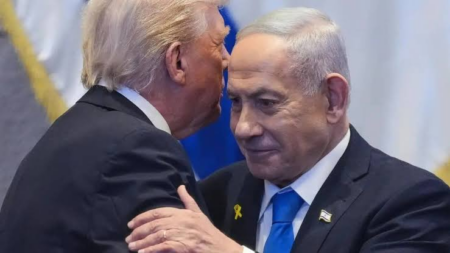


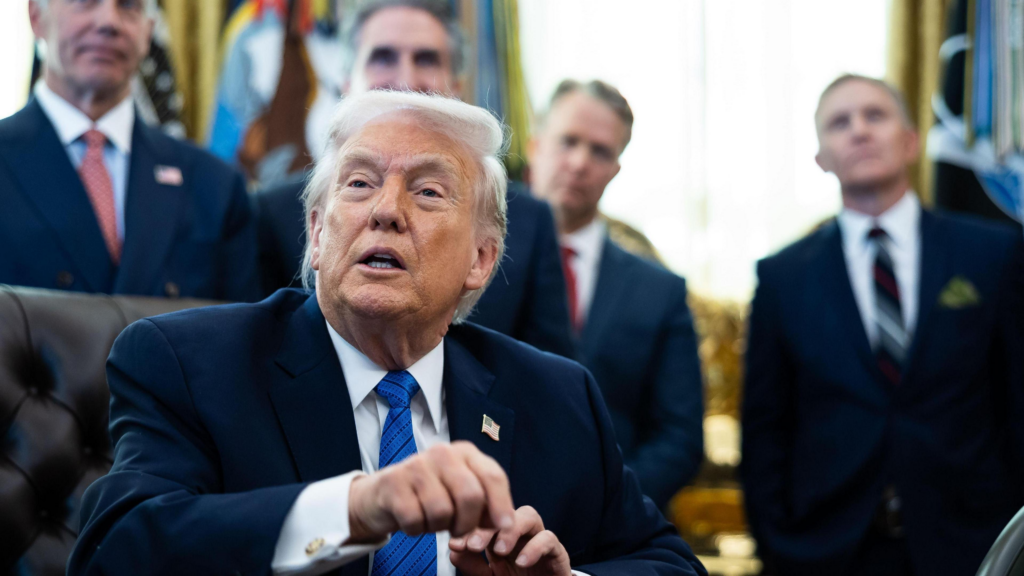
White House Denial was the main focus of a tense press briefing on Thursday, February 5, 2026, as Press Secretary Karoline Leavitt addressed rumors about federal agents being stationed at voting locations. The questions came after former White House strategist Steve Bannon suggested on his podcast that immigration officers should “surround the polls” this November to prevent what he calls illegal voting. Despite these loud claims from outside the administration, the official White House Rejection stated that President Donald Trump has not had any formal discussions about using Immigration and Customs Enforcement (ICE) to monitor people as they cast their ballots. Many voters were worried that seeing armed agents near their local schools or community centers would make them feel scared to go out and vote. While Leavitt said she had never heard the president consider such a plan, she also mentioned she “can’t guarantee” that an agent wouldn’t be near a polling site for other reasons, which led to even more questions from reporters.
This White House Rejection is an attempt to calm the public, but the debate over election security and immigration is still a very hot topic that is dividing the country right now.
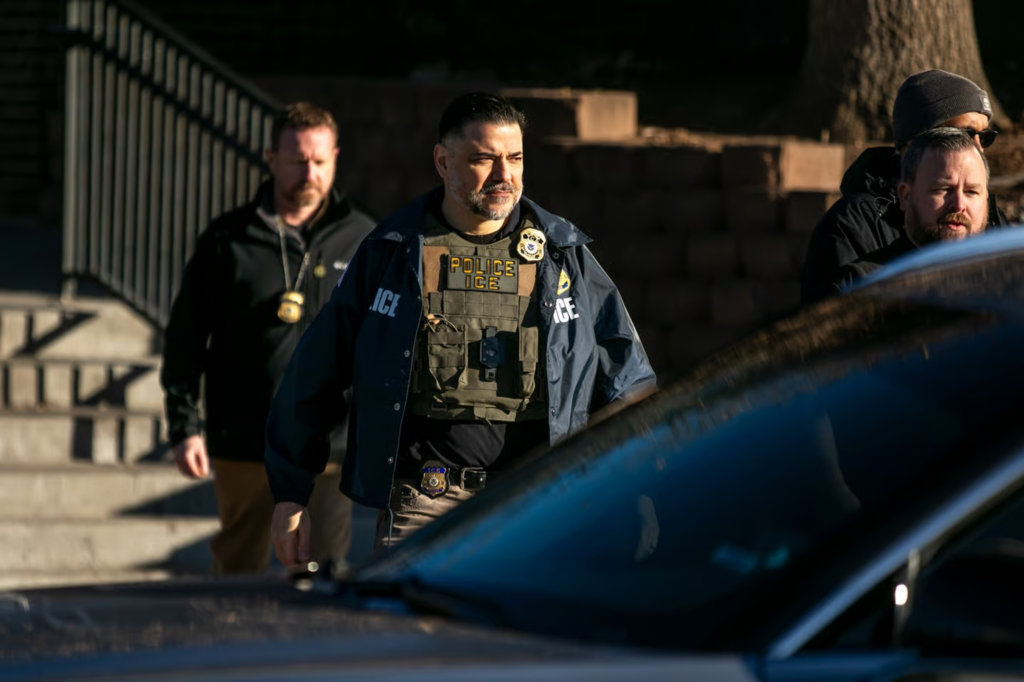
The reason why this White House Rejection is getting so much attention is because federal law is actually very strict about having “troops or armed men” at any place where an election is being held. This White House Rejection comes at a time when the administration is already facing a lot of pressure over its immigration crackdowns in cities like Minneapolis and Los Angeles.
Critics of the president say that even talking about an White House Rejection is not enough and they want a clear promise that no federal force will be used to interfere with the democratic process. On the other side, some of the president’s supporters think that a White House Rejection might be too soft and they want to see more “election integrity” measures taken before the midterms.
The White House Rejection is basically trying to walk a very thin line between keeping the law and keeping the promises made to the voters who want a “law and order” approach to every part of American life. It is a very complicated situation because even the suggestion of agents at the polls can change how people feel about their safety when they go to exercise their right to vote.
Key Facts About the White House Denial and Election Laws
First the White House Rejection highlights that federal agents are legally barred from interfering with a citizen’s right to vote under current United States statutes. Second according to the White House Rejection briefing there are currently no executive orders being drafted that would authorize ICE officers to act as poll watchers.
Third the White House Rejection follows several court rulings that have already limited the president’s power to deploy federalized National Guard troops into local cities without permission from the governors.
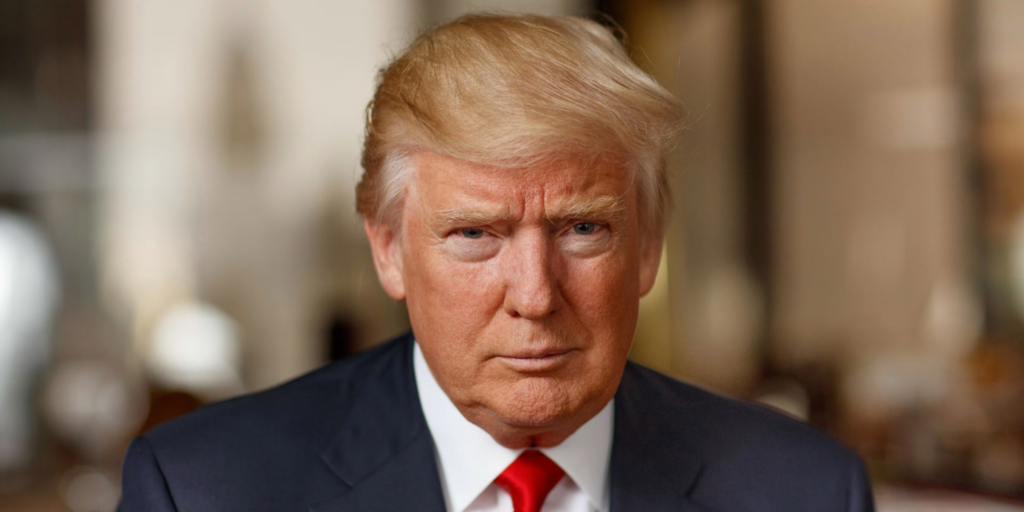
Fourth despite the White House Denial many civil rights groups are still setting up hotlines to help voters who might feel intimidated by any federal presence on election day. Fifth the White House Denial mentions that the Department of Justice is still looking at ways to ensure “voter rolls” are accurate without using armed agents to check people’s IDs at the door.
Sixth and finally the White House Denial is being watched closely by international observers who want to make sure the 2026 midterms are as free and fair as possible in a very divided political climate.
The Impact of the White House Denial on the 2026 Midterms
If the White House Denial turns out to be true it will mean that the elections will proceed like they always have with local volunteers and police handling the security at each site. This White House Denial is important because it sets the tone for how the government will behave during a very stressful time for the nation.
We have seen a lot of protests lately over immigration issues and the White House Denial is a way to tell everyone that the polling place is a neutral zone where politics should stay outside the door.
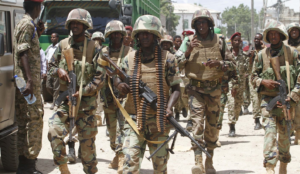
Read Also: Baidoa Security Crisis Remains Tense as Military Forces Clash Over Political Control in Southwest State
The White House Denial is about more than just one meeting; it is about the trust between the people and their government. We have to wait and see if any formal policies change in the next few months as we get closer to November. For now the White House Denial stands as the official word from the administration and it is up to the voters to stay informed and know their rights before they head to the ballot box.