


Oil tanker costs are currently exploding across the world’s oceans as we face a massive crisis in the Middle East. Following the recent military strikes and the targeting of vessels near the Strait of Hormuz, the maritime industry has been thrown into total chaos.
Hiring a supertanker to move crude from the Gulf to Asia has seen its price more than double in just a few days, with some rates hitting over $400,000 per day. This oil tanker costs surge is a direct result of ship owners being terrified to send their vessels into a zone where missiles and drones are becoming a daily threat. For the average person, this means that the price of gasoline and heating could start to climb very soon because the journey to get oil to your country is becoming incredibly expensive.
Read Also: Drone swarm attack: how the US used Iran’s tactics back
The Death of Cheap Insurance in High-Risk Waters
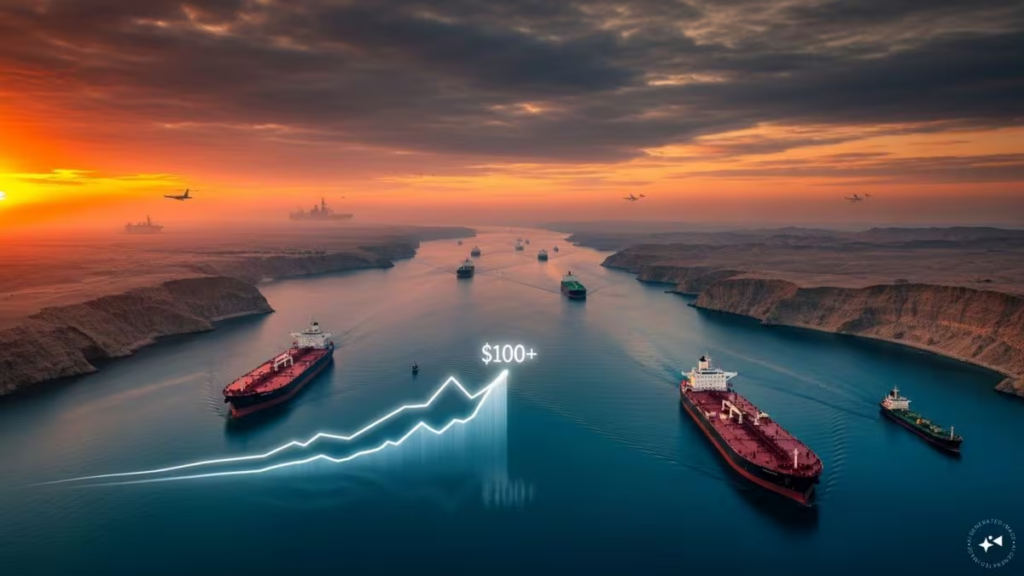
One of the biggest drivers behind the oil tanker costs spike is the sudden collapse of regular maritime insurance. Most big insurance companies have officially canceled their “war risk” coverage for any ship trying to pass through the Strait of Hormuz. When an insurer says they won’t cover a $100 million ship, the owner has to pay a massive extra fee called an “additional premium” just to make one trip. These premiums have jumped by 50% to 100% in less than 48 hours. Because of this, oil tanker costs are being pushed to record highs as companies try to cover their potential losses if a ship is damaged or seized. It has become a gamble that many shipping firms are simply not willing to take without a huge payday.
Read Also: Anthropic Pentagon clash and security concerns
150 Ships Stranded as Traffic Grinds to a Halt
The physical reality on the water is even more shocking than the numbers on a screen. As of today, more than 150 tankers are currently anchored outside the Gulf, refusing to enter the narrow waterway. This massive traffic jam is contributing to the oil tanker costs increase because the supply of available ships is shrinking fast.
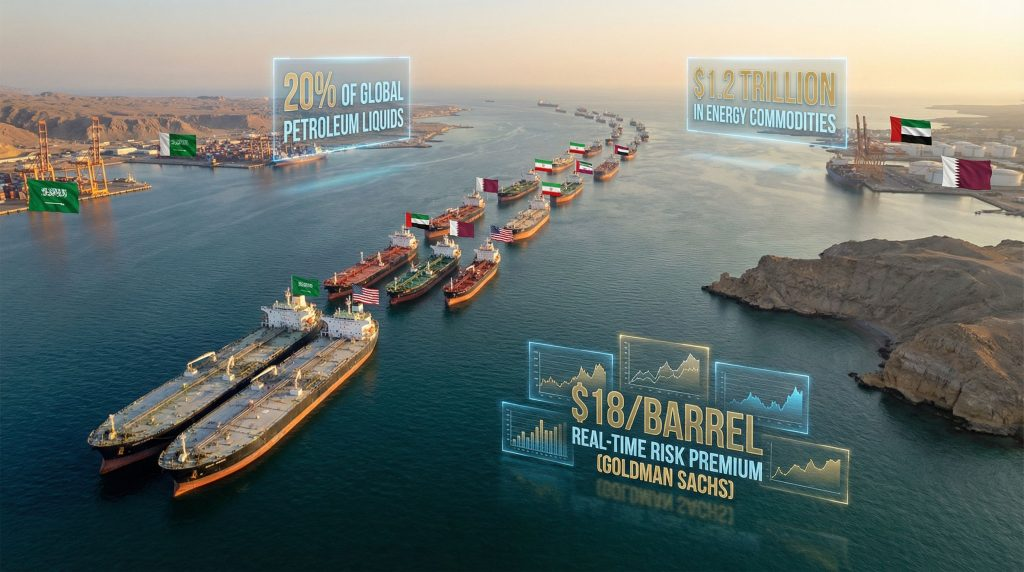
When 20% of the world’s oil and gas is stuck behind a “digital wall” of warnings and threats, the rest of the world has to compete for the few ships that are left in safe waters. Analysts from places like Goldman Sachs are warning that if this oil tanker costs trend continues, we could see oil prices easily break past $100 per barrel before the end of the month.
The Ripple Effect on Global Inflation
It is not just about oil; the oil tanker costs crisis is also hitting the natural gas market very hard. Qatar, which is a major supplier of LNG to Europe and Asia, has had to pause some of its shipments because of the danger.
This has caused gas prices in Europe to jump by nearly 30% in a single day. When oil tanker costs go up for energy, they eventually go up for everything else, from plastic toys to the food in your grocery store, because ships carry it all. The world is watching the situation in the Strait of Hormuz with great fear, hoping for a de-escalation that allows the sea lanes to open back up before the global economy takes a permanent hit.
Read Also: New Trump tariffs boost China and Brazil trade advantage
Re-routing Around the Cape of Good Hope
Some shipping companies are so worried about the oil tanker costs and the physical danger that they are choosing to avoid the Middle East entirely. They are sending their tankers the long way around Africa, past the Cape of Good Hope.
While this is safer, it adds thousands of miles and weeks of extra travel time to every journey. This extra time means more fuel is burned and more wages are paid, which naturally keeps the oil tanker costs at these painful levels. It is a choice between a dangerous shortcut or a safe but very expensive detour, and right now, there are no cheap options left on the table for the world’s energy traders.