



Modern war upgrade is the phrase everyone is talking about after the massive events that took place in Iran over the last few days. It seems like the US military is no longer just relying on traditional maps and human spies to make their big moves. Instead, they are using advanced computer systems to sort through millions of pieces of data in just a few seconds.
This modern war Transformation allowed the military to pick out very specific targets and run thousands of simulations before they even launched a single missile. People are shocked at how fast things moved, and it shows that the way we think about battle is changing forever because of these new digital brains. In March 2026, the world is seeing a conflict where the machines are doing a lot of the heavy thinking for the commanders on the ground.

Read Also: Fake face study: can we still tell what’s real?
The Secret Systems Behind the Recent Strikes
When you look at the details of “Operation Epic Fury,” it is clear that a modern war Transformation was at the heart of the planning. Reports say that the Pentagon used tools like the Claude AI from a company called Anthropic to help find the best places to strike.
Even though there was a big political fight about using this specific software, the military kept it running because it was so good at “collapsing the time” needed for a decision. This modern war Transformation meant that instead of waiting for days to get approval, a strike could be ready in just minutes or seconds. It is a bit scary to think about how fast things can escalate when you have a computer telling you exactly where the enemy is hiding at all times.
Target Identification and Predictive Modeling
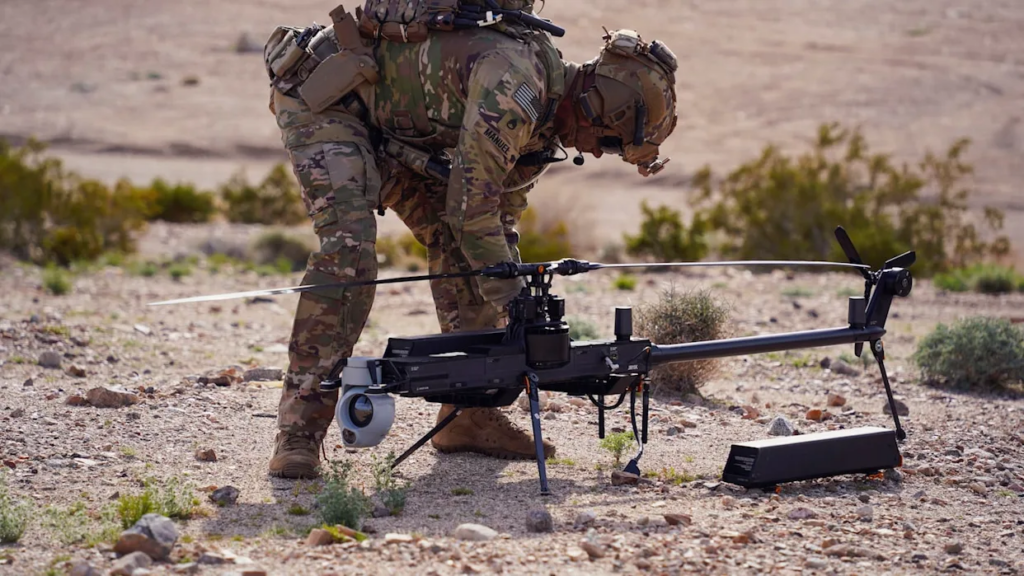
One of the most intense parts of this modern war upgrade is how the computers can predict where a leader might be before he even arrives there. By looking at phone signals, satellite pictures, and old patterns, the systems create a “live map” of the battlefield. The modern war Transformation also helps in choosing which weapon to use so that there is less damage to the buildings around the target. This level of precision is something we have never seen at this scale before.
It makes the old way of fighting look very slow and disorganized. However, some experts worry that this modern war upgrade might make it too easy for leaders to start a war because they feel like they have a “perfect” tool that won’t make mistakes.
Read Also: Salawat App Breach: Can Hackers Aid Iran Protests?
Political Friction Over Private AI Tech
There is a lot of drama in Washington right now because of this modern war upgrade and who gets to control it. President Trump reportedly banned Anthropic just hours before the strikes, but the military used it anyway because it was already “embedded” in their systems. This shows that a modern war upgrade is not something you can just turn off with a single switch.
Now, companies like OpenAI and xAI are rushing in to sign new deals with the Department of Defense. This battle between the tech companies and the government is a huge part of the modern war upgrade story. Everyone wants to be the one providing the brain for the next generation of military hardware, but it raises big questions about who is really in charge.
The Speed of Thought in the Kill Chain
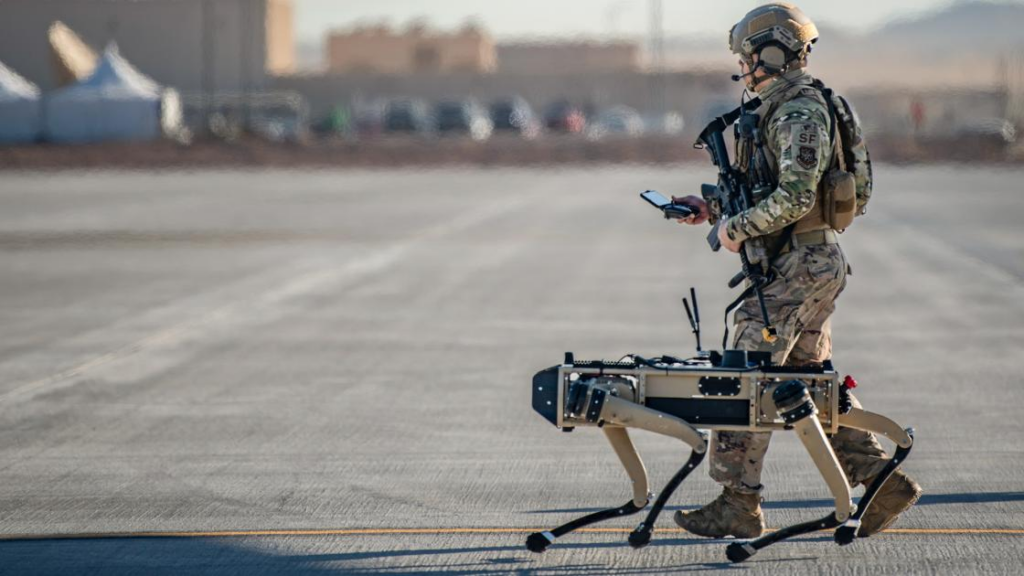
Military experts are calling this the era of “decision compression” thanks to the modern war upgrade that has taken over the command centers.
Read Also: Iran Internet Blackout: Offline Communication Methods
In the past, a general had to talk to many people before a bomb was dropped, but now the modern war upgrade does the “legal and tactical” check almost instantly. This means the “kill chain”—from finding a target to hitting it is now faster than the speed of human thought. While this gives the US a huge advantage, it also makes people nervous about what happens if the computer gets it wrong. This modern war upgrade is a double-edged sword that brings great power but also a lot of new risks that we don’t fully understand yet.