


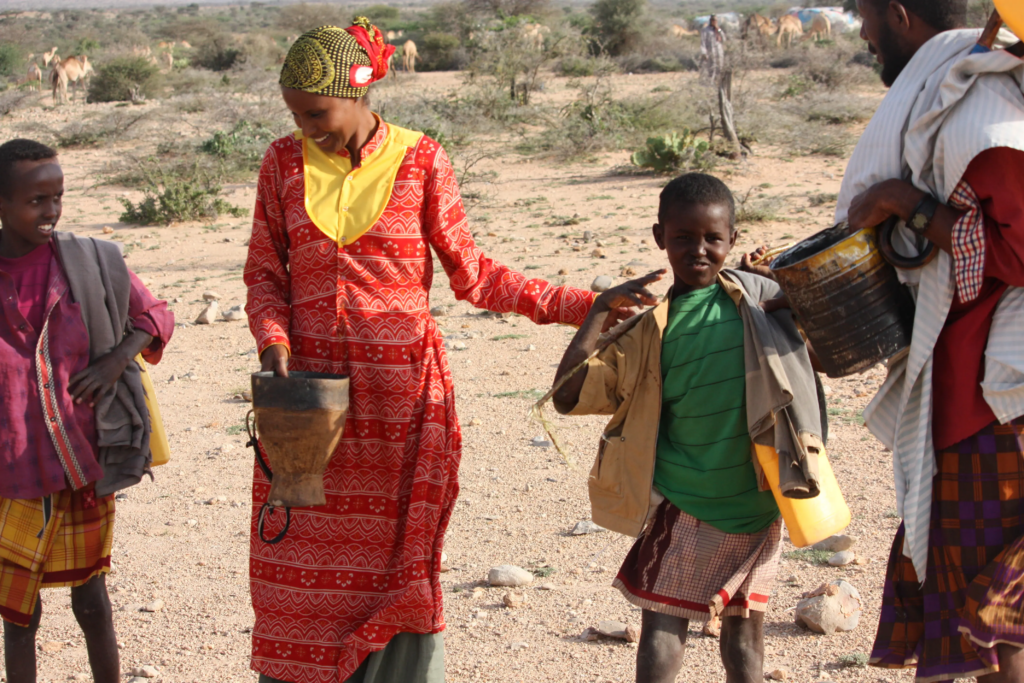
Old Somali ways are the heart of who we are because in our land we don’t always use big books to teach the children but we use the voice of the mother and the stories of the grandfather under the acacia tree. In 2026 even with all the new technology and the internet the old Somali traditions are still the strongest thing that keeps our families together and makes a young boy in Mogadishu feel proud of his ancestors who lived in the desert. This old Somali ways tradition starts with the language and the poems that have been passed down for hundreds of years and it is how we know our history without needing a library. When a young girl learns how to weave a traditional mat or how to cook the perfect bariis from her auntie she is keeping the old Somali traditions alive for the next hundred years. It is a very beautiful thing to see because the old Somali ways are like a golden chain that connects the past to the future and makes sure that no matter where a Somali person goes in the world they never forget their home. Without these old Somali traditions we would be like a tree without any roots and we would easily fall down when the wind of the modern world blows too hard against us.
Read Also: Somali cultural unity and the power of shared identity
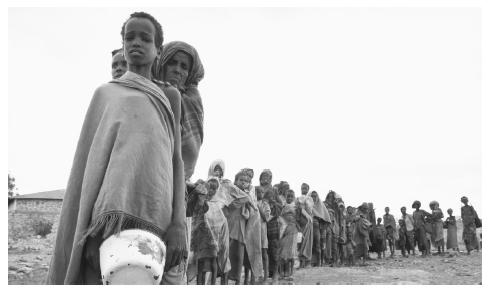
How we keep the old Somali ways alive in the big cities
One of the biggest challenges for the old Somali traditions is that many of our people are now living in big cities or in foreign countries where the lifestyle is very different from the nomadic life of the past. This part of the old Somali traditions struggle is being solved by parents who make sure to speak only Somali at home and who tell the old folk tales every night before the kids go to sleep. We see that the old Somali traditions are also staying strong through the traditional weddings where the music and the dancing and the clothes are exactly the same as they were a century ago. Another great thing about the old Somali traditions is that the youth are now using apps and videos to share the poems of the great thinkers like Raage Ugaas so that even the kids in London can learn their heritage. This use of new tools to save the old Somali traditions shows that our culture is smart and it knows how to adapt to the new times without losing its soul.
Why the old Somali ways are the key to our national peace
Many elders say that the old Somali ways of respect and hospitality are the best medicine for the problems our country has faced for a long time. These old Somali traditions include the “Xeer” system which is our traditional law that helps people solve their arguments with talking and compensation instead of fighting. If we lose the old Somali traditions of wisdom and patience then we will find it much harder to build a stable and happy nation for our grandchildren to live in. We should all support the small museums and the cultural festivals that show off the old Somali traditions because they are the mirrors that show us our own beauty as a people. Every time a young man listens to the advice of an elder he is adding a new link to the old Somali ways and making our society a little bit tougher and more united. The journey of our culture is very long and the old Somali traditions are the light that guides us through the dark nights of history.
Read Also: Somali Livestock Value Powers Somali Wealth
Final thoughts on a heritage that never dies
In the end we have to realize that our culture is not just something from the past but it is a living thing that needs to be fed every single day with our words and our actions. The old Somali ways are a gift that was given to us for free and it is our duty to make sure we don’t drop it or let it break in our hands.
Read Also: Somali Eid joy: Traditional celebrations in Mogadishu
Let us be proud of our stories and our songs and our way of life because the old Somali ways are what make us unique among all the nations of the earth. The future of Somalia is looking very bright as long as we keep our feet on the ground of our traditions while we reach for the stars with our new dreams.