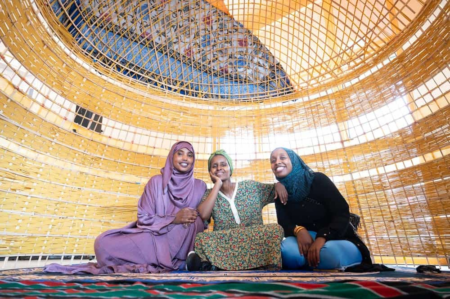


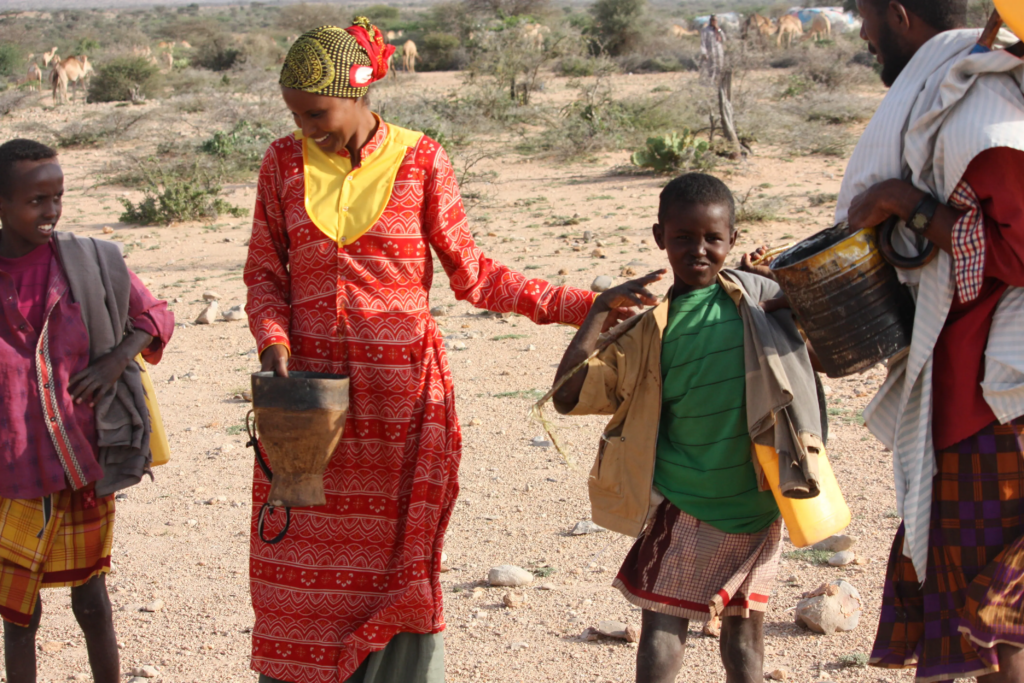
Somali cultural identity is something that many people in the diaspora think about every day as they try to balance their traditional roots with the new lives they are building in foreign countries. When a person leaves their home and moves to places like Europe or North America they carry their language and their religion and their stories with them like a heavy suitcase.
Read Also: 8 things about unique Somali cultural traditions
This Somali cultural is very strong and it has helped the community stay connected even when they are thousands of miles apart. However living in a different culture for a long time starts to change how the younger generation sees themselves and their heritage. They might speak English or Swedish better than they speak their mother tongue which creates a bit of a gap between the parents and the children. It is a very interesting journey because the culture is not disappearing but it is evolving into something new that fits the global world we live in today.
The struggle to maintain Somali cultural identity abroad
One of the biggest challenges for families is keeping the Somali cultural alive in a place where the local customs are completely different from what they knew back home. In a traditional Somali setting the community is very close and everyone looks out for each other but in big western cities life can feel very lonely and individualistic.
Parents work very hard to teach their kids about the Somali cultural by taking them to community centers and making sure they eat traditional food like sambusas or bariis. They want their children to be proud of where they came from and to understand the history of their ancestors. Without this effort the Somali cultural could easily get lost in the sea of western media and lifestyle choices that surround the youth every single day.
Read Also: Is Modern Urban Life reshaping Mogadishu?
Seven aspects of a changing identity
Here are seven specific ways that moving to a new country impacts the Somali cultural for the diaspora:
- Language shifting: Many young people begin to speak a mix of Somali and their new local language which creates a unique version of the Somali cultural that is bilingual.
- Religious centering: The mosque becomes a vital social hub where families meet to protect their Somali cultural identity and teach Islamic values to the children.
- Culinary mixing: Food is a powerful anchor but many families now mix western ingredients with traditional spices to keep the Somali cultural alive at the dinner table.
- Digital connection: Social media allows people to maintain their Somali cultural by following news and music from Mogadishu in real time no matter where they live.
- Marriage evolution: There is a shift in how weddings are organized as the younger generation seeks a balance between their Somali cultural and their own personal choices.
- New artistic expressions: Young poets and rappers are using modern beats to share stories about their Somali cultural identity and the struggles of living in a new land.
- Economic support: Sending money back home is a core part of the Somali cultural because it keeps the bond between the diaspora and their homeland very strong.
Religion is another major part of the Somali cultural identity that stays very firm no matter where the people go. The mosques in the diaspora are not just places for prayer but they are social hubs where people meet to talk about their problems and help the newcomers. This religious bond is a core part of the Somali cultural identity because it provides a moral compass and a sense of belonging in a world that can sometimes feel cold or unwelcoming.
Even if the language starts to fade the shared faith keeps the community together and gives them a reason to gather for celebrations like Eid. This shows that the Somali cultural identity is flexible enough to survive in different environments while keeping its most important values at the center of life.
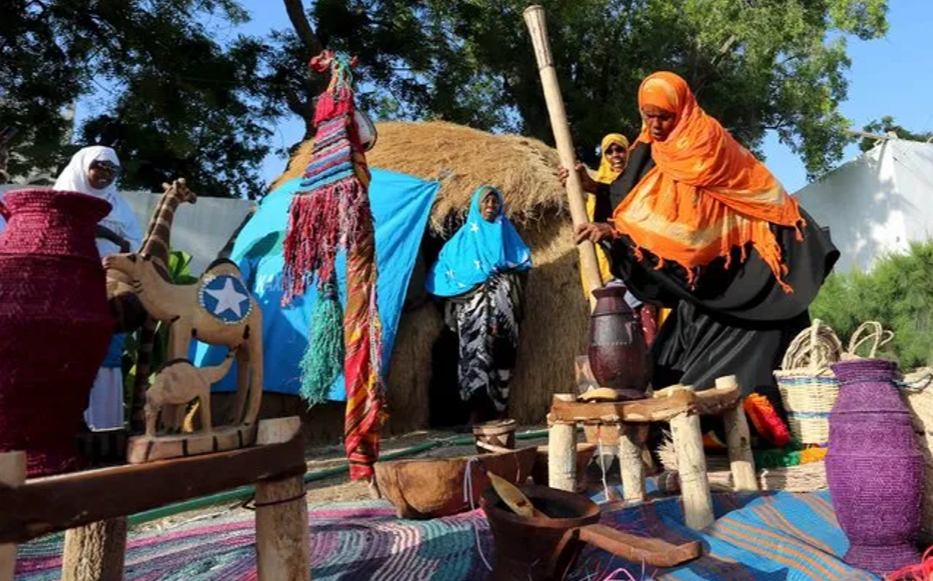
The story of the Somali diaspora is one of resilience and pride in their roots. Even though migration brings many challenges it also gives the community a chance to share their Somali cultural identity with the rest of the world.
We see Somali writers and poets and politicians making a name for themselves in many different countries and they always carry their heritage with them. The Somali cultural identity is becoming more diverse and more international which is a good thing for the future of the nation. As long as the people remember their history and keep their values they will never truly lose who they are.
Read Also: What are the Somali wedding customs?
The Somali cultural identity will continue to shine bright in every corner of the earth where a Somali person calls home. It is a beautiful legacy that will be passed down for many more generations to come regardless of where they are born.