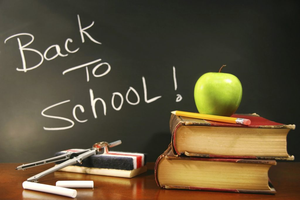

Best school options are something every single parent thinks about when their children grow old enough to start their learning journey. Choosing between a public classroom and a private institute is a massive decision that changes the daily life of a normal family for many years. Some people believe that spending lots of money on fees guarantees a great future while others think public systems give kids real life experiences. It is very important to look at all the small details before picking the right place for your young boys and girls.
Read Also: International Educational Scholarships for Somali Students
7 major differences regarding the best school options in education
When you begin researching the best school options for your family you will notice huge contrasts in how these two setups handle daily operations. Here are seven main ways they differ from each other:
- The total cost of education: Public schools are fully funded by the government which means normal families do not have to pay expensive monthly tuition fees to send their children there. Private schools rely entirely on cash from parents which makes them very costly.
- The number of students in each class: Government classrooms usually have a lot of kids sometimes up to forty students in one room. Private systems keep their groups very small so teachers can give every single child more personal attention.
- The quality of buildings and tools: Private institutes usually have modern computers clean sports fields and nice art rooms because they have more money. Public buildings might have older furniture and fewer high tech gadgets for the kids to use during science lessons.
- The type of study subjects available: Public schools must follow a strict national plan written by the ministry of education. Private places have more freedom to choose global programs like British or American courses which some consider among the best school options.
- The hiring rules for teachers: Public school instructors must pass official state tests and hold university degrees in teaching. Private schools sometimes hire experts who do not have formal teaching certificates but have great real world experience in their field.
- The amount of extra activities: Private setups offer tons of after school choices like swimming music lessons and drama clubs. Government schools often lack the budget to organize these extra fun events for students after regular hours finish.
- The social background of the classmates: Public schools mix children from all kinds of neighborhoods and income levels together. Private schools usually have kids from wealthy families which limits the variety of people your child interacts with daily.
How class sizes alter the way children learn their lessons
Looking at how many kids sit in one room helps parents determine the best school options for students who need extra help with math or reading. When a teacher has too many faces looking at them it becomes very hard to stop and explain a difficult idea to a child who is falling behind.

“Small classrooms allow shy children to find their voice and ask questions without feeling scared of a massive crowd of students around them.”
Because private schools charge so much money they can easily afford to hire more staff to keep class sizes small. This setup usually means fewer behavioral problems during the day because the teacher can see exactly what every student is doing at their desk.
Making the final decision for the future of your family
Every parent must weigh these points carefully to see which system matches their personal budget and home values. You should visit the local buildings talk to the headmasters and see how the active students behave before making up your mind completely.
Read Also: How Does High Student Density Affect Education Quality?
A final look at your educational choices
In conclusion finding the best school options depends entirely on what your specific child needs to grow into a successful adult. While private schools offer great tools and small classes public schools provide excellent social skills and cost nothing at all.
Read Also: Investing in Education for Sustainable Development
By understanding these seven key differences you can make a smart choice and select the best school options that sets your children on a happy path toward their future career goals. Taking the time to research all local facilities will ensure you invest your time and energy into the best school options available for their long term development.