

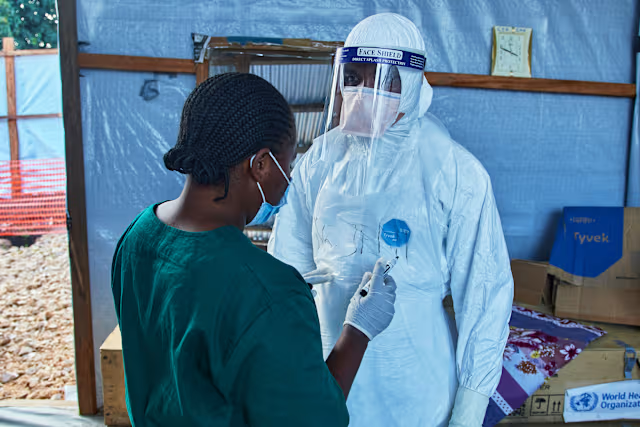
Ebola cases rise rapidly in the Democratic Republic of Congo as the country faces its fastest spreading outbreak ever recorded. On Wednesday July 15 2026 the ministry of health reported that the total number of infections has now crossed two thousand with at least seven hundred and fifty-four people losing their lives. The government health department released these alarming figures overnight highlighting the extreme speed of the current wave. Doctors and tracking teams are working around the clock but they are struggling to keep up with the virus. According to the official data there are still seven hundred and fifty-three patients kept in isolation units or local hospitals while only three hundred and sixty-six people have recovered so far.
Read Also: Useful memory tips to improve your daily brain power
This sudden spike has put the entire national medical system under immense pressure as they try to stop the illness from reaching other major cities. If the government cannot contain the spread we will see Ebola cases rise even further in the coming weeks.
The impact of the hospital strike on the spreading virus
The fight against the virus got much harder on Wednesday because of a sudden strike by front line medical staff. Health workers at the Bunia General Hospital decided to walk out of their jobs to protest against unpaid wages and poor working conditions. These brave doctors and nurses have been working in very dangerous conditions for weeks without receiving their proper money or hazard pay. To show their anger the striking workers blocked the main entrance of the hospital and refused to let anyone inside.
Read Also: Heatwaves Affect Women More Than Men During Extreme Weather
This work stoppage is a massive disaster for the response team because Bunia is right at the center of the outbreak zone. When nurses walk away from patients the isolation protocols break down and this will make Ebola cases rise much faster. The government needs to talk to these workers immediately and pay them their salaries so they can go back to saving lives before the situation gets completely out of control.
Ebola Cases Rise: Why Tracking Infected People Is Failing
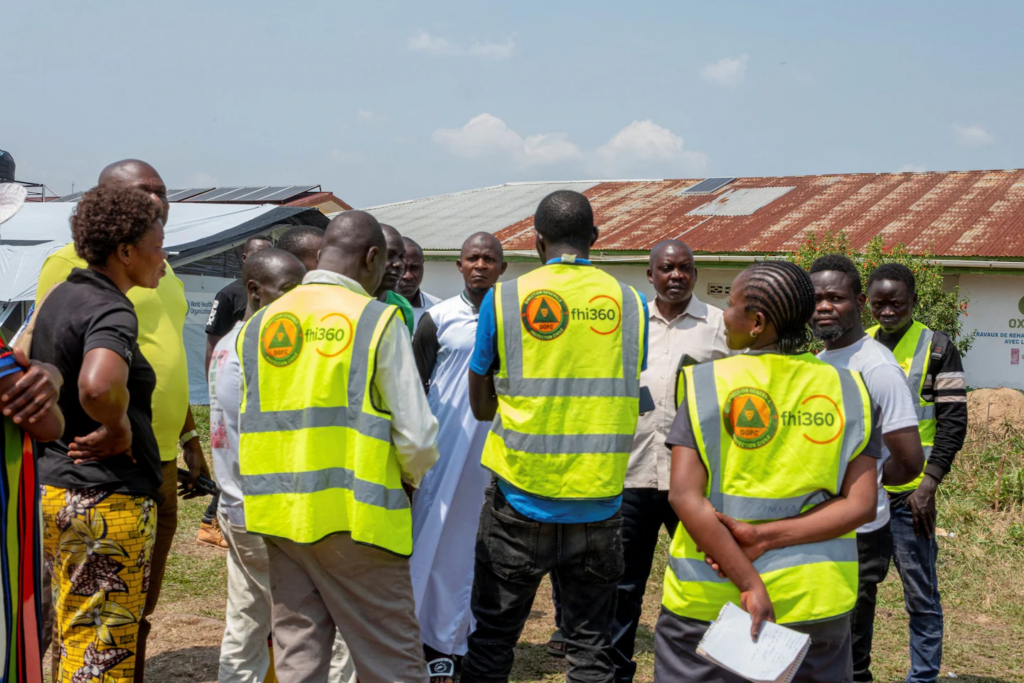
One of the biggest challenges in this outbreak is finding and monitoring the people who had close contact with infected patients. Right now health officials are only able to track sixty-seven percent of the people who were exposed to the virus. This low tracking rate means that many people who might be carrying the disease are walking around freely without knowing they are sick.
This lack of control is the main reason why the virus keeps moving faster than the medical response. When health teams cannot find the contacts of sick people they cannot stop the next chain of infection. If this tracking percentage does not improve we will definitely see Ebola cases rise in new villages and towns across the region.
Understanding the specific strain behind this outbreak
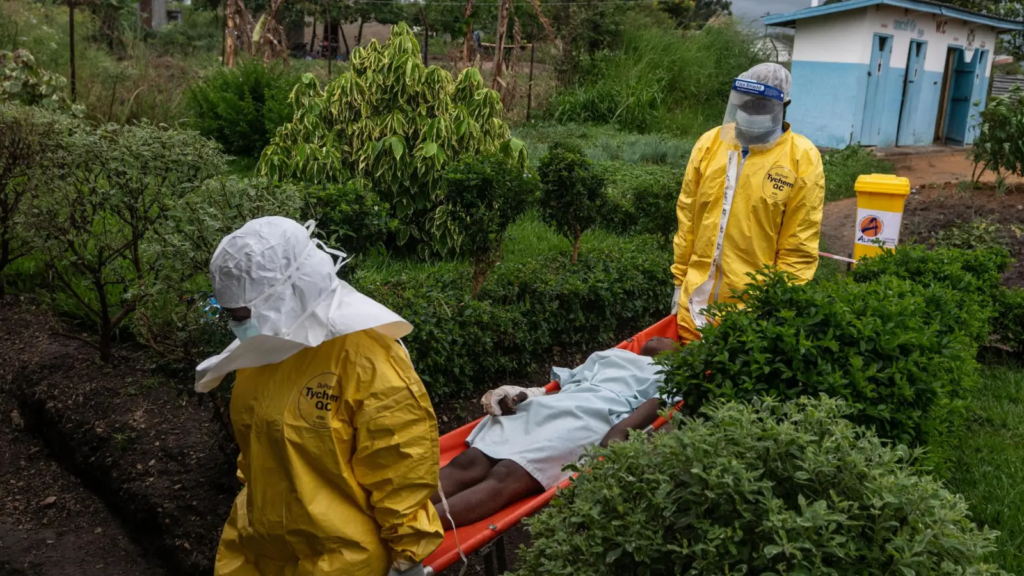
The current outbreak is caused by the Bundibugyo strain of the virus which started spreading back on May 15. This specific strain is highly dangerous and requires very strict safety measures to handle safely.
“We are working in the most difficult conditions but we have not received any of our promised compensation.” — Striking nurse at Bunia General Hospital
Even though the government has tried to expand its medical response over the last two months the virus is still moving too fast for them. The health department lacks the basic protective gear and transport vehicles needed to reach remote areas. Without these basic tools the local teams cannot do their jobs properly and this lack of resources will cause Ebola cases rise in rural communities.
Ebola Cases Rise: What Must Happen to Stop the Epidemic?
To successfully control this emergency the health ministry must solve the salary disputes with the doctors and nurses immediately. Front line workers cannot be expected to risk their lives every day for free. Once the strike ends the teams must focus on raising the tracking rate of exposed people way above sixty-seven percent.
Read Also: Football Match Cooling Breaks Protect Players
International health organizations also need to send more medical supplies and financial aid to help the local authorities. If the global community ignores this crisis the local health system will collapse and we will see Ebola cases rise across the borders into neighboring countries. The next few days will be critical in deciding if the Congo can finally stop this deadly outbreak or if it will turn into a much larger regional disaster.