
Stop aid groups working in their territory is the major decision announced by the Puntland regional state in Somalia. On Tuesday July 14 2026 the local government declared a complete halt to the operations of international humanitarian organizations accusing them of interfering in Somali politics and violating basic global aid rules. The Minister of Humanitarian Affairs and Disaster Management Abdirahman Haji Yusuf told these international agencies that any organization whose projects do not align directly with the interests of the state must suspend their work immediately.
Read Also: The Saudi Military Intervention: Somali Soldiers for Sudan?
This dramatic move has shocked the humanitarian community because many poor families in the region depend heavily on international food and medical support to survive daily life. The regional government is standing firm on its decision saying it will not tolerate unfair treatment anymore. If the local authorities do not change their minds we will see the decision to stop aid groups create a massive humanitarian crisis in the coming months.
The unfair division of international funds
The main reason why the state decided to stop aid groups lies in how international money is shared between the different regions of Somalia. State officials pointed out that Puntland receives less than one percent of the total humanitarian aid sent to the country. They claim that almost all of the remaining ninety-nine percent of the money and resources goes directly to the southern regions of Somalia.
The regional leaders are highly angry because they believe the federal government in Mogadishu is using global aid as a political weapon to punish Puntland. They stated that the distribution of aid is not based on the actual needs of the people but is decided purely by political alliances and favoritism. This unfair system is what forced local ministers to take this hard step and stop aid groups from working inside their borders.
Read Also: Somalia election schedule updates: Galmudug & Banadir Votes
Accusations of political interference
Local authorities have also accused foreign non governmental organizations of getting involved in local political affairs. According to the ministry some of these agencies are working secretly with the federal government to implement projects that ignore the local laws of Puntland. The minister made it very clear that any agency that wants to work in their territory must respect the local administration and coordinate all their activities directly with state officials.
By continuing to bypass local laws these foreign organizations are violating the sovereignty of the state. This is why the decision to stop aid groups is seen by local leaders as a necessary step to protect their political independence. They want to show both Mogadishu and international donors that Puntland cannot be ignored or treated like a minor province.
The rising danger for poor local communities
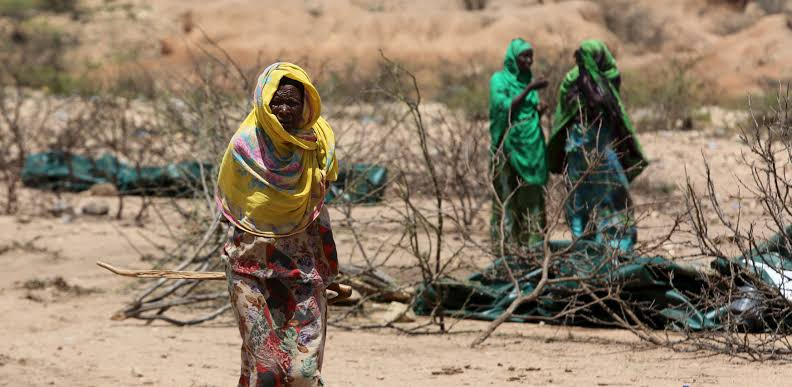
While the political fight continues between the governments ordinary citizens are the ones who will suffer the most from this shutdown. Many rural villages are currently experiencing severe water shortages and food insecurity due to bad weather and economic struggles.
“We cannot allow organizations to operate here if they do not respect our laws and our share of the aid.” — Minister Abdirahman Haji Yusuf in Garowe
If the government chooses to stop aid groups permanently, these vulnerable people will lose access to clean drinking water, health clinics, and mobile food distribution centers. Local community elders warn that this political standoff could increase malnutrition and disease among children in remote areas. They are urging both sides to reach a peaceful solution before the situation becomes a humanitarian tragedy. If the government chooses to stop aid groups permanently, families may be left without essential healthcare and lifesaving support.
Putting thousands of children at greater risk. Community leaders continue to stress that cooperation is urgently needed to prevent further suffering. If the government chooses to stop aid groups permanently, the humanitarian crisis could deepen, leaving vulnerable communities without basic services and increasing the likelihood of preventable illness and hunger.
What happens next for international agencies
International organizations are currently holding emergency meetings to discuss how to respond to this sudden ban. Many of them have already paused their projects in major towns like Garowe and Bosaso to avoid trouble with local police. They are hoping to start talks with the ministry to clarify the rules and find a way to resume their humanitarian work.
Read Also: Somalia Political Crisis Fuels Mogadishu Protests
However unless the federal government in Mogadishu agrees to share the international funds more fairly the regional state is unlikely to back down. The decision to stop aid groups remains active and it has created a very difficult situation for everyone involved. For now the flow of vital assistance to thousands of needy families in the region remains completely blocked as both sides refuse to compromise on their political demands.