


Internet blackout impact starts right in the first paragraph as students try to access online lessons and study materials from home when local networks go down without warning When web connections stop working young people cannot download their homework or watch educational videos that their teachers posted online This internet blackout impact makes learning very hard for families who rely on digital tools to keep up with modern school subjects and study for national exams Every time the web cuts out students lose precious study hours and fall behind in their regular daily schoolwork.
Read Also: Special education growth in Somalia: What can help?
Many schools and training centers in big towns now use online platforms to share textbooks and assign projects to kids During an internet blackout impact teachers find it impossible to send updates or grade assignments that students submitted earlier This disruption frustrates everyone involved because nobody knows when the web will start working properly again Parents worry that their children are losing interest in their studies because offline resources are limited in many neighborhoods.
Internet blackout impact and the main challenges facing local schools
When we look at how schools operate today we see that internet blackout impact hits rural areas much harder than big cities Small towns often have fewer physical libraries so students rely heavily on mobile data to look up basic facts for science or history classes Without a steady web connection kids have to wait days just to find simple answers to questions in their textbooks This delay slows down the whole learning process and puts rural students at a huge disadvantage compared to others.
Read Also: Why is adult literacy growth so vital for building a better Somalia
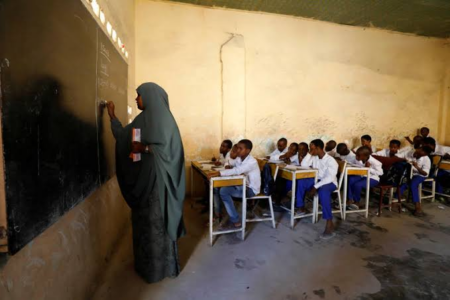
Teachers also struggle to prepare their daily lessons when network drops happen without any warning Many instructors download teaching aids and visual guides from international websites to make classes more interesting During an internet blackout impact they have to rely only on old chalkboards and outdated printed books that do not cover modern topics well This drops the quality of classroom instruction and leaves kids feeling bored during study hours.
- Delayed homework submissions: Students cannot upload assignments on time when networks go down.
- Interrupted online exams: Remote tests get canceled midway through due to lost connections.
- Limited research access: Kids lose access to digital libraries and reference materials.
- Communication gaps: Teachers cannot message parents about school schedules or changes,
- Higher mobile data costs: Families spend extra money buying new data packages after network drops.
Difficulties for teachers and classroom preparation
Instructors face a lot of extra work whenever network connections are lost for hours at a time They spend extra time printing paper worksheets and looking for physical books that may be out of date To make matters worse teachers cannot coordinate with each other online to plan upcoming weekly schedules or share testing materials smoothly.
Long term effects of network disruptions on youth development
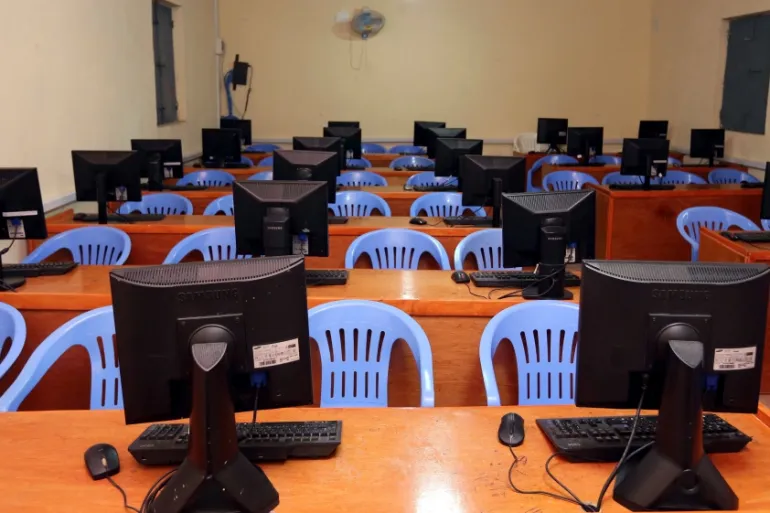
The long term internet blackout impact goes beyond daily homework problems and affects the future career options of young people Jobs today require good computer skills and comfort with digital tools If students cannot practice using web applications regularly they will struggle when applying for university spots or jobs later in life Local tech centers that train youth in coding and digital design have to cancel classes repeatedly whenever network providers face technical troubles or cuts.
Universities across the region are also trying to attract foreign students and build partnerships with global institutions Frequent internet blackout impact hurts the reputation of higher education centers because international partners need reliable communication channels to conduct research projects together Professors miss online conferences and research grants simply because they could not join video calls or submit project proposals before strict deadlines passed.
Strategic solutions for reliable network access in schools
To fix these serious problems local authorities and telecom companies need to work together to build stronger infrastructure Citizens hope that backup fiber networks and satellite options will become available soon so schools do not suffer every time a cable breaks With better planning and investment the country can protect its student population from future disruptions and ensure that everyone gets a fair chance at a good education no matter where they live.
Read Also: How education affects Somalia?
Building a resilient educational system for the future
In conclusion keeping web connections running smoothly is essential for the growth of modern learning systems across all provinces As more educational content moves online reliable network access must be treated as a basic necessity for every student By investing in better technical infrastructure and providing alternative offline tools community leaders can reduce the damage caused by sudden network outages and give young people the stable learning environment they deserve to build a brighter future.