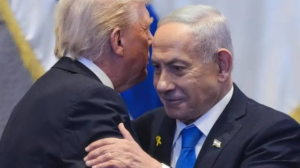



Netanyahu rejects plan that was offered by the american government recently and this decision has created a lot of discussion around the world the prime minister of israel made it clear that his government will not agree to the proposals that were put forward by washington for ending the conflict in gaza he spoke to his cabinet members and explained why he feels this decision is necessary for his nation and its security in the current situation when netanyahu rejects plan he sends a strong message to both international allies and critics who have been pushing for a fast deal to end the violence.
Read Also: Ceuta Border Crisis: How Will Europe Handle Rising Deaths?
Netanyahu rejects plan while keeping troops in gaza
the document that was presented by the white house contained fifteen distinct points aimed at bringing peace to gaza and setting up a structure for future administration however the Israeli government has big concerns about how this strategy would work on the ground especially regarding security issues and troop positions the main reason netanyahu rejects plan is that it calls for a withdrawal of forces before certain conditions are met for israel the complete disarmament of hamas is a non negotiable condition that must happen first before any major army movements can take place.
during the meeting netanyahu stated that military forces will remain inside gaza to handle ongoing security threats he emphasized that the removal of all weapons both light and heavy from opposition groups is required to protect Israeli citizens from future attacks according to his statements the military will continue to take action against any potential danger that threatens soldiers or civilians when netanyahu rejects plan he also wants to show his local supporters that he is holding a firm stance on security matters despite heavy international pressure from friendly countries.
Read Also: Secret Airborne Meeting on Regional Conflict
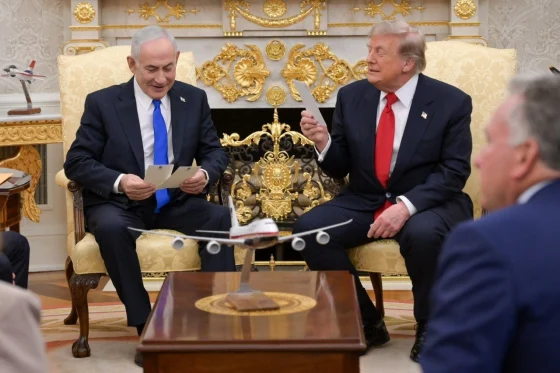
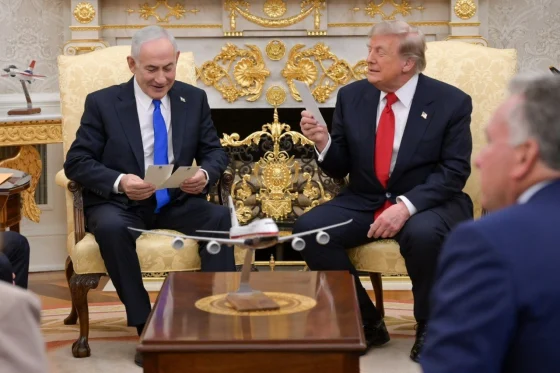
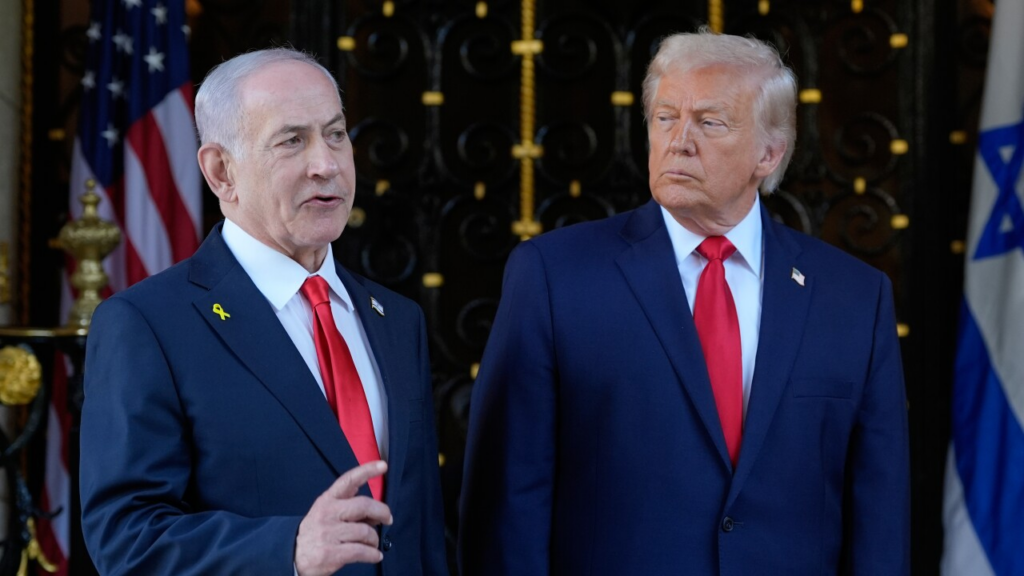
the relationship between israel and the united states has been tested many times over the years but this current disagreement highlights deep differences in strategy top leaders in washington have been working hard to push both sides toward an agreement that could bring stability to the wider region president trump had previously mentioned that progress was being made and that parties had shown interest in stopping the fight yet when netanyahu rejects plan it shows that the Israeli leadership believes the terms do not match their national interests or long term safety goals.
the topic of a future palestinian state has also been a central point of discussion during these talks netanyahu restated his long standing view that a palestinian state will not be established in gaza or the west bank while he remains in office this position directly conflicts with what many foreign diplomats and peace organizers have been advocating for decades as netanyahu rejects plan he makes it clear that political solutions must align with his vision of national defense rather than international expectations.
in addition to the ongoing situation in gaza the prime minister brought up concerns regarding regional threats especially regarding nuclear capabilities he stressed that preventing certain countries from acquiring weapons remains a top priority for his administration regardless of whether international agreements are signed or not this broader strategic view explains why netanyahu rejects plan because his leadership views all regional events through the lens of national survival and comprehensive defense strategy.
many political analysts and news reporters are watching these developments closely to see how the white house will respond in the coming weeks some experts believe that diplomatic efforts will continue behind closed doors to modify the proposals so that both sides can find common ground others think that this public disagreement could lead to a longer delay in reaching any real ceasefire or peace agreement whenever netanyahu rejects plan it causes commentators to question if a diplomatic solution is possible under the current political conditions in the middle east.
people living in the region continue to face daily challenges as decisions are made by leaders far away from the frontline for many families the ongoing conflict means uncertainty and hardship every day while political figures argue over points in documents ordinary citizens are hoping for safety and stability at the present moment the future of gaza remains uncertain and dependent on whether new negotiations can bridge the gaps between the two sides.
Read Also: Trump cancel strike why did he back down
looking ahead it is obvious that both israel and the united states will need to find a way to communicate effectively despite their differences even though he resists the proposal for now history shows that strategic allies often find ways to compromise after public disagreements only time will tell if future discussions will bring a new approach that satisfies security demands while offering a path toward lasting peace for everyone involved in this long standing conflict.