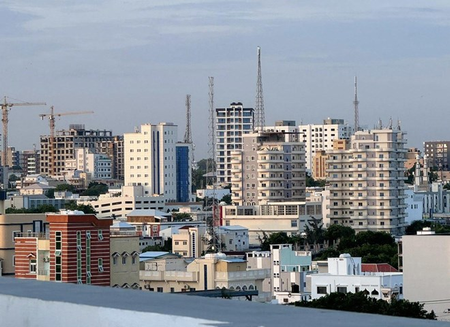



Abusivo land ownership represents one of the most critical challenges facing the capital of Somalia today as the city tries to modernize its structure while respecting the rights of long term residents. These informal settlements known locally as Abusivo or Bullo or even Tokyo arose long before the modern city expanded around them.
Many families settled on these plots decades ago using them as small farmland or pasture areas prior to the collapse of the state. Over time as the city grew rapidly these areas transformed into dense urban spaces filled with narrow alleys and tightly packed homes. Looking at Abusivo land ownership requires us to see both the deep historical ties of the people living there and the practical needs of a growing metropolis.
Read Also: Nugal Coast Airstrike: What It Reveals About Maritime Security
Understanding the historical context of Abusivo land ownership
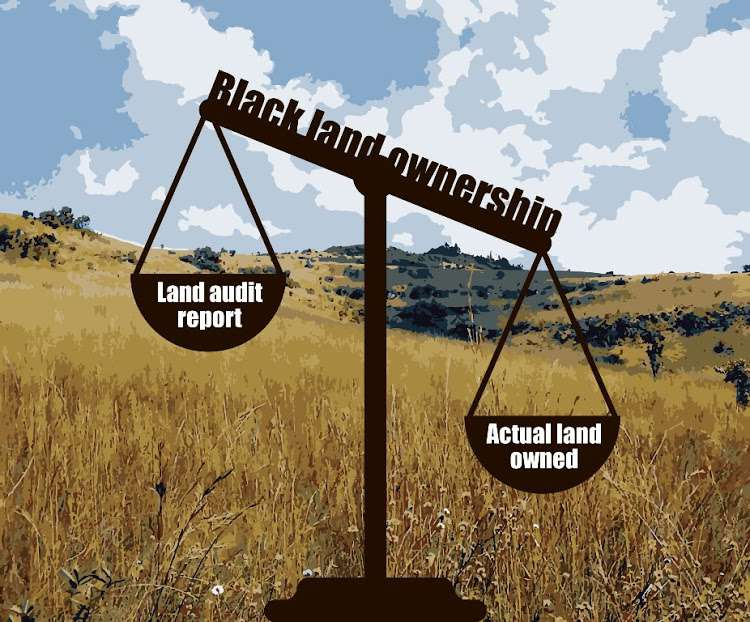
To understand the legal and social debate you must look at how these communities started. Many families have lived on these plots for generations passing them down from parents to children long before the modern street grids were ever drawn. Treating these historic plots as standard state property ignores the reality of long term occupancy and local traditional land agreements. The original inhabitants built their lives here when the area was considered outside the urban boundaries of the city. As Mogadishu expanded these established communities were absorbed into the city footprint which created complex overlaps between traditional occupancy and formal municipal planning.
Read Also: Danab Force Deployment in Baidoa: Why It Matters Now
The tension between urban planning and property rights
Cities need open roads clear emergency access and proper sanitation to function safely and efficiently for all citizens. However implementing these necessary improvements should not come at the expense of erasing valid private property claims. The structural need to widen roads or clear pathways does not automatically eliminate Abusivo land ownership rights held by families who have invested their lives into these neighborhoods. State intervention for public utility is a common practice worldwide but it must be clearly distinguished from total land confiscation. When governments plan infrastructure projects they usually balance public necessity with fair compensation or alternative housing solutions for the displaced residents.

Distinguishing public property from private settlements
A central problem in current discussions is treating all informal areas as if they were illegally seized government property. While some informal housing across the country might involve recent squatting on public reserves Abusivo land ownership in older neighborhoods rests on a very different foundation. Conflating historic family lands with empty state land creates unfair legal outcomes for vulnerable populations. Proper legal assessments must evaluate each neighborhood based on its specific origin story rather than applying a single sweeping policy. Authorities need to conduct thorough land surveys and consult historical records to determine who actually holds legitimate claims before making decisions that impact thousands of residents.
Practical solutions for fair urban development
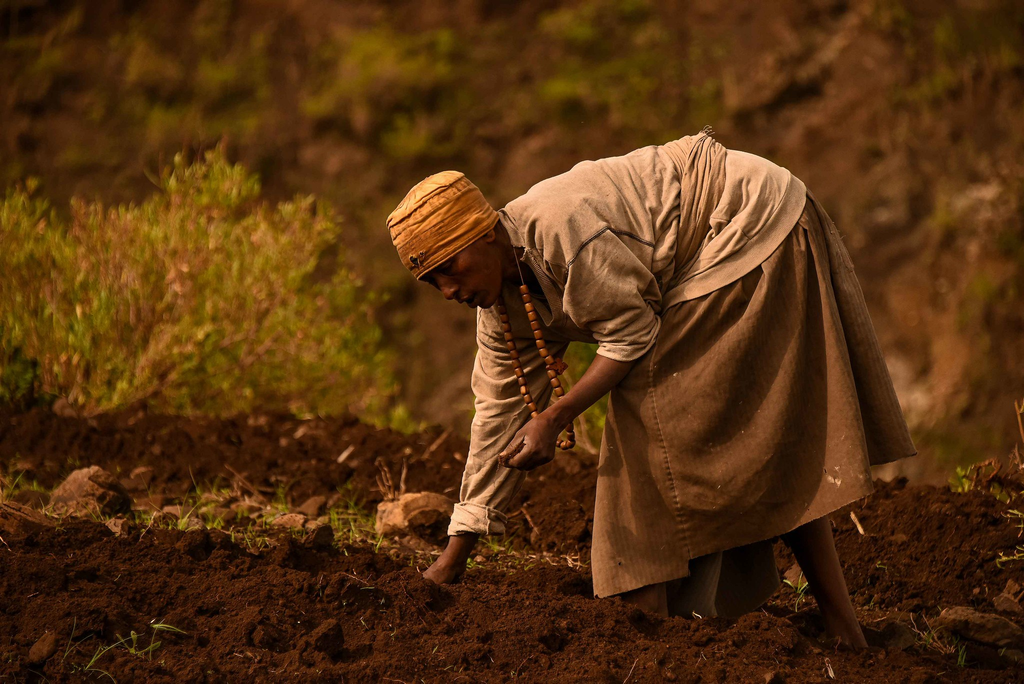
Finding a middle ground is essential for the future of Mogadishu as it balances modern infrastructure needs with social justice for its long standing residents. Recognizing Abusivo land ownership allows city planners to respect historical human presence while implementing necessary urban improvements.
Read Also: Somalia UK Security Talks: How Are Both Sides Boosting Defense?
Through transparent dialogue accurate property registration and inclusive urban design Mogadishu can build a safer organized environment without stripping working class families of their homes.