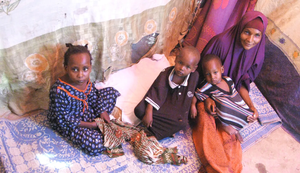


Somali family structure is the most important part of life in Somalia because it gives people support and safety in hard times. When you look at how people live in Somalia you see that nobody really stands alone. Everyone belongs to a group of relatives that helps them with daily tasks and big life problems. This strong connection starts at home with the parents and children and then it goes out to cousins uncles and grandparents. Without Somali family structure many people would not be able to survive the tough economic conditions or the lack of strong government services in many areas.
Read Also: What are weird Somali games that kids played in the old days
Understanding Somali Family Structure
The reason Somali family structure holds such a high place in the culture comes from history and tradition. For hundreds of years most Somalis lived as nomads moving around with their animals to find grass and water. In that kind of dry and hard environment a single person could not survive on their own. You needed your brothers and cousins to protect the animals and share food. This deep need for teamwork created a tradition where the group always comes before the single person. Today even when people move to big cities like Mogadishu or live in other countries around the world they still keep this old tradition alive.
Another reason why Somali family structure matters so much is the economic help people give to each other. In many places there are no government pensions or welfare checks for older people or those who lose their jobs. The relatives step in to act as a social safety net. If someone loses their business or gets sick the rest of the group donates money to help them get back on their feet. Young people who get good jobs in cities or overseas usually send money back to their parents and siblings every single month. This shared money system keeps many households alive and builds a very strong bond between all members.
Read Also: Why World interest in Somalia is growing so fast today?
Culture and religion also play a huge role in keeping the ties strong. In the Somali culture respecting parents and elders is one of the highest values a person can have. Children are taught from a very young age to listen to older relatives and to take care of them when they grow old. Decisions about marriage business and moving to new places are rarely made by one person alone. Instead the elders meet up and talk about what is best for the whole group. This system gives everyone a sense of direction and prevents individuals from making big mistakes that could hurt the family name.
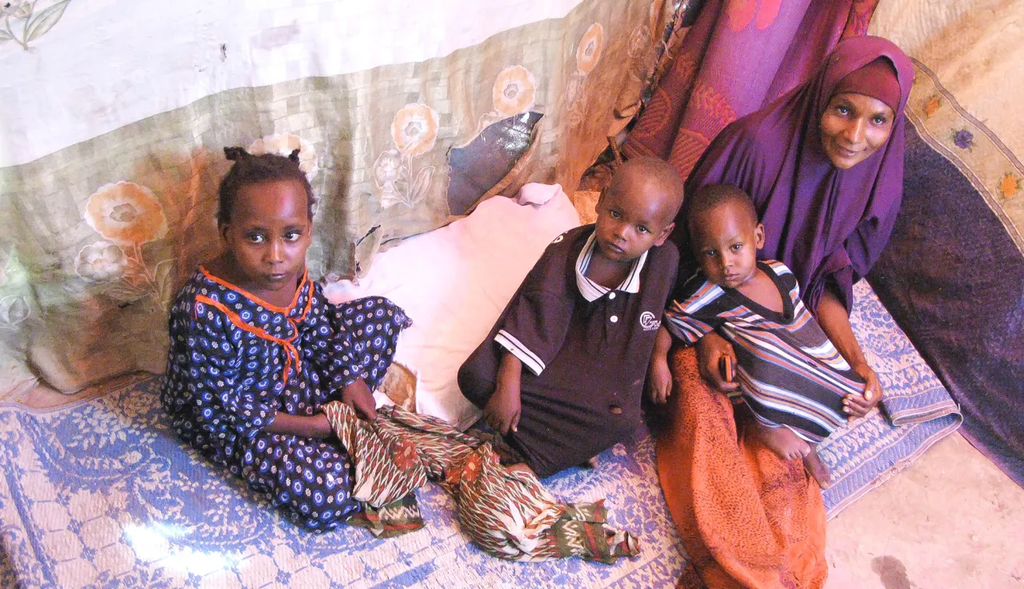
In addition to financial and cultural support Somali family structure provides emotional comfort and identity. In Somali society your last name and your lineage show who you are and where you come from. People take great pride in reciting the names of their grandfathers going back many generations. Knowing your roots gives you a strong feeling of belonging. When a Somali person meets another Somali anywhere in the world they often start asking about their lineage to find out how they might be related. This creates an immediate feeling of trust and friendship even between complete strangers.
During times of political conflict or natural disaster Somali family structure has been the only thing keeping society from falling apart completely. When schools hospitals and courts stopped working the elders and relatives used traditional laws to solve fights and share resources. They took in orphans and took care of widows without needing formal charities. This resilience shows that the bond of blood is stronger than any political system.
Read Also: 5 Unique Somali Habits Foreigners Don’t Easily Understand
As time goes on and modern life changes things many young people still honor Somali family structure in their daily lives. Even though internet and modern jobs are changing how people think the love for the clan and home remains strong. In conclusion Somali family structure is the main pillar of survival identity and success for the Somali people. It shapes how they view the world and how they care for each other every single day.