


Flexible artificial limbs are currently changing the lives of many people who have lost their arms or legs because for a long time the old designs were just too stiff and heavy to use every day. If you imagine wearing a piece of hard plastic or heavy metal all day you can understand why many people in poor countries just stop using their prosthetics after a few weeks. But now in 2026 scientists have found new ways to use soft materials and clever engineering to make these tools feel more like real human parts. These flexible artificial limbs are designed to bend and stretch just like a real muscle or a real joint which makes walking or grabbing a cup of water feel much more natural and less like a chore.

The big problem we face globally is that most high-tech prosthetics cost as much as a small car which means people in developing nations can never afford them. This is where the new flexible artificial limbs come into play because they are often made with 3D printing and cheaper materials that still work very well. By making the design simple but bendy we can help millions of people get back to work and take care of their families without needing a fortune in the bank. It is a huge step forward for medical equality and it shows that sometimes a simple idea is better than a complex computer chip.
The Science Behind Flexible Artificial Limbs
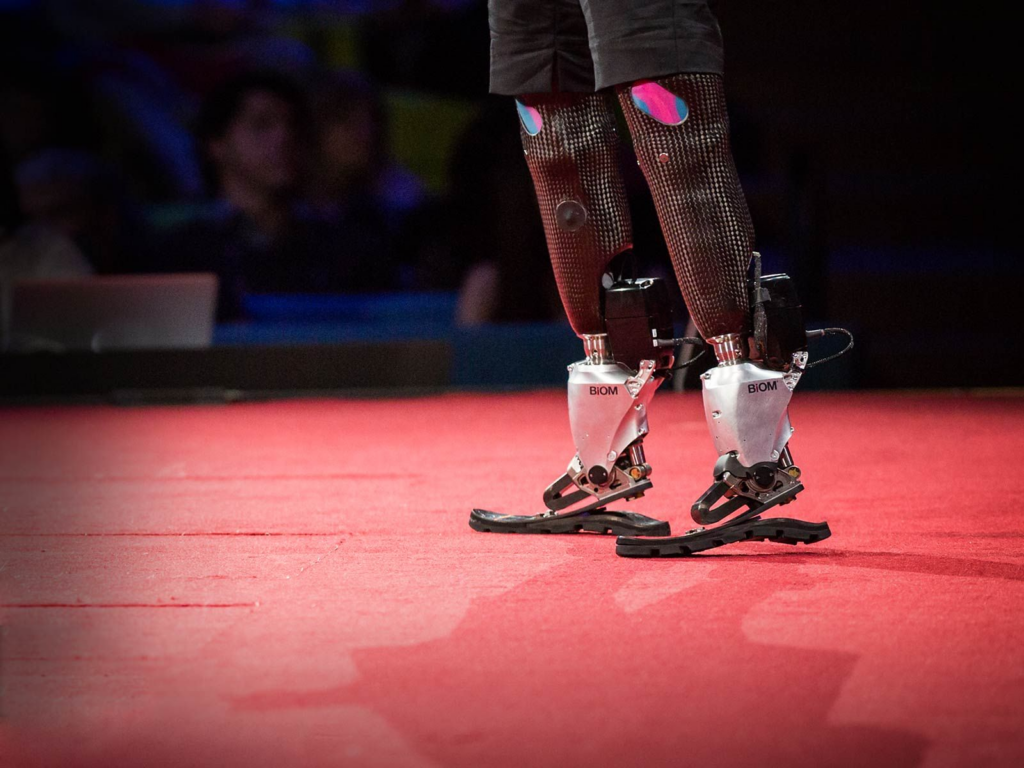
The secret to these new designs is something called “soft robotics” where the materials react to the ground just like a human foot does. With flexible artificial limbs the person can walk on uneven ground or climb stairs without feeling like they are going to fall over every second. Traditional limbs are usually very rigid which sends a lot of shock up into the person’s back and hips causing a lot of pain over time. But the flexible artificial limbs act like a shock absorber which protects the rest of the body from getting worn out too fast. This means a person can stay active for many more years without needing extra surgery or medicine for back pain.
Why Global Health Needs Flexible Artificial Limbs
When we look at the numbers of people who need help in 2026 it is quite shocking to see how many are left behind. Most of the people who lose limbs live in places where the roads are rough and the weather is very hot or very wet. Stiff prosthetics break easily in these conditions but flexible artificial limbs are much tougher and can handle the dirt and the rain without snapping. This durability is the key to solving the global health crisis because it means the limb doesn’t need to be fixed every month. If a farmer can trust his flexible artificial limbs to last a whole season of planting and harvesting then he can stay independent and productive for his community.
The Future of Flexible Artificial Limbs in Daily Life
As we move forward the next goal is to make these limbs even smarter by adding sensors that can feel heat or pressure. Even without the sensors the current flexible artificial limbs are already making a massive difference in how kids can play and grow. Children outgrow their limbs very fast and the flexible designs can often be adjusted to fit them for a longer time which saves their parents a lot of money and stress. We are seeing a world where having a missing limb doesn’t mean you are disabled but just that you use a different kind of tool to get around. The flexible artificial limbs are the bridge that connects a person back to their normal life and their dreams.
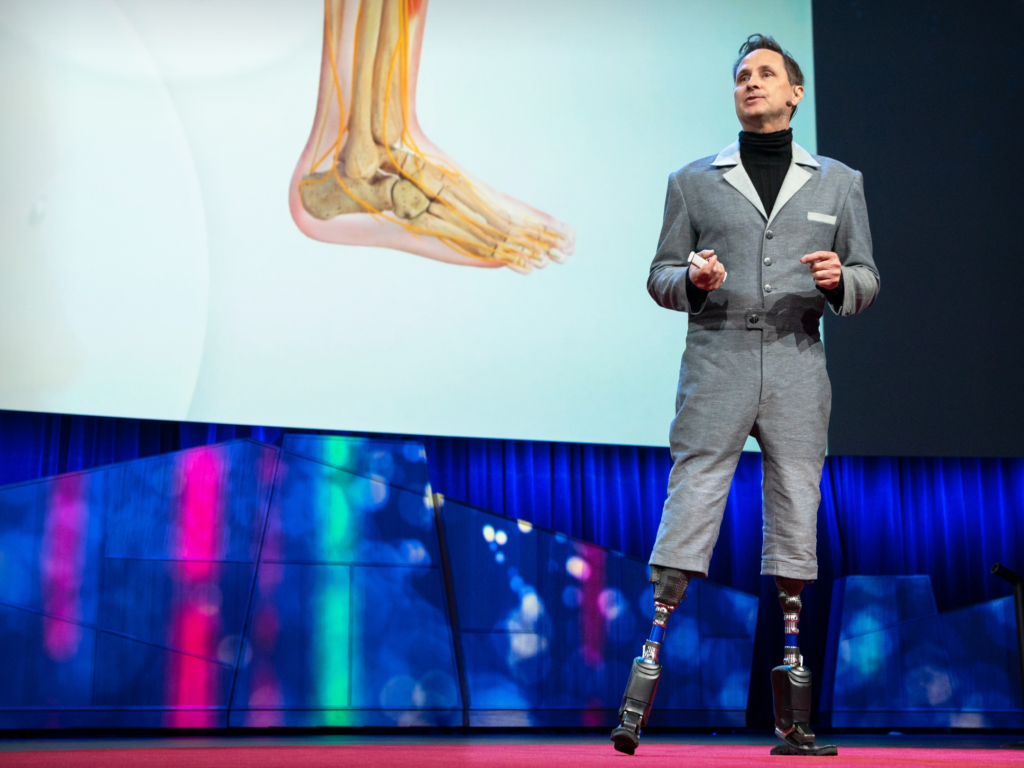
In the end we have to realize that medicine should be for everyone and not just for the people in the richest cities. By focusing on flexible artificial limbs we are choosing a path that values comfort and accessibility over fancy gadgets that nobody can afford. It is a beautiful example of how human kindness and smart engineering can come together to fix a problem that has been around for thousands of years. The more we invest in this technology the better the world will be for all of us.
Read Also: Why Is Flu Season Protection Necessary to Separate Science from Myth?
So the next time you hear about a new medical invention think about the people who just want to walk to the market or hold their child’s hand. These flexible artificial limbs are making those simple moments possible again for so many people. It is a bright morning for global health and we are just starting to see what is possible when we design with the human heart in mind.