




Ethiopia Two Waters Strategy is a topic many people in the Horn of Africa talk about, because the idea has created debate for years. Many people still ask if Somalia ever supported it, or if Somalia always rejected it. The discussion around the Ethiopia Two Waters Strategy keeps growing, because it is linked to politics, security, and the long history between the two countries, and people want to understand what the truth really is.
The Ethiopia Two Waters Strategy is a name people use when talking about the idea that Ethiopia wants wider access to the sea, and wants more influence over water routes in the region. This idea has existed for decades, and is often connected to talks about ports, borders, and political deals between neighbors. This is why the Ethiopia Two Waters Strategy became a sensitive topic in Somalia, because Somalis feel strongly about protecting their land and sea, and many do not want outside pressure in those areas.
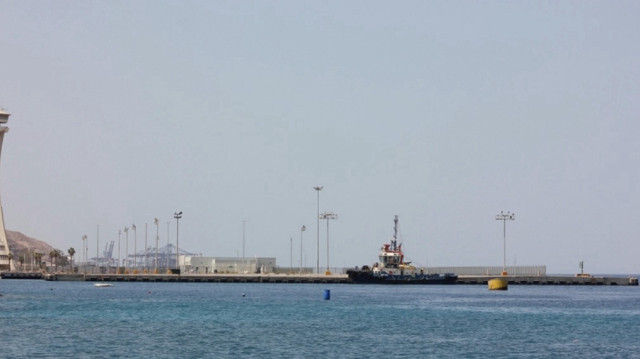
Many people in Somalia say the country never supported the Ethiopia Two Waters Strategy, and that Somalia always said its sea and land must stay under Somali control. They say Somalia has its own interests, and cannot agree to a plan that might affect its coastline or weaken its rights. Others say the debate became bigger when political tensions grew between leaders, and when Ethiopia tried to make new deals with Somaliland, which made the Ethiopia Two Waters Strategy even more controversial than before.
Ethiopia Two Waters Strategy in regional talks
Some leaders in the region say that the Ethiopia Two Waters Strategy is not a new idea, but something that Ethiopia has tried to push in different ways for many years. They say that Somalia has always been careful with this topic, and never gave open support, because Somalia understands the value of its long coastline and the importance of the sea for its economy, its security, and its identity.
People who follow regional politics say the Ethiopia Two Waters Strategy became more serious when Ethiopia started searching for new port access after losing Eritrea years ago. They say that Ethiopia began looking at Somalia, Djibouti, and Somaliland as possible partners. This is why the topic came back into public discussion again, and many Somalis felt worried about how these talks could affect their national interests.
Public reactions and national pride
Inside Somalia, many voices say they do not trust the Ethiopia Two Waters Strategy, because they feel Ethiopia has always wanted a stronger influence on the Somali coast. They say that Somalia should never support anything that reduces Somali control over its sea and land. For many people, this is not just politics, but also national pride and history.
Did Somalia ever support the plan?
When people ask if Somalia ever supported the Ethiopia Two Waters Strategy, most analysts say the answer is no. They say Somalia has always shown resistance to any idea that touches its coastline or reduces its control. Some leaders have clearly said that Somalia will not sign deals that affect national rights, and that the Ethiopia Two Waters Strategy does not match Somalia’s interests.
Some observers say that confusion happened because of different political statements, and because Ethiopia tried to build new partnerships in the region. But they say this does not mean Somalia supported the Ethiopia Two Waters Strategy. They say the Somali position stayed clear, even when politics in the region became more tense.
Read Also: Trump Venezuela Escalation Hits New Highs
Today, many Somalis believe that the Ethiopia Two Waters Strategy is something Somalia will never support, because it goes against the long struggle of the Somali people to protect their land, their borders, and their sea. They say that the country must always stay firm on this topic, and always defend its rights on the international stage.