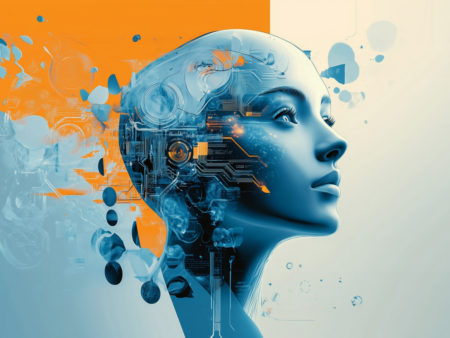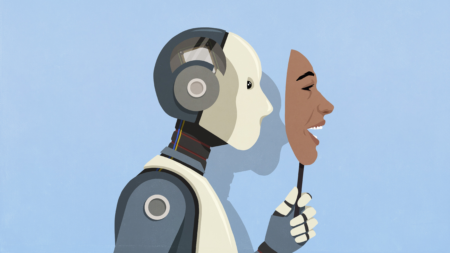



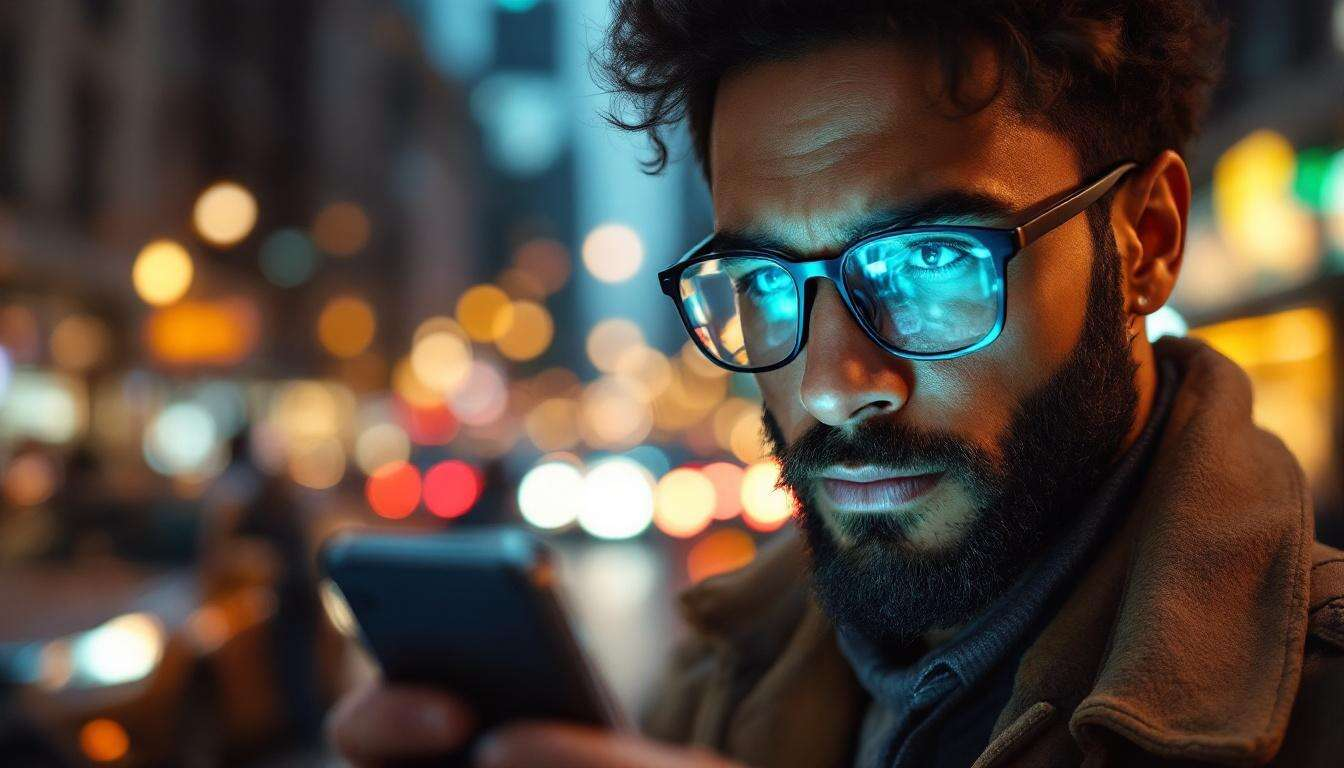
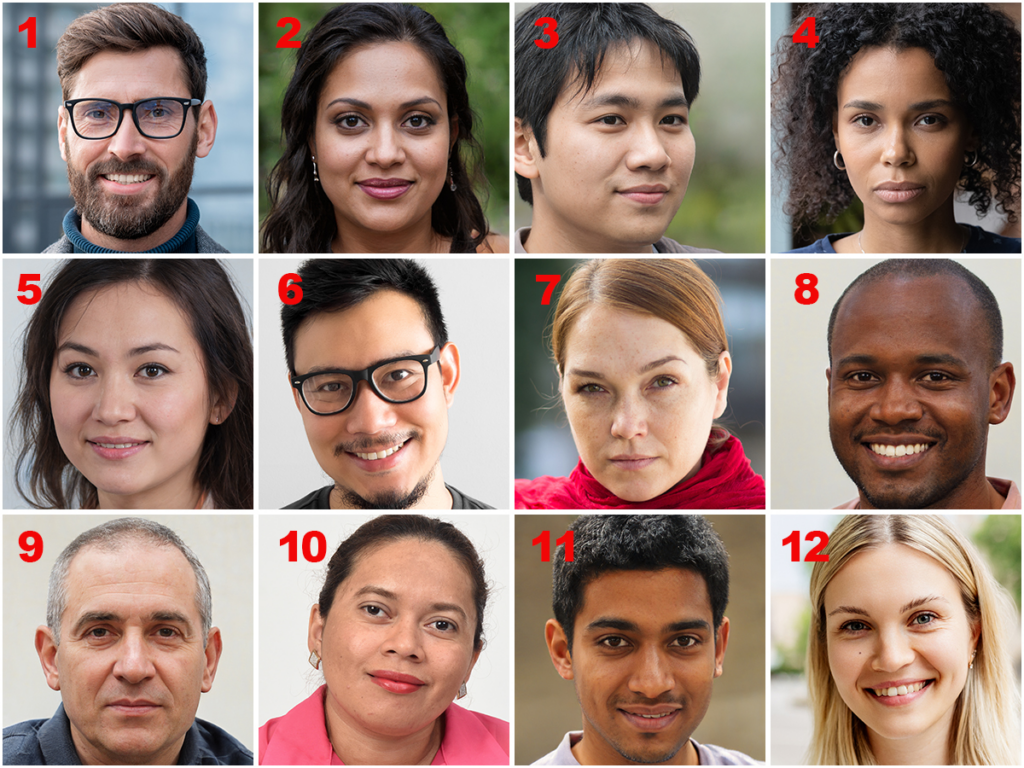
Fake face study results are coming out right now in 2026 and they are honestly pretty scary for anyone who uses the internet because it turns out that most people cannot tell the difference between a real human being and a picture made by a computer program. In the very first paragraph of this report the scientists explain that the fake face era shows our brains are simply not built to catch the tiny mistakes that modern artificial intelligence makes when it creates a digital person. Most of the people who took part in the fake face era thought they were great at spotting the fakes but they actually failed more than half the time which is a big wake up call for everyone. This fake face era found that people often trust the computer faces even more than real ones because the ai makes the skin look perfect and the eyes look very friendly in a way that real humans usually do not. It is a strange world when a fake face era tells us that our own eyes are lying to us and that we might be talking to robots on social media without ever knowing the truth. The researchers who did the fake face era say that this technology is moving so fast that our natural instincts just cannot keep up with the changes happening in the digital world today.
Read Also: Hidden AI risks is your office safe from them?
The reason this fake face era is making so many headlines is because of the dangers it brings for things like identity theft and spreading fake news online where a fake person can look like a trusted news anchor. If the fake face era is right then a bad person could make thousands of fake profiles that look completely real to steal money or trick people into believing something that is not true. We used to think we could see “glitches” in the hair or the background but the fake face era proves those days are mostly over because the software is too smart now. Even the experts who participated in the fake face study struggled to find the digital ones which means the regular person on their phone has almost zero chance of being right. This is a massive shift in how we understand reality and the fake face era is just the beginning of a much bigger conversation about how we protect our society from these digital ghosts.
Why the fake face study is a warning for social media users
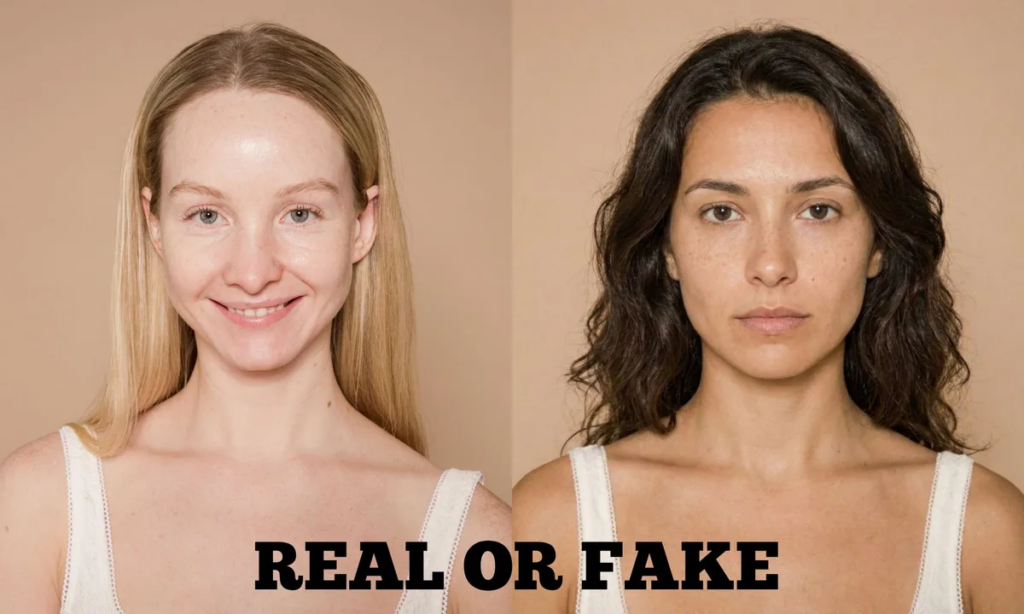
The biggest takeaway from the fake face era is that we need to stop trusting everything we see just because it looks like a person with a name and a face. Because the fake face era shows that ai can create “hyper-realistic” images it means that our trust is being used against us by people who want to manipulate our opinions. The scientists who ran the fake face study noticed that when people were shown a real photo and an ai photo side by side they often picked the ai one as the “more human” choice because it looked more symmetrical. This part of the fake face era is very interesting because it shows that our idea of what a human looks like is being changed by the perfect images we see on our screens every day. If we don’t learn from this fake face study we might find ourselves in a world where we can’t even trust a video call from a friend or a family member because it could all be a trick made by a machine.
Read Also: Future Job Losses: Roles Expected to Disappear by Next Year
The psychological impact found in the fake face study results
Another part of the fake face study focused on how we feel when we find out we were tricked by a computer image and it turns out it makes people feel very anxious and unsure about the future. The fake face study suggests that this “uncanny valley” where things look almost real but not quite is disappearing and that is causing a lot of confusion for our brains. By looking at the fake face study data we can see that younger people are slightly better at spotting the fakes than older people but even they are not perfect by any means. It is a tough challenge for everyone and the fake face study is a reminder that we need better tools and better education to help us navigate the internet safely in 2026.
Read Also: Elon Musk Medical Vision: Doctors at Risk?
The world is changing in ways that are hard to believe and the line between what is real and what is digital is getting thinner every single day. The fake face study is a clear sign that we are entering a new era where we have to be much more careful about who we trust and what we see on our devices. It is not just about fun filters anymore but it is about the truth of our reality and how we maintain it in the age of powerful artificial intelligence. We should all take the results of the fake face study seriously and try to be more skeptical when we are scrolling through our feeds or meeting new people online. The robots are getting better at looking like us and we need to get better at seeing the truth behind the pixels before it is too late.