


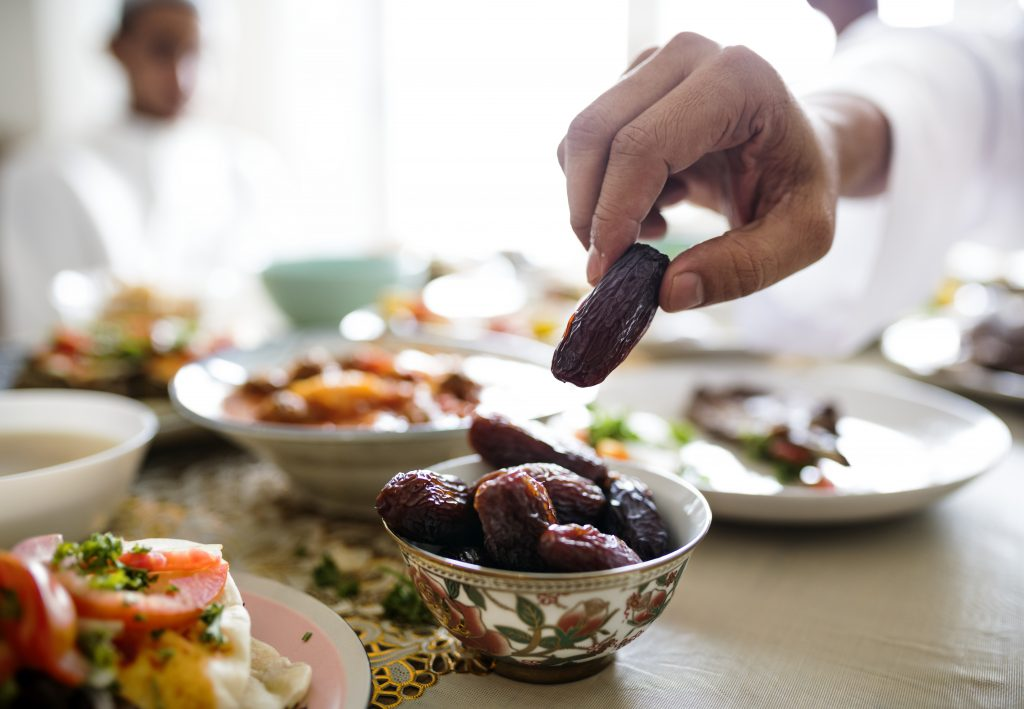
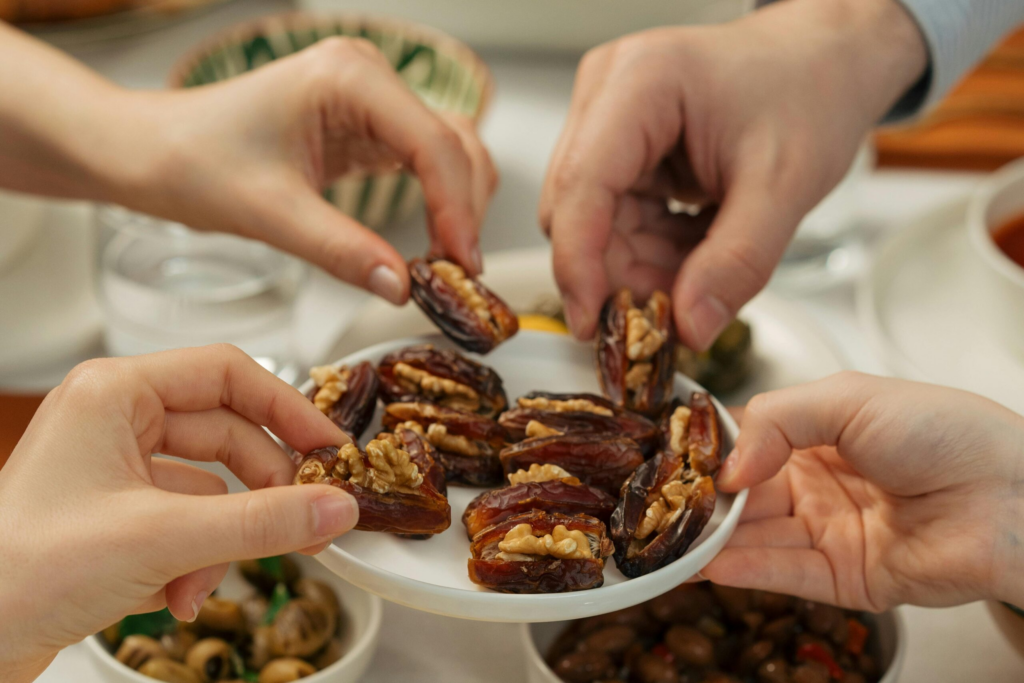
Healthy iftar guide tips are very useful for everyone in Somalia and across the world as we move into the middle of the holy month. After many hours without food or water it is very tempting to eat as much as possible as soon as the sun goes down but this usually leads to a heavy stomach and feeling very tired. A proper healthy iftar plan suggests starting your meal with just a few dates and a large glass of water to give your body a quick boost of natural energy and much-needed hydration.
Dates are perfect because they have fiber and minerals like potassium which help your muscles and nerves start working correctly after the long fast. By following a healthy iftar plan you can avoid the common mistake of drinking sugary sodas or eating deep-fried snacks which only make you feel bloated and thirsty later in the night. It is much better to take your time and let your stomach wake up slowly before you move on to the bigger plates of food on the table.
Read Also: Intermittent Fasting Benefits for Crohn’s Disease
When you are ready for the main course you should look at your plate and make sure it has a good balance of different food groups to keep you strong. A good healthy iftar plan will tell you to fill half of your plate with fresh vegetables or a colorful salad because these provide the vitamins you need to stay healthy. The other half of the plate should be split between lean proteins like grilled chicken or fish and some good quality starches that give you lasting energy.
This part of the healthy iftar plan is very important because if you eat too many simple white starches like white bread or white rice you will feel hungry again very quickly. Instead you should try to pick complex starches like brown rice or whole wheat pasta which digest slowly and keep you feeling full until it is time for the pre-dawn meal.
Choosing the best starches in your healthy iftar guide
A lot of people think that all starches are bad but the truth is that your body needs them for fuel especially when you are fasting every day. In your healthy iftar plan you should look for starches that are high in fiber like sweet potatoes or lentils because they help your digestion stay on track. If you are used to eating a lot of white rice try to mix it with some vegetables or switch to basmati rice which is a bit better for your blood sugar levels.
Following this healthy iftar guide doesn’t mean you have to give up your favorite traditional foods but it means you should be careful about how much you eat at one time. If you eat a small portion of starch with plenty of protein and greens you will find that you have much more energy for your evening prayers and family time.

Read Also: Chinese medicine for migraine: can it stop the pain?
Staying hydrated and other healthy iftar guide secrets
One of the most forgotten healthy iftar guide rules is to keep drinking water even after you have finished your main meal and are relaxing with your family. You should try to drink at least eight glasses of water between sunset and dawn to make sure your body is ready for the next day of fasting. This healthy iftar guide also recommends staying away from too much coffee or strong tea late at night because they can make you lose water faster and keep you awake when you should be resting.
If you feel like having something sweet try a piece of fruit like watermelon or an orange instead of heavy cakes or pastries that are full of white sugar. By sticking to these healthy fasting tips you are making an investment in your health that will make the rest of the month feel much easier and more spiritual.
It is also a good idea to try and walk for ten or fifteen minutes after you eat to help your body process the food and keep your blood sugar from spiking too high. This is a very simple part of the healthy iftar guide that anyone can do even if they just walk around their own home or garden for a bit.
If you feel very sleepy after eating it is a sign that you might have eaten too much or picked the wrong kinds of heavy foods for your first meal. Try to listen to your body and eat only until you feel satisfied rather than completely full so you don’t feel uncomfortable when you go to sleep. Every small change you make based on this healthy iftar guide will add up and help you finish the month of Ramadan feeling stronger and more energized than when you started.
Read Also: 49 Healthy Fasting Tips for Energy and Fitness
The goal of a healthy iftar guide is to help you enjoy the blessings of the month without the physical problems that come from poor nutrition. It takes a little bit of planning and discipline to change your habits but once you start feeling the benefits you won’t want to go back to the old way. Let this month be a time of healing for both your spirit and your body by choosing the best foods for your table every single night.