
Health security in Somalia is a very big topic that needs a lot of attention because the country has faced many challenges over the years. When we talk about this, we are looking at how the nation can handle things like disease outbreaks, hunger, and natural disasters. Because of long periods of conflict and many droughts, the systems that are supposed to keep people healthy are very weak. To make things better, the government and international groups need to work together more closely. Health security and crisis preparedness in Somalia depends on building strong hospitals and making sure that doctors have what they need to help patients in every city and village.
The current state of health security in Somalia
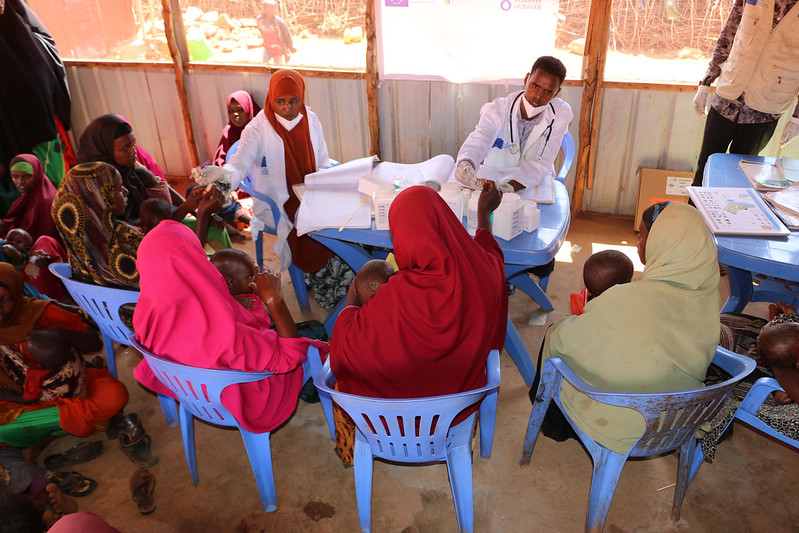
Right now, the situation is quite difficult for many families living in the region. Most of the clinics are in big cities like Mogadishu, but people living in rural areas have to travel for many hours just to see a nurse. This gap makes health security in Somalia very hard to achieve. If a new virus or a bad flu starts spreading, it is hard to catch it early because there aren’t enough laboratories to test people. We also see that many children do not get their basic vaccines, which makes them more likely to get sick during a crisis.
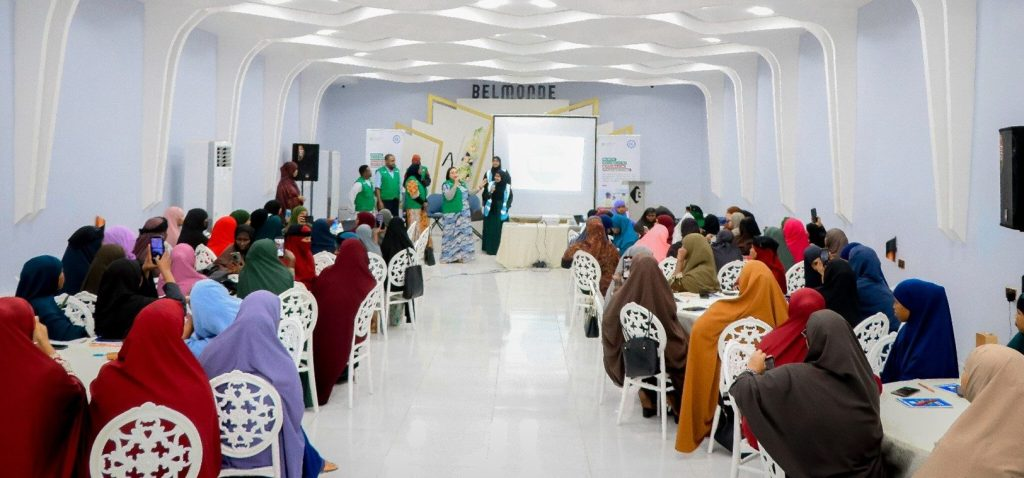
One of the main problems is money and resources. Without enough funding, it is impossible to buy the right medicine or pay the workers who are on the front lines. Improving health security in Somalia requires a steady flow of investment from both the local leaders and global partners. They need to focus on training more midwives and community health workers who can teach families about hygiene and clean water. Clean water is actually a huge part of being ready for an emergency because it stops diseases like cholera from spreading fast.
Challenges with climate and food supply
Another issue is the weather. Somalia has been hitting very hard by climate change lately. We see more floods and then very long dry seasons where nothing grows. When the crops die, people become malnourished and their bodies cannot fight off infections. This is why health security in Somalia must include food security too. You cannot have a healthy population if they are hungry all the time. The government needs to create a plan that links farming with health so that they are ready for the next big drought.
The role of local communities and communication
In addition to food and water, we have to look at communication. During an emergency, people need to know where to go and what to do. If there is no clear way to send out warnings, many people might get hurt or sick needlessly. Strengthening health security in Somalia means setting up radio programs or phone alerts that give people real-time advice. This helps build trust between the citizens and the health authorities, which is very important for any plan to work.
International organizations like the World Health Organization and UNICEF are doing a lot of work on the ground. They help provide kits for emergencies and train local staff. However, for health security and crisis preparedness in Somalia to be sustainable, the local systems must become independent. It shouldn’t just be about waiting for help from outside when a disaster happens. It should be about having a system that is always ready to react. This is the only way to save more lives in the long run.
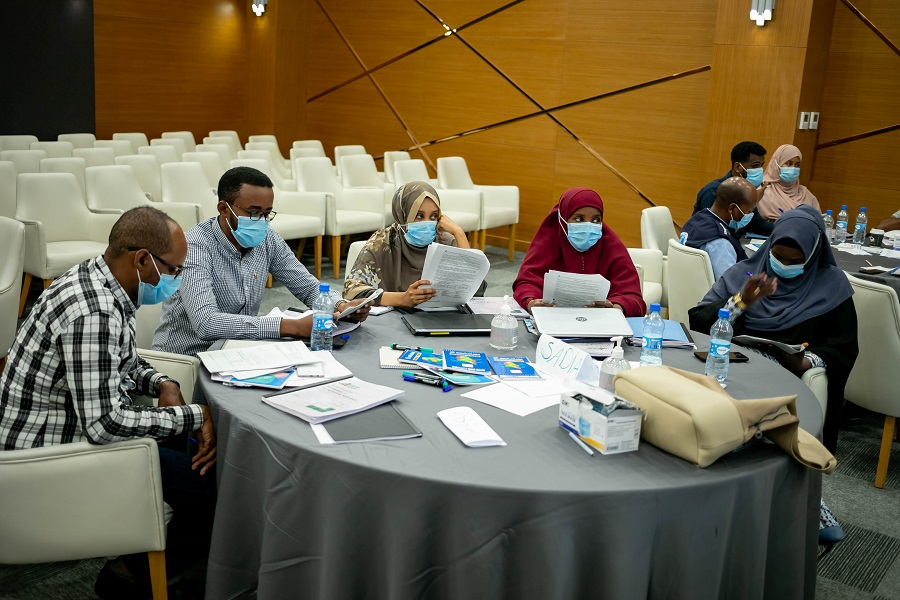
Building a better future will take time and a lot of hard work from everyone involved. We need to see more schools for nurses and better roads so that ambulances can reach people in need. When we focus on health security in Somalia, we are really talking about giving the next generation a chance to grow up safe and strong. If the foundations are laid today, the country will be much more resilient when the next challenge comes around.
Also Read: Natural Body Hydration: 12 Sources to Keep You Fresh Without Drinking Water
Success in health security in Somalia will eventually lead to a more stable country. When people are healthy and safe, they can work and go to school and build a better economy. It is all connected. We must keep pushing for better policies and more support for the health sector because every person deserves to have medical care when they are at their most vulnerable.