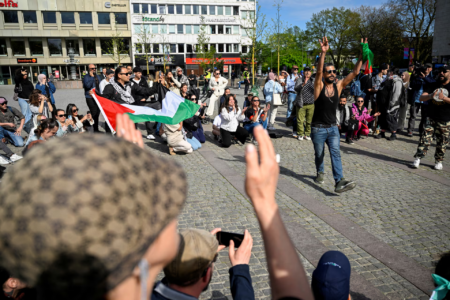


Somali community rights is the first thing many people think about after Trump said Somalis in the US should leave. The talk made many people confused and angry because they know Somalis built homes in America for more than thirty years. They work, study, pay taxes, raise kids and try to live normal lives like any other community.
This topic is not new but this time the voice was louder and pushed people to look again at Somali community rights in both the US and Somalia. Families in Minneapolis, Columbus, Seattle and other cities said they felt fear even if they did nothing wrong.
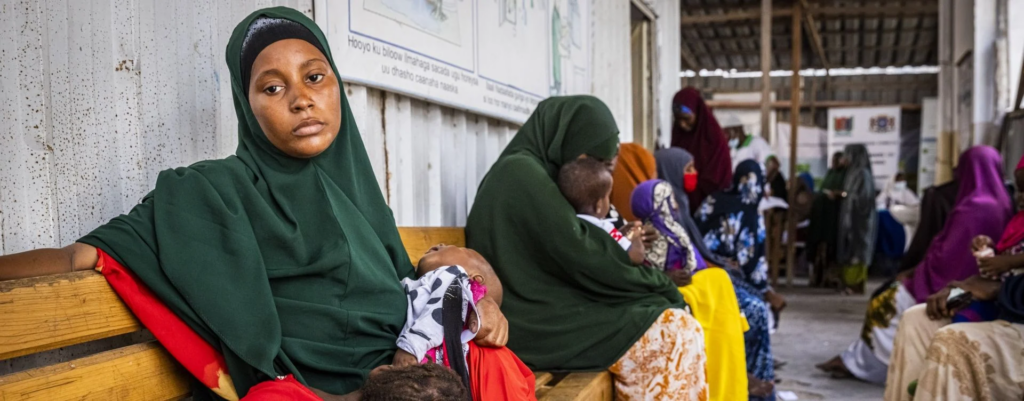
A closer look at Somalia today
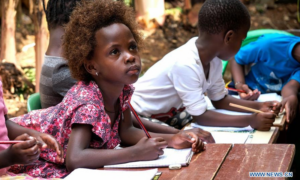
Somalia has changed a lot in recent years even if many outsiders still imagine it as a place only known for war or crisis. Cities like Mogadishu Hargeisa Garowe and Kismayo are growing with new businesses new roads and new schools. Young people start tech companies do creative work and join universities. Many families who left the country long ago still send money home because they believe Somalia is rising slowly. When the conversation about Somali community rights in the US started again people also wanted to explain that Somalia today is not the same Somalia from the old news.
There are problems yes but there is also progress that gets ignored. People wanted Americans to know that a Somali taxi driver in Minnesota or a Somali nurse in Ohio comes from a culture that values family work and community.
Somali community rights as a story of roots and identity
One important thing about Somali community rights is that the community is very connected even when living far away from Somalia. Parents try to teach their kids Somali language and traditions. They cook the same food they grew up with and celebrate weddings and Eid with the same songs and dances. When Trump said Somalis should leave many second generation youth said they felt targeted even though they only know America as home. This moment made Somali community rights a larger story about identity. Many said they should not have to choose between being Somali and American because they are both.
What triggers political attacks on immigrant groups
Sometimes political leaders choose a group to attack because it creates fear which can be used to get votes. This is not only about Somali community rights but about many other immigrant groups. Somalis are easy targets because not everyone understands their culture and many Americans do not have Somali friends so rumors spread fast. Communities said they are tired of being used in election seasons like talking points instead of being seen as humans with dreams and families.
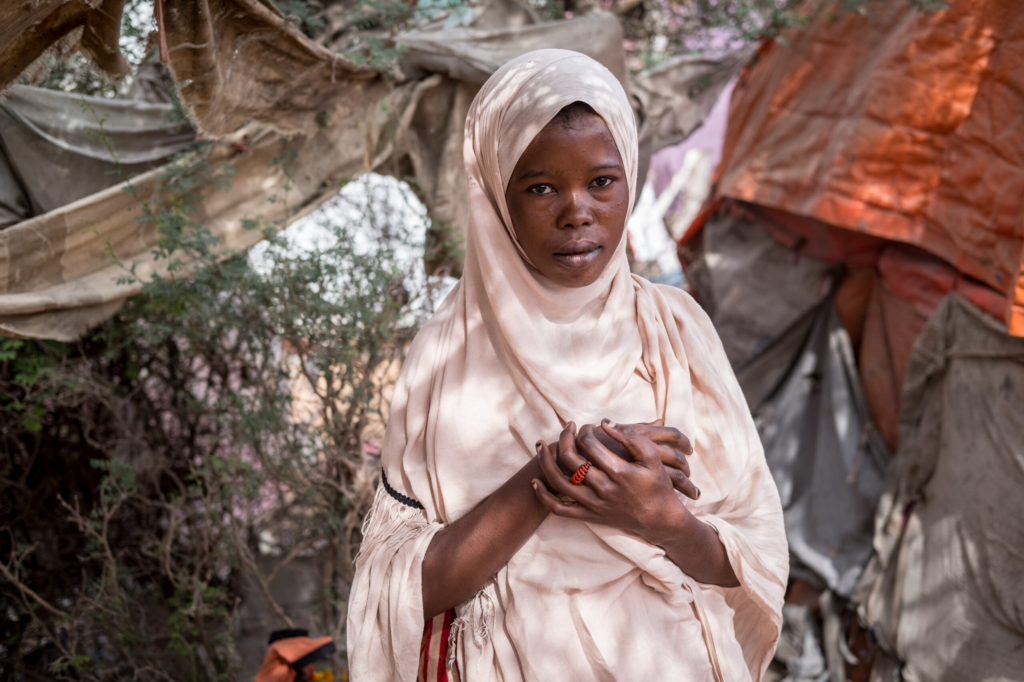
Somali community rights and the reality of daily life
Most Somalis in America live very normal lives. They open small shops drive trucks work in hospitals and send their kids to school. In places like Minneapolis the Somali community helps the local economy grow. Yet they still worry about hate crimes stereotypes and immigration rules. When political statements attack them these fears grow again. Talking about Somali community rights helps people understand that these families contribute just like anyone else. Teachers say Somali students work hard. Employers say they are loyal workers. Neighbors say they are warm and generous. But these stories rarely appear in national news.
Why this moment matters
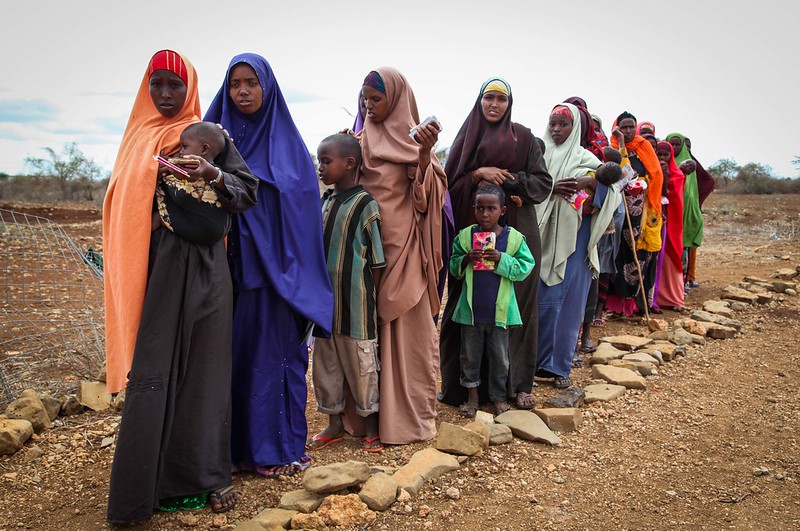
This latest debate about Somali community rights is not only about politics. It is about belonging. It is about whether people who left Somalia because of conflict can finally feel safe somewhere. Many Somali mothers said they came to America because they wanted peace for their children. So when they hear talk about sending them away they feel like the ground under them is shaking again. That is why they keep repeating the importance of Somali community rights. They want fairness respect and dignity.
Read Also: Somali immigrant rights at risk after Trump remarks?
Somali community rights and the future
Looking ahead Somalis say they will continue working studying and building lives in America. They know political comments come and go but their community stays strong. They hope that by talking more about Somali community rights people will understand them better and stop seeing them as outsiders. Many young Somalis already run businesses join universities and take part in local politics. They believe the future can be better if people listen and learn before judging.