



Ramadan hydration tips are very important for everyone because when you fast for many hours in the heat your body loses a lot of water and you can feel very tired and dizzy by the time the sun goes down. In 2026 the weather is getting warmer and this means we have to be extra careful about how we drink and eat after the Maghrib prayer to make sure we stay strong for the next day of fasting. These Ramadan hydration Guide are not just about drinking a huge bottle of water all at once when the call to prayer happens but it is about being smart and drinking small amounts slowly throughout the whole night. If you follow the right Ramadan hydration Guide you will find that you have more energy for your prayers and you won’t feel that heavy headache that many people get during the first week of the month. It is all about giving your cells what they need to stay alive and active while you focus on your spiritual journey with your family and your community.
Read Also: Healthy fasting tips to manage sugar during Ramadan
The Best Ramadan Hydration Tips for Your Iftar Meal
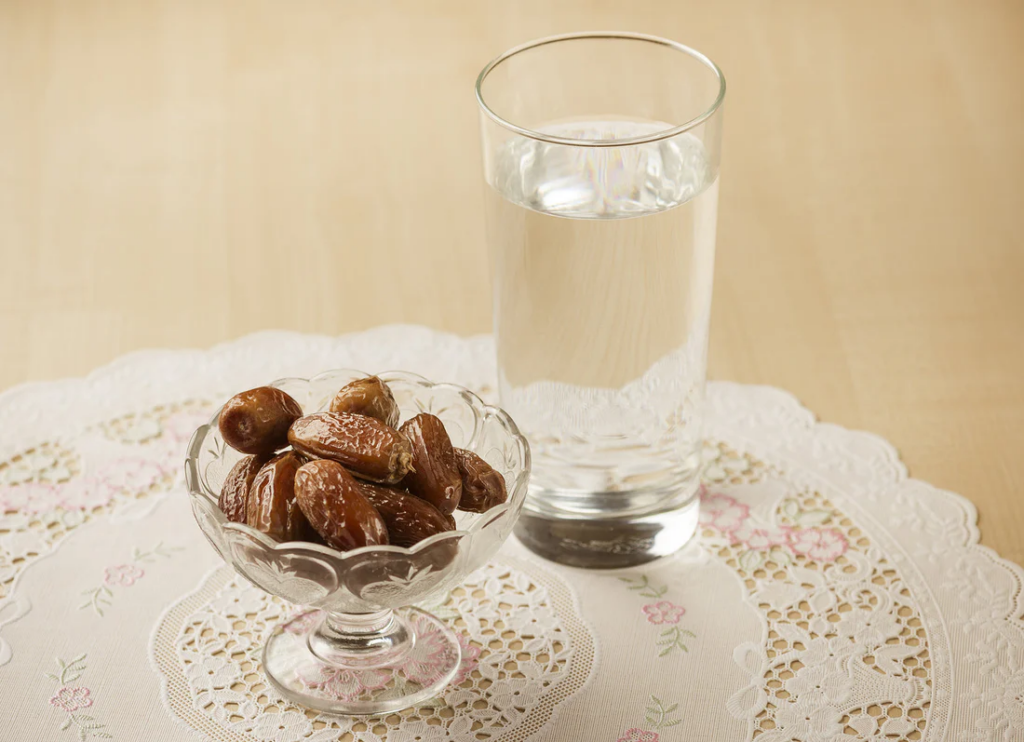
When you first break your fast it is very tempting to drink cold juice or soda but the best of all Ramadan hydration Guide is to start with a few dates and a small glass of room temperature water. Dates are great because they have natural sugars and potassium which help your body start absorbing the water much faster than if you just drank plain liquid alone. Another one of the key Ramadan hydration Guide is to eat a bowl of soup like lentil soup or vegetable soup because it gives you minerals and salt that your body lost while you were working or walking in the sun. You should also try to avoid eating too much fried food like samosas right at the beginning because salty and oily foods actually make you more thirsty and steal the moisture from your skin. If you stick to these Ramadan hydration Guide during the first hour of eating you will feel much lighter and your stomach will not be as upset as it usually is after a long day of fasting.

How to Use Fruits as Part of Your Ramadan Hydration Tips
Many people forget that we don’t just get water from a glass but we can get it from the food we eat especially the fresh fruits that are available in the market. One of the most effective Ramadan hydration tips is to eat plenty of watermelon cucumber and oranges during the hours between Iftar and Suhoor because these are almost 90% water. These fruits also contain vitamins that keep your immune system strong which is a big part of the Ramadan hydration Guide that doctors always tell us about in the clinics. Instead of having a heavy dessert full of syrup try having a fruit salad because it will keep you hydrated for a much longer time than a piece of cake would. This is a very simple way to follow the Ramadan hydration tips without feeling like you are forcing yourself to drink water every five minutes when you are already full from dinner.
Read Also: Ramadan food mistakes: why we feel tired after iftar
Staying Active and Following Ramadan Hydration Tips at Night
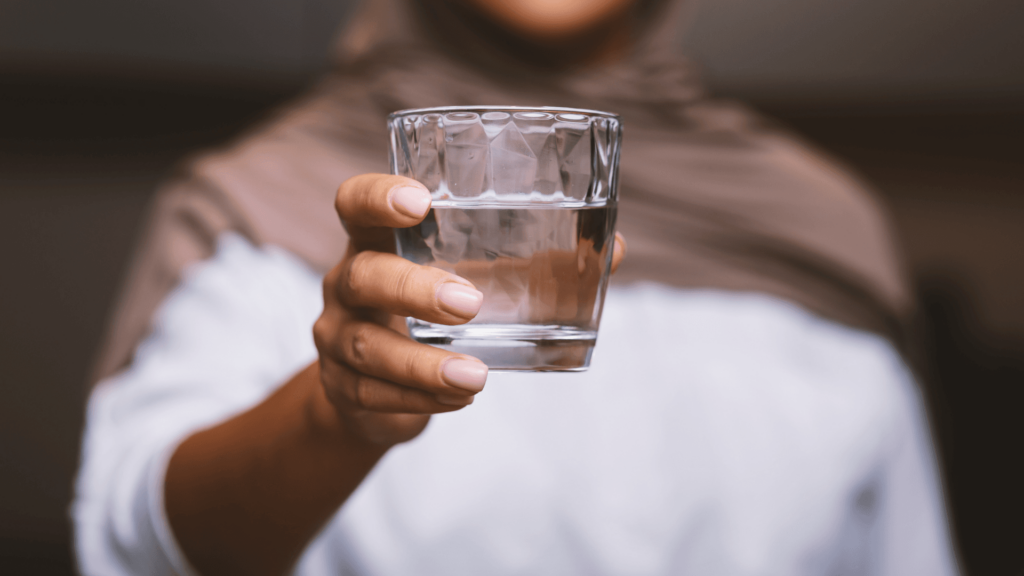
It is also a good idea to move your body a little bit after you eat but you have to be careful not to sweat too much and lose the water you just put back in. A short walk to the mosque for Taraweeh is one of the practical Ramadan hydration tips because it helps your digestion and keeps your blood flowing well. Make sure you carry a small reusable water bottle with you and take tiny sips every now and then which is better than drinking a liter in one go. If you are someone who loves tea or coffee you should try to have less of it because caffeine makes you go to the bathroom more often and that goes against our Ramadan hydration tips for staying moist inside. Try replacing your evening coffee with herbal teas like mint or ginger which are much better for your hydration levels and will help you sleep better too.
Final Thoughts on Suhoor and Keeping the Water Inside
The last meal before the sun comes up is the most important time to use your Ramadan hydration tips to prepare for the long day ahead of you. You should eat slow-digesting foods like oats or beans and drink at least two glasses of water during this time to make sure you have a “tank” of moisture ready. Avoid very salty cheeses or processed meats during Suhoor because they will make you feel like your throat is on fire just a few hours after the fast starts.
Read Also: Night Light Risk and the Power of Sleeping in Darkness
If you follow these ten Ramadan hydration tips carefully you will have a much more peaceful month and you will be able to focus on your worship instead of feeling thirsty all the time. Ramadan is a time for the soul but we must also respect the body that carries the soul by giving it the water it needs to stay healthy and bright.