


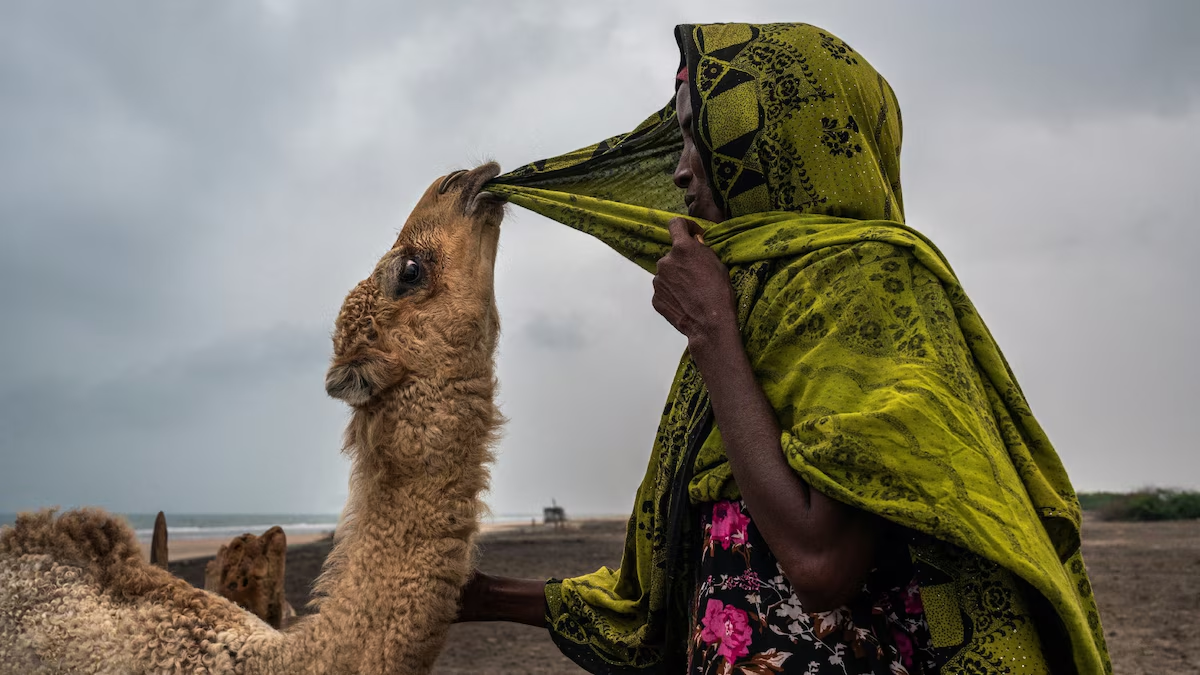
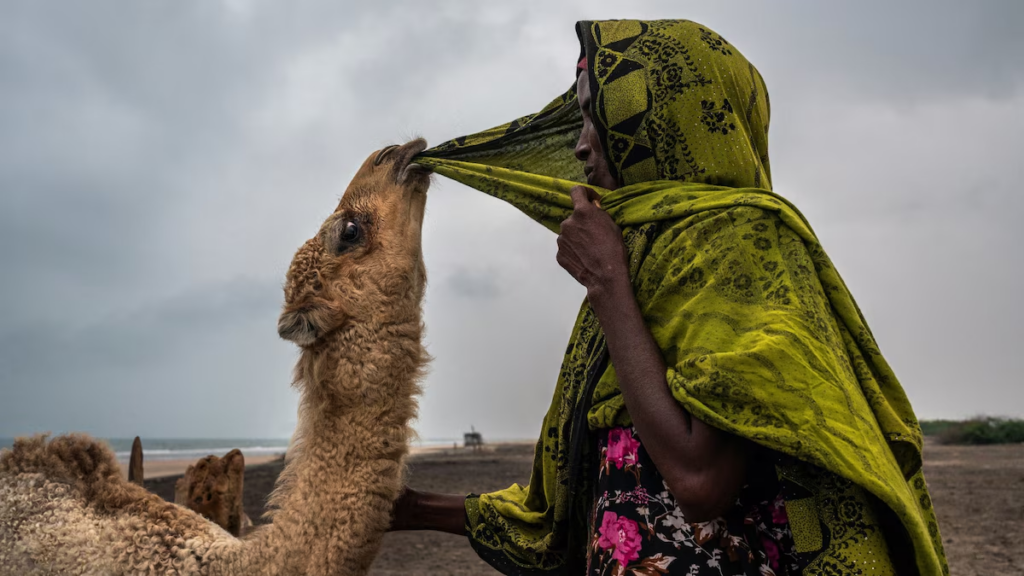
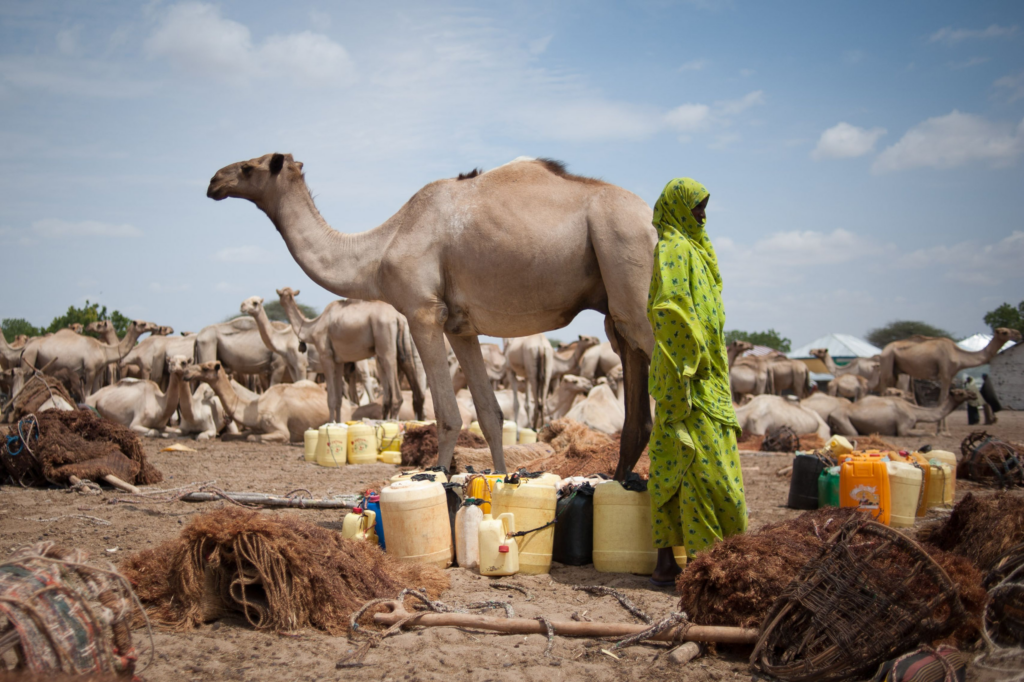
Somali camel herds are famous all over the world because Somalia actually has the largest population of these animals on the entire planet. Even though everyone knows they are important for milk and meat there are some very strange and cool things about them that even some locals might not realize. When you look at Somali camel you are looking at a biological masterpiece that has evolved to survive in one of the hottest places on earth without breaking a sweat. Literally they don’t sweat like we do which is just the first secret of how they stay alive.
Read Also: Somali mobile home, the perfect design for the land
Most people think a camel is just a simple farm animal but the Somali camel are actually highly intelligent and have a memory that can last for years. If a herder treats a camel badly the animal will remember his face and might even try to get revenge much later down the road. This deep personality is why the nomads respect them so much and treat them like members of the family instead of just livestock. Understanding the Somali camel means looking past the hump and the long neck to see the amazing science and culture behind them.
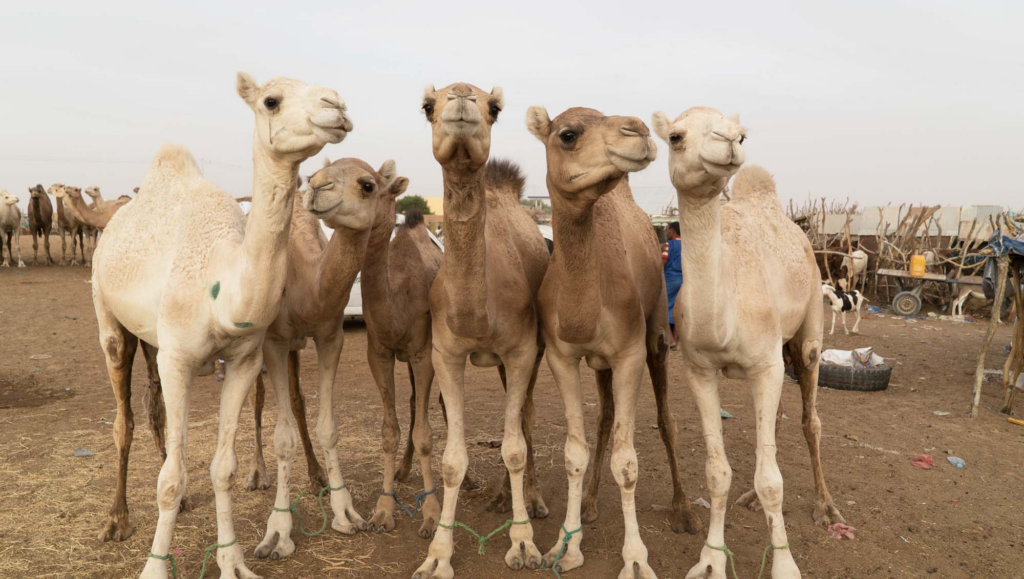
The Hidden Biology of Somali Camel Herds
One of the craziest things is that a camel doesn’t actually store water in its hump like a giant water bottle. The hump is actually made of fat and that fat is what the Somali camel use for energy when there is no food around for weeks. When the fat is burned it actually releases a little bit of water into the body as a byproduct which is a genius way to survive. This is somali camel herds at their best showing how nature can invent a battery and a water tank in the same place.
Another thing people don’t know is about their blood cells which are shaped like ovals instead of circles like ours. This unique shape allows the blood of the Somali camel to keep flowing even when it gets very thick from dehydration. Plus their blood can expand to a huge size when they finally find water and drink up to forty gallons in just a few minutes. This internal plumbing is somali camel herds secret weapon against the sun and it is why they can walk for hundreds of miles without stopping.
The Social and Economic Secrets
Did you know that there are special “camel songs” that have been passed down for generations? Each herder has a specific tune that his Somali camel herds recognize and they will only come to the water well when they hear that specific melody. It is like a biological password system that keeps the different groups of animals from getting mixed up in the desert. This musical connection shows that the Somali camel herds are deeply tuned into the human voice and the culture of the people who lead them.
Read Also: Somali Livestock Value Powers Somali Wealth
Also many people don’t realize that camel milk is actually a “superfood” that stays fresh much longer than cow milk in the heat. The milk from Somali camel herds is full of vitamin C and it doesn’t have the same sugars that make some people feel sick after drinking dairy. In the future this milk might be sold in fancy stores all over Europe and America because it is so healthy for you. The Somali camel herds are sitting on a gold mine of health benefits that the rest of the world is just starting to discover.
The Impact on Modern Technology
Even in 2026 scientists are studying the skin and the hair of the Somali camel herds to figure out how to make better cooling materials for space suits and desert gear. The way their fur reflects the sun while keeping the heat away from the skin is better than almost any fabric humans have ever made. By looking at Somali camel herds we are learning how to build a more sustainable future in a world that is getting hotter every year.
Read Also: How Somali Sea Traditions Shape Coastal Life and Make a Comeback
The last thing is that camels are actually very clean animals and they have a very complex way of communicating with each other using sounds that humans can barely hear. They are not just “ships of the desert” but they are the silent partners in a civilization that has survived for thousands of years. The more we learn about Somali camel herds the more we realize how much we still have to discover about these incredible creatures.