
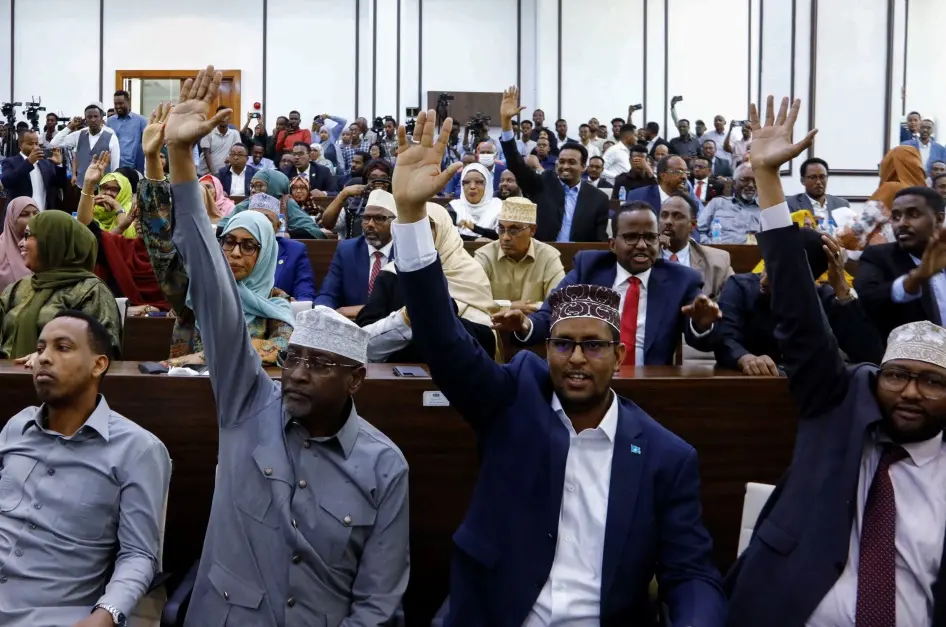
Somali constitutional debate is the only thing people are talking about in the tea shops of Mogadishu and the offices of the regional states right now. This follows the recent move by the federal government to pass a permanent set of laws after years of using a temporary version which was supposed to bring everyone together. Instead this Somali governance debate has turned into a very loud argument because many leaders in places like Puntland and Jubaland feel they were left out of the process entirely.
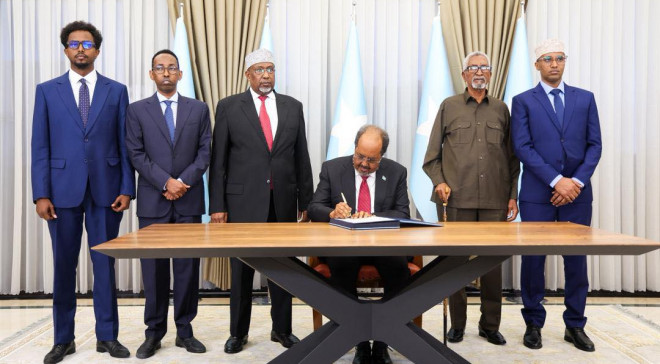
They say that President Hassan Sheikh Mahmoud is trying to rewrite the rules of the game just to make sure he can stay in power for much longer than the current law allows. It is a very tense moment because in a country like Somalia when the leaders in the capital and the leaders in the regions stop talking to each other the whole security of the nation can start to shake.
Read Also: Somali Term Extension and the Nation’s Next Steps
Why the Somali constitutional debate is dividing the regions
The core of this Somali governance debate is the switch from a system where the parliament has the most power to a system where the president is the boss of everything. Critics of the government say this is a huge mistake because it takes away the balance that was supposed to prevent any one person from becoming a dictator again. During the Somali governance debate the opposition leaders argued that this change gives the president too much control over the money and the military which are the two most sensitive things in the country. On the other side the supporters of the president say the old system was broken and always stuck in a stalemate so they need a strong leader to actually get things done for the people.
Read Also: African Force Visit: Commander Tours Freed Middle Shabelle
Another big part of the Somali constitutional debate is the serious accusation that money was used to influence the members of parliament during the voting session. Some politicians are claiming that bribes were handed out in secret to make sure the amendments passed without any real resistance from the lawmakers. While the government says these stories are just lies made up by losers it adds a lot of suspicion to the Somali constitutional debate and makes regular citizens wonder if their voices actually matter. In a place where trust is already very low these kinds of rumors can spread like wildfire and make it impossible for the different sides to sit down and have a real conversation about the future.
- System Change: Moving from a parliamentary setup to a strong presidential one.
- Regional Outcry: States like Puntland refusing to recognize the new document.
- Financial Integrity: Doubts about how the votes were secured in the capital.
- Centralization: Fears that the capital will take all the resources from the outskirts.
- Future Elections: Uncertainty about how the next vote will be organized under these rules.
The impact of the Somali constitutional debate on national security
We also have to think about the timing of this Somali constitutional debate because the country is still fighting a very hard war against extremist groups in many areas. When the political leaders are busy fighting each other over the Somali constitutional changes it distracts them from the mission of keeping the people safe from violence. Many elders are worried that if the regional states decide to stop cooperating with Mogadishu because of this Somali constitutional debate then the security forces will be divided and weak. This is a very dangerous scenario that could undo all the progress that has been made over the last few years to stabilize the towns and the villages.
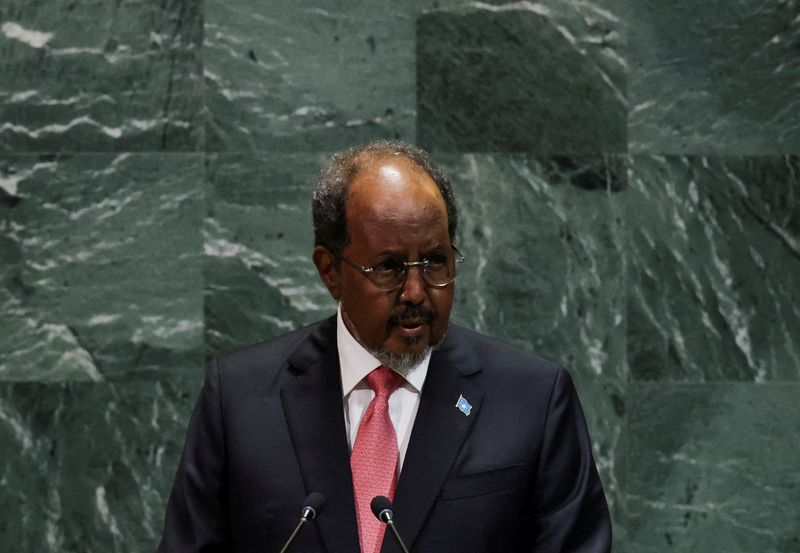
The international community is also watching the Somali constitutional debate with a lot of concern because they have spent billions of dollars to help build a democratic system. They want to see a consensus where everyone agrees on the rules before they are set in stone but right now it looks like the rules are being forced on the people. If the Somali constitutional debate doesn’t end with a compromise we might see a return to the days of political boycotts and even more division between the tribes. Everyone wants a permanent constitution but nobody wants one that only serves the interests of a few people living in the big villas in the capital city.
Read Also: East Africa swearing: Why New Representatives Matter
The Somali constitutional debate shows that the path to a peaceful country is still very long and full of many holes. It is not enough to just pass a law on a piece of paper if half the country says they will not follow it. The president needs to reach out to his rivals and find a middle ground so that the Somali constitutional debate can finally lead to a real peace that lasts for decades. If they keep pushing without a consensus they are just building a house on sand and we all know what happens to a house like that when the storm comes.