

Somali handicrafts tradition is more than pretty things to sell; it’s the heartbeat of a people who kept beauty alive through war, drought, and exile. From woven baskets that hold camel milk to silver jewelry that tells clan stories, Somali handicrafts is what grandmothers pass to granddaughters when everything else is lost.
The 6 Most Loved Pieces of Somali Handicrafts Tradition
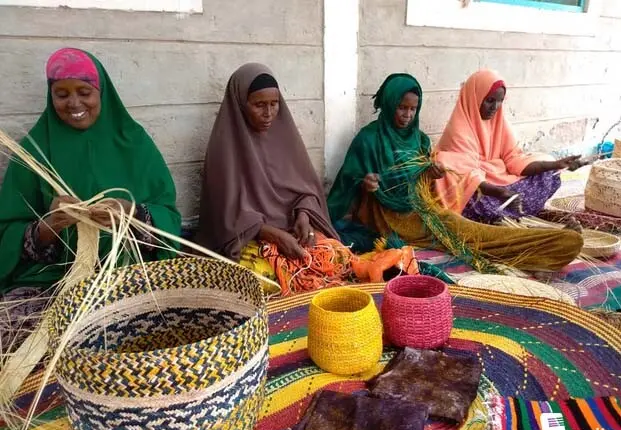
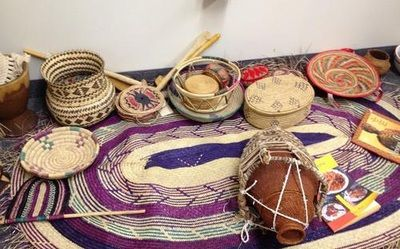
- The woven basket every nomad girl learns first Called “masafo” or “qurbo joog,” these tight coils of palm leaf and grass keep water cool and grain safe. Colors come from natural dyes – red from henna, yellow from turmeric. A good basket lasts 20 years and gets handed down like treasure. Somali handicrafts starts with these round, strong hands of home.
- Carved wooden headrests that protect hairstyles and dreams Men sleep on “barkin” – small wooden pillows carved with geometric patterns so their oiled hair stays perfect. Some are 100 years old, smooth from generations of heads. Somali handicrafts tradition turns even sleep into art.
- Silver jewelry that speaks without words Heavy necklaces, ankle bracelets, and nose rings made by Benadiri and Reer Hamar silversmiths. Each pattern means something – fertility, protection, clan pride. A bride wears kilos of silver on her wedding day. Somali handicrafts tradition wears its history around the neck.
- Hand-knotted prayer mats with stories in every thread Women in Hargeisa and Borama weave cotton mats with camel motifs, stars, and Quranic verses in bright colors. They pray on them, then roll them up for the next move. Somali handicrafts prays five times a day on art made by loving hands.
- Leather sandals that walk the desert for decades Called “kabo,” made from cow or camel hide, stitched with goat sinew. Simple, tough, beautiful. A good pair lasts ten years and molds to your foot like family. Somali handicrafts tradition walks long roads with quiet pride.
- Incense burners that fill homes with frankincense and memory “Dabqaad” – clay or stone burners carved with flowers and geometric lines. Women light myrrh and frankincense every evening, smoke curling like stories told again. handicrafts tradition smells like childhood and safety.
How War Tried to Kill Somali Handicrafts Tradition – And Failed
In the 1990s bombs fell on markets, silversmith shops burned, weavers fled with nothing. But mothers carried patterns in their heads. In refugee camps in Kenya they taught daughters to weave with whatever grass grew. In Minneapolis and London today, Somali women sell baskets online that pay school fees back home. handicrafts tradition survived because it lives in women’s fingers, not in buildings.
The Young Hands Keeping It Alive
Today girls in Mogadishu learn basket weaving from YouTube and grandmas at the same time. Boys in Hargeisa carve headrests with power tools but old designs. A cooperative in Garowe trains 200 women a year, selling to Dubai and America. One 22-year-old in Borama started a TikTok showing how to make dabqaad – now 300,000 followers watch every video. handicrafts tradition isn’t dying; it’s dancing on new stages.
Why It Still Matters
These crafts pay bills when jobs are scarce. A good weaver earns more than a teacher. They keep culture breathing when kids speak English before Somali. When a diaspora girl wears her grandmother’s silver to graduation, she carries 400 years in her ears. Somali handicrafts tradition tells the world: we were traders of beauty long before we were headlines of war.
Walk into any Somali home anywhere on earth and you’ll see it: a masafo on the wall, a barkin by the bed, a dabqaad smoking quietly smoking. Somali handicrafts tradition isn’t museum stuff. It’s dinner, prayer, sleep, love – all wrapped in things made by hand and heart.
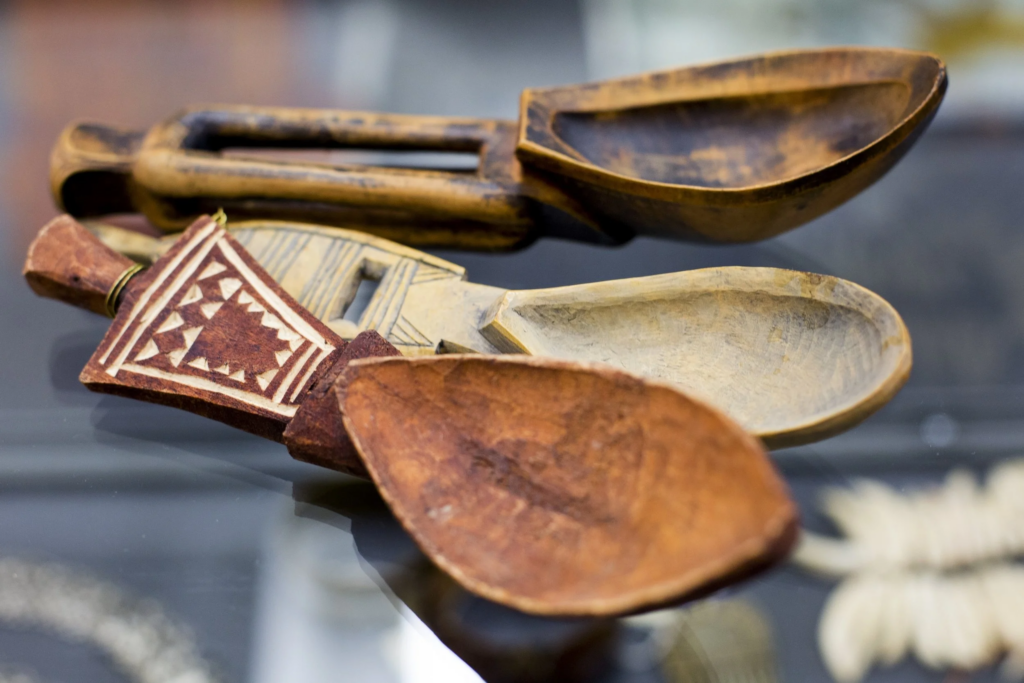
Six beautiful pieces, one quiet truth: Somali handicrafts tradition is how a scattered nation still holds hands across oceans and years.
Read Also:6 Stunning Secrets Mogadishu Historic Architecture Keeps From the World
Keep weaving. Keep carving. Keep passing it down. Because when the hands stop, the soul gets quiet.