

Somali Musical Instruments are very special because they tell the story of a people who have lived as nomads and traders for thousands of years. When you listen to the music from the horn of Africa you can hear the history of the land and the wind and the animals in every sound.
These tools were made from what the people found around them like wood from the trees and skins from the goats or camels. Somali Musical Instruments are not just for fun but they are used in big ceremonies like weddings and when the warriors come back from a journey.
Most people in the west might not know their names but for a Somali person these sounds are like the heartbeat of their culture. Even today with all the modern electric guitars the old ways of making music are still very important in the villages and the cities.
The famous woodwind Somali Musical Instruments
One of the most important things to talk about is the Shareero which is like a lyre that has five or six strings and makes a very soft and beautiful sound. This is one of the oldest Somali Musical Instruments and it was often played by poets while they were reciting their long stories about love and war. Another one is the Seer which is a simple flute made from a hollow branch that the shepherds use while they are watching their animals. They play it to keep themselves busy and sometimes the animals actually follow the rhythm of the music across the grass. These Somali Musical Instruments are very light so the people can carry them easily when they move from one place to another looking for water.
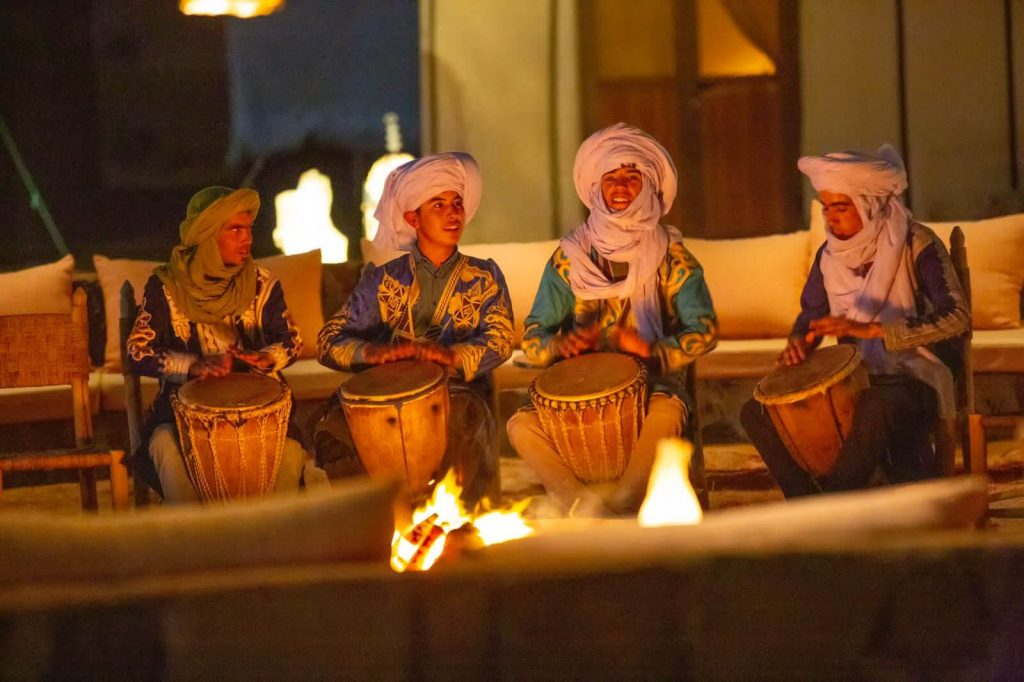
The rhythm of the drums and percussion
You cannot have a party in Somalia without the sound of the drums which are called Durbaan and they come in many different sizes. These are essential Somali Musical Instruments that provide the heavy beat for the traditional dances that everyone does together in a big circle. The drum is usually made from a hollow log with a goat skin stretched very tight over the top so it makes a loud noise when you hit it with your hands. During the night you can hear these Somali Musical Instruments from far away and it tells everyone in the area that there is a celebration happening nearby. The rhythm is very fast and it makes your feet want to move even if you are tired from working all day in the sun.
Horns and other unique sounds
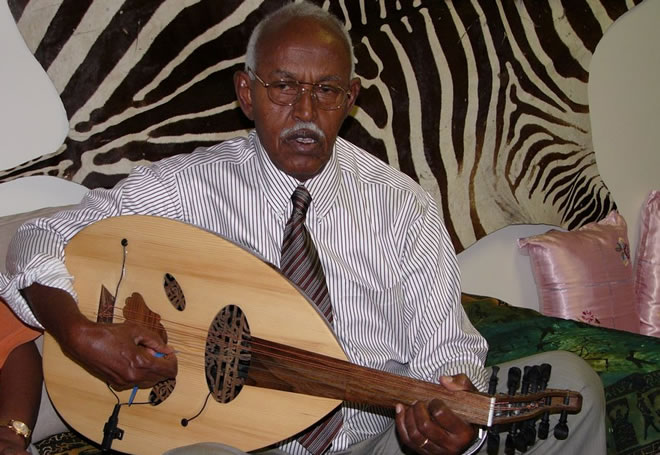
The people also use animal horns called Antuuf to make loud calling sounds that can be heard across the long plains of the desert. These are very powerful Somali Musical Instruments that were used in the past to give signals during times of danger or to call the community together for a big meeting. There is also a small instrument called the Kaban which is like an oud and it became very popular in the cities after the people started trading with the Arabs. While it is more modern than the flute it is now considered one of the main Somali Musical Instruments for the famous songs you hear on the radio. It has a deep and sad sound that is perfect for the poems about the history of the nation and the beauty of the landscape.
When you look at these tools you see the smart ways the people used nature to express their feelings and their identity. Somali Musical Instruments are a bridge between the past and the present and they show that the spirit of the nomads is still alive. Many young people are now trying to learn how to play these old songs so that the knowledge does not disappear in the world of computers and pop music. It is a very proud thing to see a young man or woman holding a drum or a flute and playing the same notes their grandfather played. These Somali Musical Instruments are the true treasure of the country and they belong to everyone who loves the culture.
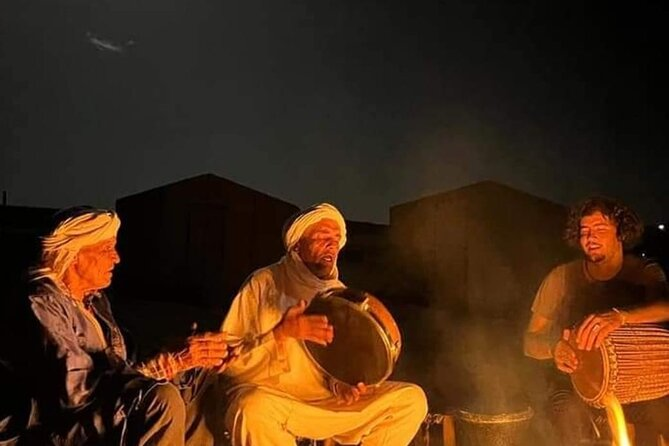
The making of these items is also an art that is passed down from father to son in the small workshops in the markets. A man might spend a whole week carving the wood for a Shareero to make sure it sounds just right for the musician. This connection between the maker and the player is part of why the music feels so real and honest to the listeners.
Using Somali Musical Instruments is a way of keeping the language and the stories alive for the kids who are growing up today. We should always respect the people who keep these traditions going because they are saving the soul of the people.
Also Read: 5 Things You Never Knew? Somali Coastal Memory and the Deep Blue Sea
To put a final word on this it is clear that the heritage of the nation is safe as long as the music is playing. Somali Musical Instruments carry the memories of the ancestors and the hopes of the new generation in every vibration of the strings. We should all value these ancient tools because they represent a history that cannot be written in books alone. When the drum beats and the flute sings it reminds us that the culture is strong and beautiful. These sounds will always be the pride of the people and the voice of the land for many years to come.