



Somali Social Bond is not something you find only in history books or at a museum but it is something you feel every time you walk into a house where the smell of incense called unsi is in the air. In 2026 the way people live their culture is about the small things like how a neighbor will never let you eat alone or how the youth still use proverbs to explain their feelings. This Somali Social Bond is built on the idea that no one is an island and that your family includes your cousins and even the people who live on the same street. If you go to a tea shop in the afternoon you will see men sitting together for hours drinking sweet spicy tea and talking about everything from the price of camels to the newest tech apps. This Somali Social Bond is what kept the country together during the hard years because when the government was not there the people still had each other. It is a living tradition where respect for the elders is the first rule of the day and hospitality is not a choice but a duty that every person carries in their heart.

The way we eat is also a big part of the Somali Social Bond because we almost never use a table and chairs when we are at home. Instead we sit on the floor around a large plate of rice and meat called bariis iyo hilib and we share the same meal using our right hands. This Somali Social Bond grows when you share your food because it shows that you trust the person next to you and that you are equals. Even in 2026 when many young people are busy with their phones and their jobs they still make sure to come home for the big family lunch. You will often see a banana placed on the side of the plate because in our culture a meal is not complete without that bit of sweetness. This Somali Social Bond through food is how we welcome strangers and how we celebrate weddings where the women dance the buraanbur and the men do the dhaanto under the stars.
Ways the Somali Social Bond Lives in Every Home
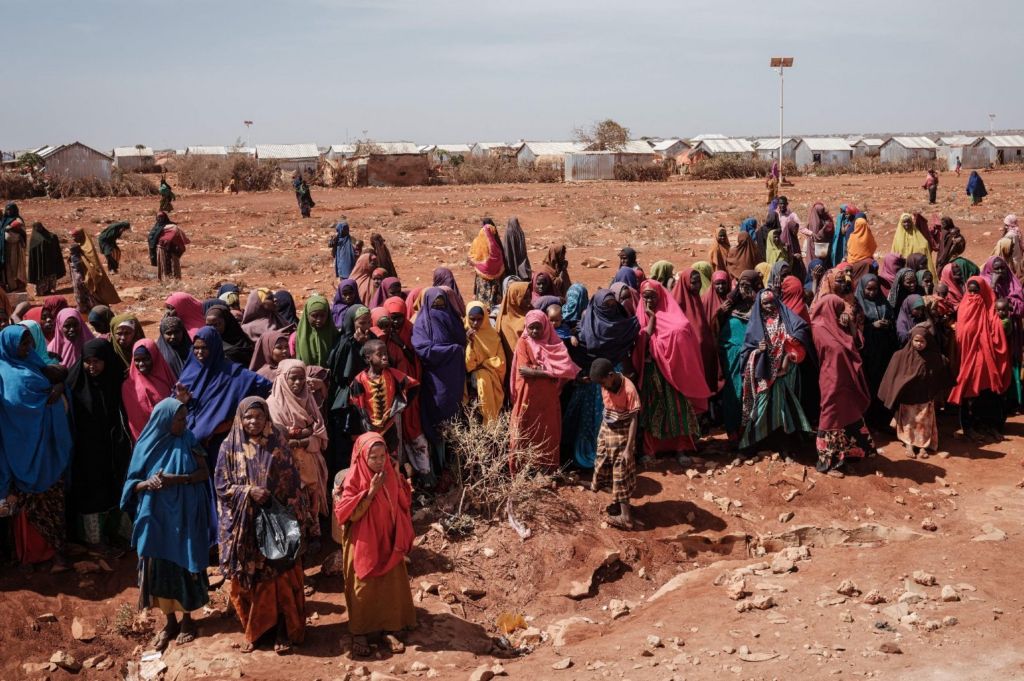
First the Somali Social Bond is visible in the way we greet each other with a long list of questions about the health of the parents and the children. Second you can see the Somali Social Bond in the “Ayuto” system where women pool their money together to help one person start a business or fix their house. Third the Somali Social Bond is kept alive through the oral poetry that people still recite at night which tells the stories of bravery and love from the old days.
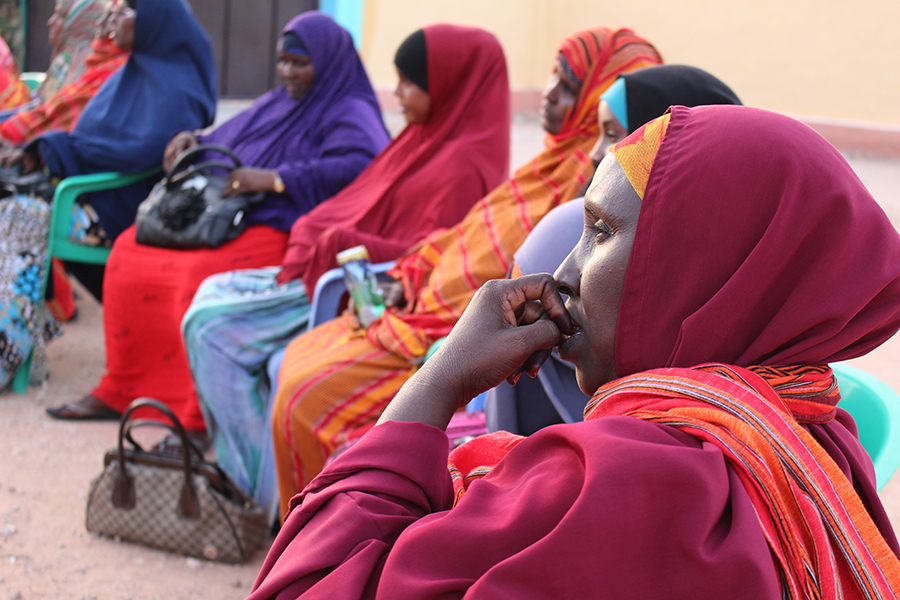
Fourth the Somali Social Bond is present in the “macawiis” and the “dirac” that people wear which are clothes that make us feel connected to our ancestors. Fifth you will notice the Somali Social Bond in the way people stop everything they are doing when it is time for prayer showing that faith is the glue that holds the society together. Sixth and finally the Somali Social Bond means that if someone in the community is sick everyone will visit them and bring food showing that no one has to suffer alone in 2026.
The Future of the Somali Social Bond in the Digital Age
As the world changes and more people move to the big cities like Mogadishu or Garowe the Somali Social Bond is adapting to the new world. We see young people using WhatsApp groups to stay in touch with their relatives in the diaspora which is just a modern way of keeping the Somali Social Bond alive. Even though they might be wearing jeans and listening to global music their values are still rooted in the hospitality and the kindness that they learned from their grandmothers. The Somali Social Bond is not a static thing but a flexible force that allows our culture to survive anywhere in the world. Whether it is in a small village or a high-rise apartment in London the Somali Social Bond remains the heartbeat of our identity.
Read Also: Somali Marriage Customs: 5 Things You Didn’t Know About Traditional Somali Marriage
We realize that the true culture of Somalia is found in the smiles of the people and the way we help each other without being asked. The Somali Social Bond is our greatest strength and it is what will lead us into a peaceful and prosperous future in the years to come.