
Somali wedding customs are the most beautiful part of our culture because they bring everyone together in a big way. When a man and a woman decide to get married it is not just about them but it is about two families coming together to be one. In the beginning the groom’s father and some elders go to the bride’s house to ask for her hand in marriage formally. This is a very respectful tradition where they talk and get to know each other better. People really value these Somali wedding customs because they show how much we care about our roots and our parents’ blessings.
Read Also: Somali blood bond: family is everything in our culture
Why Somali wedding customs are special
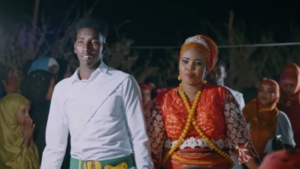
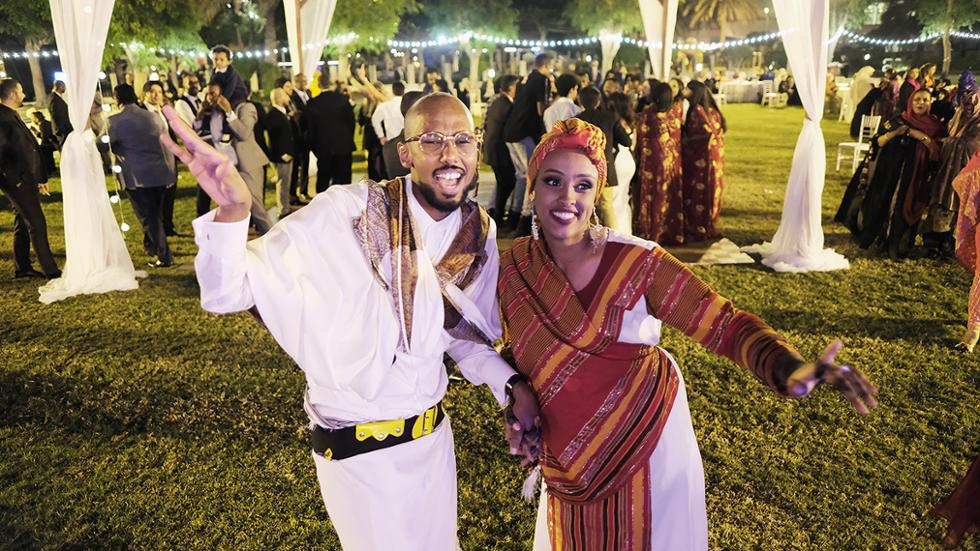
The celebrations are full of life and color and they can last for many days depending on the family. One of the biggest parts of the Somali wedding customs is the food and the dancing. We cook big plates of rice and meat like camel or goat to feed all the guests who come from far away. Everyone wears their best clothes like the beautiful Dirac for women and the Macawis for men. You can hear the music from far away and the women do a special sound with their mouths called Uululoo to show they are happy. These Somali wedding customs make sure that the new couple feels supported by their whole community.
Before the big party there is a night called the Xenna night where the bride gets her hands and feet decorated. This is a time for the women to sit together and sing songs and give advice to the bride about her new life. The patterns of the henna are very detailed and look like flowers or stars. It is one of the Somali wedding customs that has been passed down for hundreds of years from grandmothers to daughters. While the women are doing this the men might be in another place talking and eating and planning for the big day.
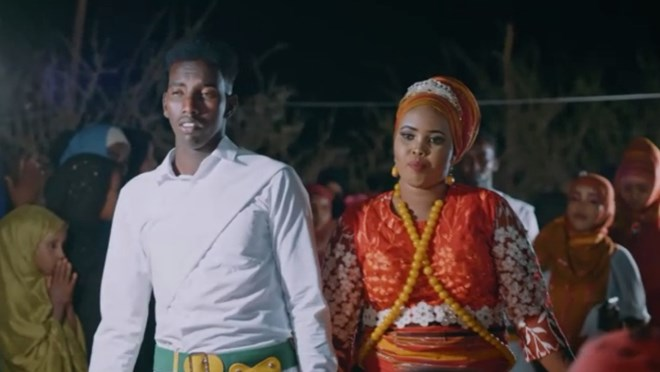
The dowry is also a very important thing to talk about during the wedding process. Usually the groom gives a gift to the bride’s family which could be money or livestock like camels in the countryside. This gift is part of the Somali wedding customs to show that the man is ready to take care of his new wife and provide for her. It is not just about the money but it is about the promise and the contract between the two families. Even if people move to other countries like the US or Europe they still try to keep these Somali wedding customs alive because it keeps them connected to their home.
Read Also: Somali craft art: Why handmade traditions still matter
During the actual ceremony which is often the Nikkah the religious leader comes to make the marriage official. It is a very serious but happy moment where the groom and the bride’s father agree to the marriage. After this part is done the big party starts with a lot of traditional dancing like the Dhaanto. You will see young and old people dancing together and singing about the history of the people and the love of the couple. The Somali wedding customs are designed to make sure that the joy is shared by every single person in the neighborhood.
Sometimes the wedding can last for seven days and this is called the Todobax. During this week the couple stays together and friends come to visit them with gifts and more food. It is one of the most relaxing Somali wedding customs because it gives the new husband and wife time to settle into their new home. They receive many things for their house like rugs or kitchen tools from their cousins and aunts. The whole neighborhood helps the new family start their life without having to worry about anything.
Read Also: Somali cultural unity and the power of shared identity
It is amazing to see how the Somali wedding customs stay the same even when the world changes so much. Even with modern phones and new ways of life the core of the celebration is still about family and respect and faith. When you attend a wedding you really feel the spirit of the people and how much they love their heritage. If we did not have these Somali wedding customs we would lose a big part of who we are as a society. Every time a new couple gets married we celebrate the past and the future at the exact same time.