
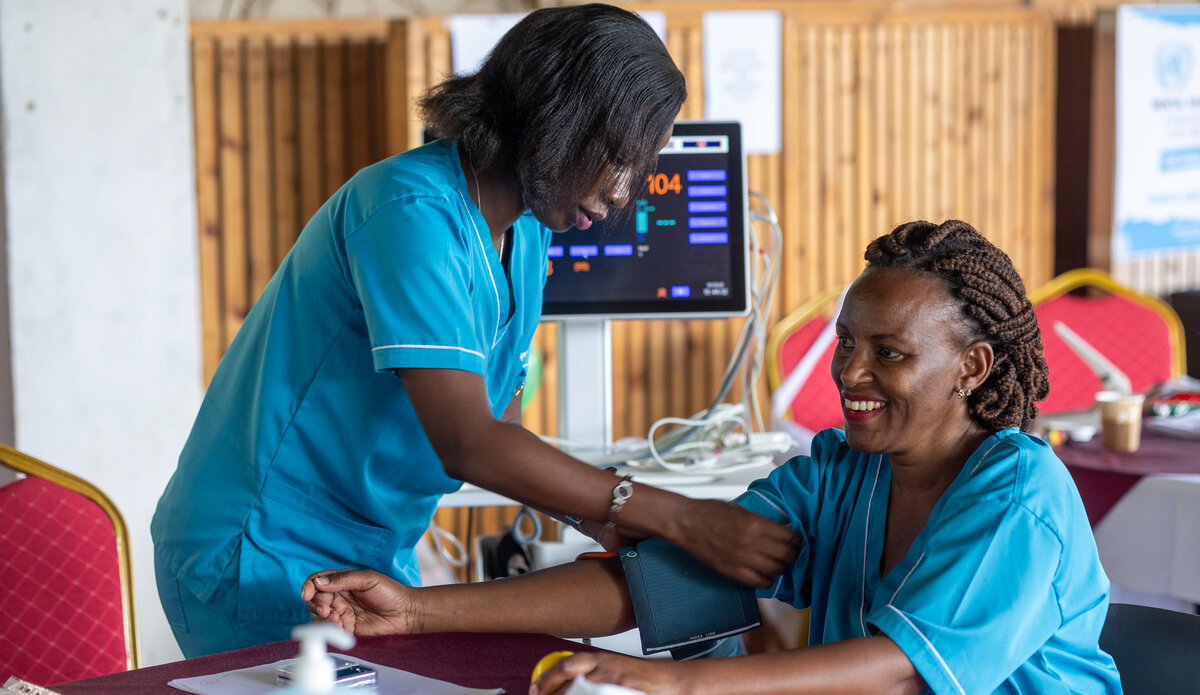
Mental health support in Somalia is something that many people do not talk about openly because of the culture and the long history of conflict in the country. For decades, young people have grown up seeing violence, losing family members, and living in poverty. These things leave deep scars on the mind that are not easy to heal. Even though the war has slowed down in some areas, the trauma stays with the youth and affects how they live their daily lives.
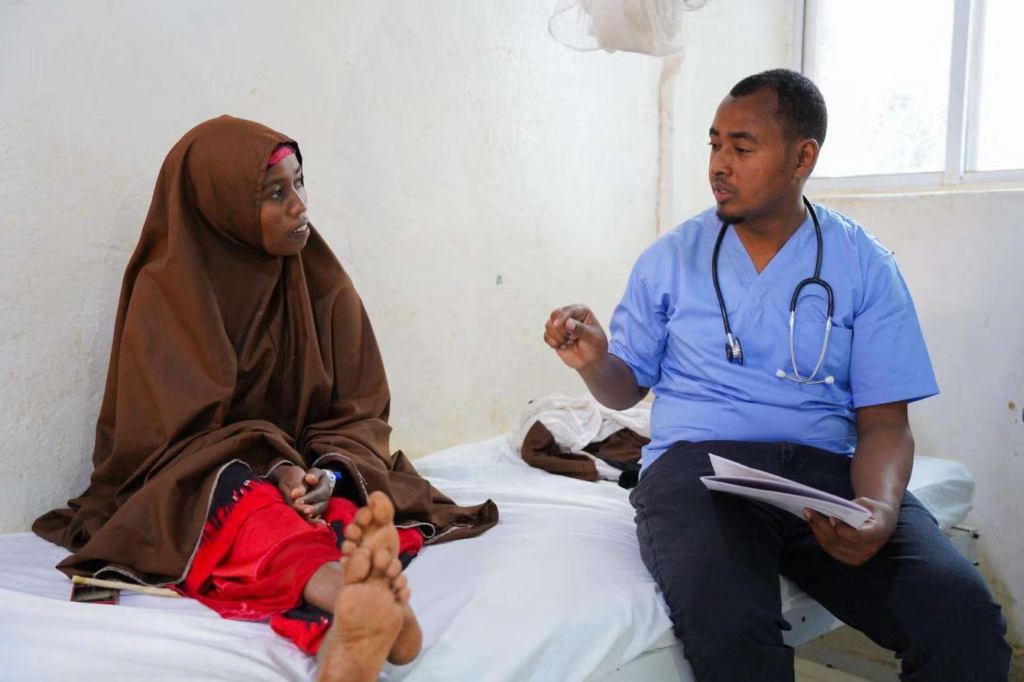
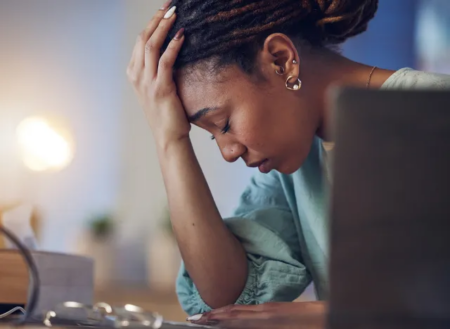
The biggest problem right now is that there are almost no places for a young person to go if they feel depressed or anxious. In many cities, you might find a big hospital for physical injuries, but mental health support in Somalia is usually forgotten or given a very small budget. There are only a few qualified doctors for millions of people. This means if a teenager is struggling with their thoughts, they often have to suffer in silence because their parents or friends do not understand what is happening to them.
Barriers to Mental Health Support in Somalia
One of the main reasons for this crisis is the heavy stigma attached to mental illness. In many Somali communities, if someone says they are struggling mentally, people might think they are “crazy” or possessed by spirits. This makes young people afraid to ask for help. They worry that their neighbors will judge them or that they will never find a job or get married if people know they have a mental health issue. Because of this, mental health support in Somalia becomes a hidden need that nobody wants to address out loud.
Another huge factor is the lack of money and resources from the government. Most of the funding for health goes to things like vaccines or emergency surgeries. While those are important, the brain is just as important as the body. Without proper mental health support in Somalia, young people often turn to bad habits like using drugs, specifically Khat, to numb their pain. This creates a cycle where the youth cannot finish school or contribute to the economy because they are mentally unwell and have no guidance.
The impact of this neglect is visible every day. You see young men and women who have so much potential but are stuck in a dark place. Many of them feel hopeless about the future. They see the lack of jobs and the constant insecurity, and without mental health support in Somalia, they feel there is no way out. This hopelessness is dangerous because it can lead to more violence or people joining extremist groups just to feel like they belong somewhere.
To fix this, we need to change how we think about health. We need to train more local counselors who speak the language and understand the culture. We also need to teach parents that mental health is a real medical issue, not a sign of weakness. If we invest in mental health support in Somalia, we are actually investing in the future of the nation. A healthy mind is what allows a person to build a business, raise a family, and lead a community.
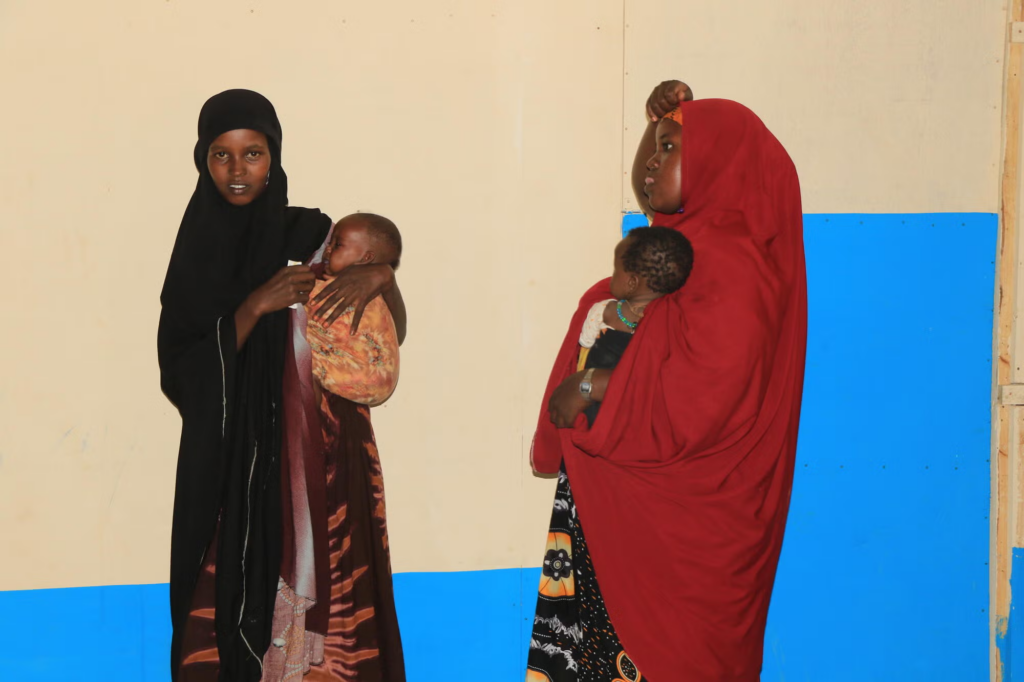
Schools should also play a part. Since most Somali people are young, putting counseling services in schools would be a great way to reach them early. If a child gets mental health support in Somalia before their problems become too big, they have a much better chance of living a happy life. It is not just about medicine; it is about having someone to talk to who understands the heavy weight of living through a crisis.
We cannot keep ignoring the cries of the youth. The physical buildings in the country are being rebuilt, which is good, but we must also rebuild the people. Mental health support in Somalia must become a priority for everyone from the government to the local elders. If we don’t act now, we are leaving a whole generation behind to fight a war inside their own heads without any weapons to win.
Read Also: Healthcare Access Somalia: How Poverty and Conflict Create Systemic Barriers
The world needs to realize that mental health support in Somalia is an emergency just like hunger or disease. When a young person feels supported and mentally strong, they can change the world. But when they are left alone in their darkness, the whole country suffers. It is time to bring this issue into the light and make sure every young Somali has the chance to heal and grow. Mental health support in Somalia is the key to a lasting peace that starts from within the heart of every citizen.