

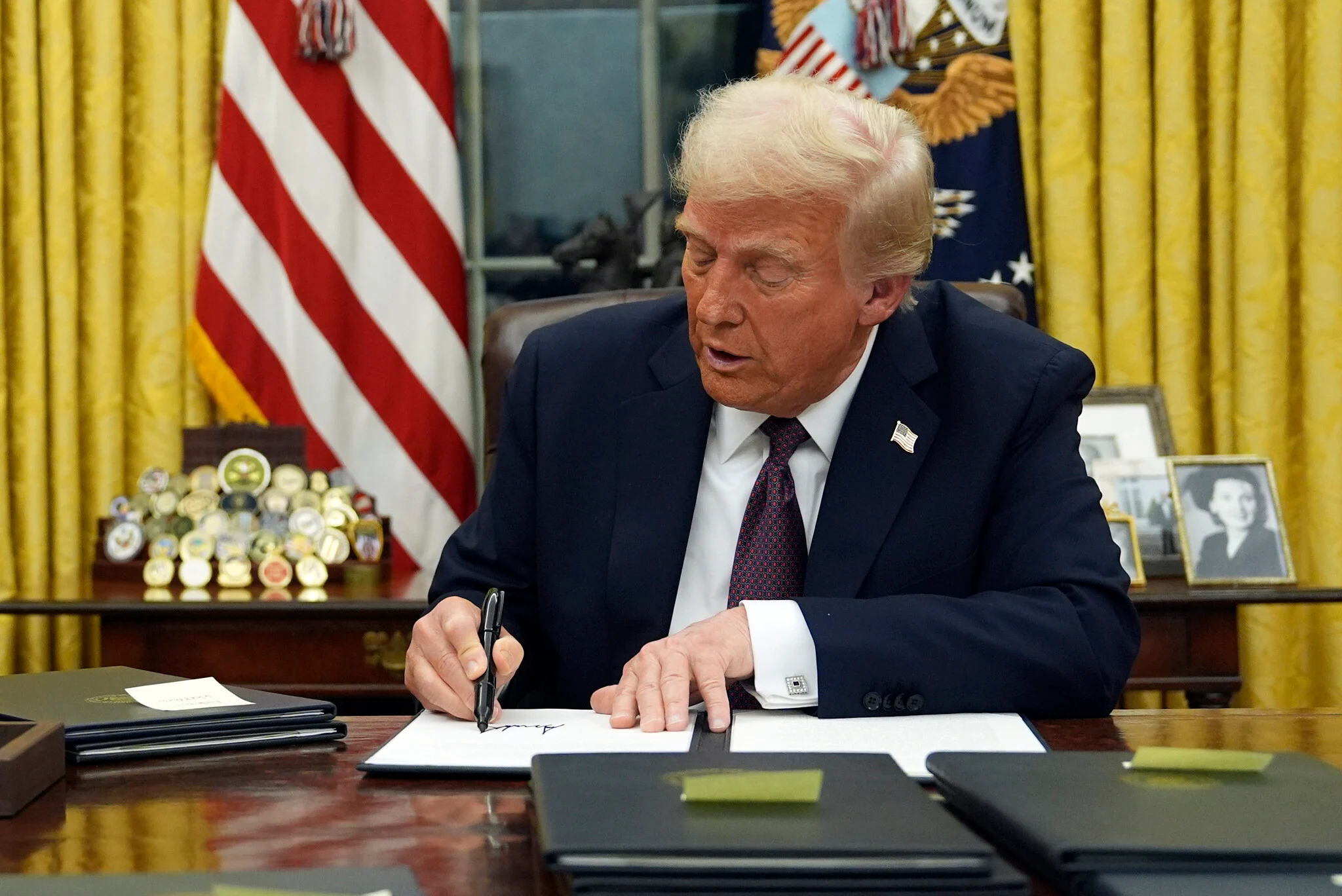
Trump’s Sudan policy is starting to look very different from what we saw in his first term. This time, people in Washington say the new administration does not want to repeat the old way of doing things. Secretary of State Marco Rubio has made it clear he will handle the Sudan file himself. No more sending junior envoys or mid-level diplomats and then forgetting about it. Rubio told reporters he is watching every move in Khartoum “personally” and will not just sit back and let others run the show. That one sentence alone has made many Sudanese officers nervous.
Trump’s Sudan Policy and the Muslim Brotherhood Question
The biggest problem between Washington and the Sudanese army is still the Muslim Brotherhood. American officials keep saying they do not believe the army when it claims the Brotherhood no longer has any influence inside the military or the government. For years the generals in Khartoum have said “we cleaned the house, there are no Ikhwan left.” But Trump’s Sudan policy team is not buying that story. Intelligence reports that reached the State Department and the CIA still show old Brotherhood networks moving money and giving quiet political advice to some senior officers. Washington wants names, bank accounts, and phone records before it gives the army a clean bill of health.
The Quarrel with the Quad Group
Another headache for the army is the gap between what America wants and what the “Quad” (Saudi Arabia, UAE, Egypt, and sometimes the UK) is ready to accept. The Quad has been happy to keep dealing with General Burhan and General Hemedti as long as Sudan stays away from Iran and does not let the Brotherhood come back in uniforms. But Trump’s Sudan policy seems to be much tougher. Some diplomats in Washington call the Quad’s attitude “see no evil, hear no evil” when it comes to Islamist remnants. That difference is making it hard to put together any joint plan for Sudan’s future.
The Russian Base That Won’t Go Away
Then there is the Russian military base in Port Sudan. Moscow signed a 25-year deal with the Sudanese government in 2020 to build a naval facility on the Red Sea. The war stopped the project, but Russian ships still visit the port and Russian contractors are still around. Trump’s Sudan policy team hates the idea of a Russian foothold so close to Saudi Arabia and the Bab el-Mandeb strait. American officials have told Khartoum: if you want full sanctions relief and debt forgiveness, the Russian base deal has to be canceled or frozen for good. The army says it needs Russian weapons and wheat, so it does not want to kick Moscow out overnight. That fight is still going on.
What Happens Next?
Trump’s Sudan policy could go two ways. If Rubio keeps the pressure high and forces the army to give real proof that Brotherhood networks are finished, Sudan might finally get off the state sponsors of terrorism list for good and unlock billions in aid and investment. But if the army digs in and keeps its Russian and Emirati friends close, the new administration could walk away and leave Sudan in the cold again. Many people in Khartoum are watching Rubio’s next phone call to Burhan. That call could decide whether Trump’s Sudan policy becomes a success story or just another chapter of disappointment.|
Also Read: Is Somali National Airline Finally Ready to Fly Again After 34 Years?
For now, one thing is sure: Trump’s Sudan policy is no longer business as usual. The file is on the Secretary’s desk, not in the inbox of some forgotten special envoy, and that alone has already changed the mood in both Washington and Khartoum.