

Kismayo port city is a key coastal hub that plays a massive role in trade and economic growth for southern Somalia today. Located near the mouth of the Jubba River along the Indian Ocean this vibrant town connects local farmers and fishermen directly to international markets. For many years local business owners and traders have relied on its strategic location to ship goods across the region. In this article we will explore why this coastal area matters so much and how daily life and commerce revolve around its bustling shores.
Read Also: Merca coastal city history and beauty?
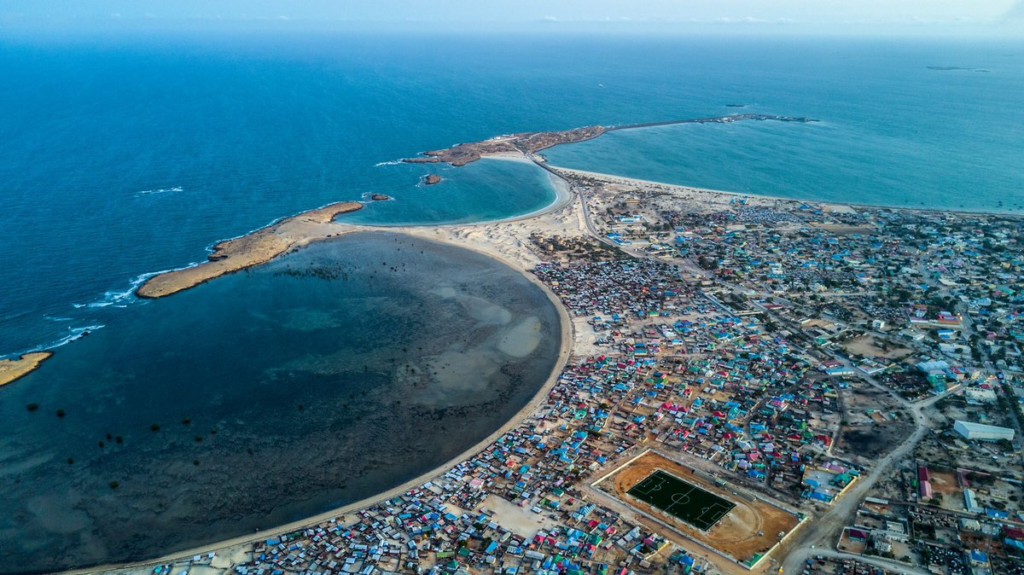
Kismayo port city and the economic strength of its coastal trade
The strategic position of this town makes it a natural center for ocean trade and local agriculture. Surrounded by fertile farmland along the river and rich fishing grounds in the ocean the local economy stays active throughout the year. Cargo ships dock regularly to load local exports and unload imported goods needed by surrounding towns.
Now let us look at the primary factors that make this location an economic powerhouse in the region.
1. A natural gateway for international sea trade
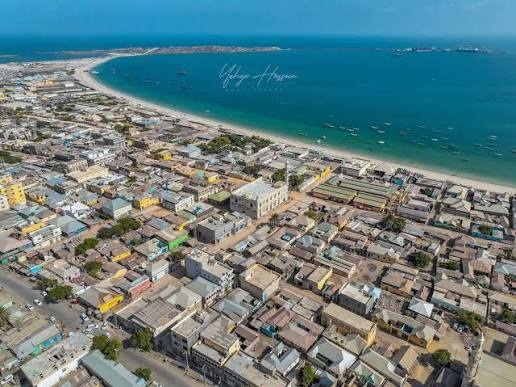
The primary driver behind the importance of Kismayo port city is its deep water harbor that accommodates large cargo ships. Merchants use this ocean hub to send local goods like livestock and charcoal and sesame seeds to foreign markets in the Gulf region. In return incoming ships deliver essential supplies such as building materials and fuel and processed food items. Having this direct sea route reduces transport costs for local businesses and keeps the regional marketplace stocked with needed goods.
2. Rich agricultural supply from the Jubba River valley
Unlike many dry regions nearby the areas surrounding this ocean town enjoy rich soil watered by the Jubba River. Local farmers grow large harvests of bananas and mangoes and maize and various vegetables throughout the farming seasons. These agricultural products travel straight to the urban markets where traders pack them for transport to other regions. The connection between river farming and Kismayo port city ensures a steady supply of fresh food for thousands of families every day.
3. A bustling livestock market connecting rural herdsmen
Livestock trading is a fundamental part of daily life across the entire southern territory. Herders travel long distances from rural areas to bring thousands of goats and sheep and cattle to the coastal livestock yards. Buyers purchase these animals for local consumption or prepare them for export on specialized cargo ships. The high volume of livestock trade in Kismayo port city generates steady income for nomadic families and local brokers alike.
4. Ocean fishing and coastal food resources
The clean coastal waters of the Indian Ocean provide rich fishing grounds for local boat crews every single day. Fishermen head out early in the morning to catch various types of fish and lobster and kingfish to sell at the beachfront market. This daily catch provides cheap healthy protein for local residents and creates processing jobs for workers onshore. Expanding the seafood industry inside Kismayo port city offers great opportunities for young people seeking reliable employment.
5. Growing local businesses and market infrastructure
As stability improves across the region small business owners are investing money into building new shops and hotels and warehouses. Local markets are filled with vendors selling textiles and electronics and daily household items to visitors from nearby villages. This commercial growth creates a dynamic atmosphere where trade thrives and new jobs open up constantly. The rising business activity inside Kismayo port city attracts traders from all over the country looking for new commercial opportunities.
6. Transport links connecting coastal trade to inner towns
Sea trade is only useful if goods can move inland to towns that do not have ocean access. Truck drivers operate regular routes carrying imported items from the harbor warehouses to landlocked communities further west. At the same time they bring inland products back to the coast for export or local sale. The transport network starting at Kismayo port city forms an essential supply line that keeps southern towns supplied with basic necessities.
Simple ways coastal trade benefits local residents
Living in a major coastal trading hub brings several practical advantages to everyday families in the area.
- Local markets offer a wider variety of imported items and fresh farm produce at reasonable prices.
- Job opportunities exist across different sectors like shipping and farming and market trade and transport.
- Improved harbor activity encourages local leaders to build better roads and public utilities for the community.
Read Also: Jowhar Agricultural City: Why Is It Key to Somalia?
Final thoughts on a vital coastal hub
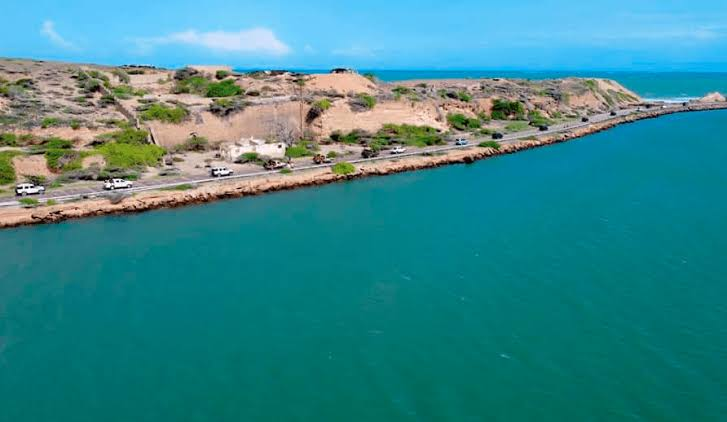
Coastal towns with active harbor connections remain the lifeblood of national trade and regional stability. Through a strong combination of sea transport and river farming and livestock trade this ocean hub remains essential for southern economic progress.
Read Also: Why Somali Music Songs Connect People Worldwide
As investments in harbor facilities and local roads continue the area will play an even bigger role in global trade. Understanding the value of Kismayo port city helps us appreciate how coastal resources drive overall economic success.