

Jowhar agricultural city sits about ninety kilometers north of Mogadishu and has always been known for its green land. It is the administrative capital of the Middle Shabelle region. Unlike many dry parts of the country this place gets a lot of water from the Shabelle River. The river flows right through the area and gives local farmers what they need to grow food all year long. People in the capital rely a lot on the vegetables and crops brought from here every single week.
Read Also: Why Should You Visit Bosaso Somalia Port?
When you look at the map you can see how close it is to Mogadishu. This short distance makes transport much easier compared to other farming hubs far away. Trucks leave early in the morning filled with bananas mangoes papaya and vegetables. Then they reach the markets in the capital before noon. That is why Jowhar agricultural city plays such a huge role in feeding people daily.
Jowhar agricultural city and its farming history
The history of farming here goes back a long time. During the colonial era the Italians noticed how good the soil was around the river. They built big plantations and irrigation canals to move water from the river into the fields. They focused a lot on sugarcane and built a famous sugar factory in the town. For many years that factory was one of the biggest industrial operations in the whole country. Many families moved to the area just to work in those fields or in the factory.
Even though the old factory faced many problems over the past decades the land itself never lost its richness. The soil along the riverbanks is deep and full of nutrients from old flood silt. Today local farmers still use many of the old canal routes to water their crops. If you talk to local farmers they will tell you that Jowhar agricultural city can produce almost anything if the water keeps flowing. They grow maize sesame beans and all kinds of tropical fruits.
Read Also: Somali Diaspora culture: Can Somali Culture Survive Abroad?
Water supply and the river life
Water is the main reason why farming works so well here. The Shabelle River comes down from the highlands of Ethiopia and carries rich sediment down into the valleys. When the river rises during the rainy seasons it fills up canals and sometimes covers the low fields. While big floods can cause trouble for homes they also leave behind fresh dirt that makes crops grow fast.
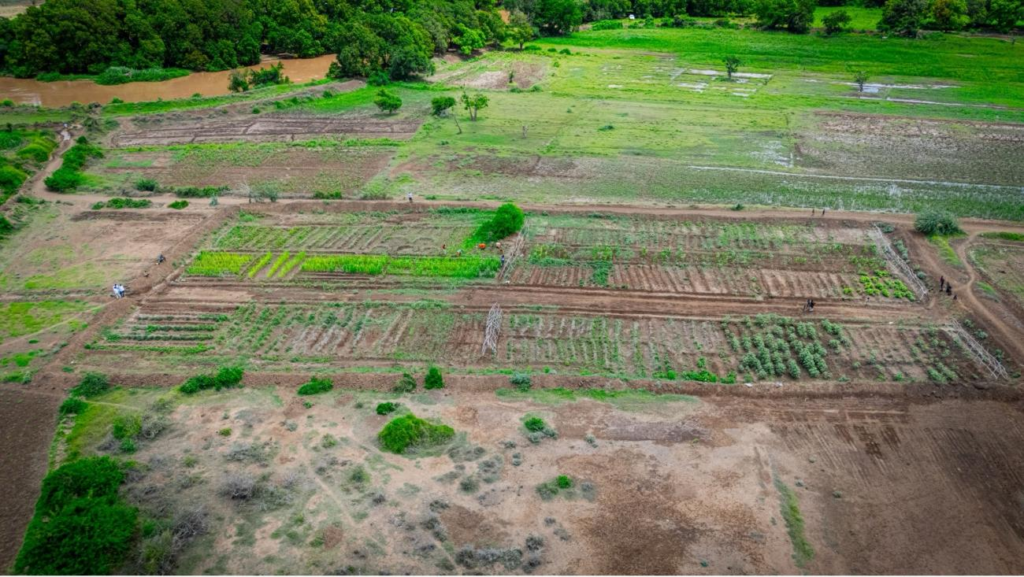
Without the river this area would be just as dry as many other parts of southern Somalia. Farmers work hard to clear weeds out of the canals so water can reach far fields. Some farmers use small diesel pumps to pull water straight out of the river onto their banana plants or corn patches. You will often see green fields stretching far from the riverbanks while the surrounding areas outside the valley look dry and brown. That contrast shows how much Jowhar agricultural city depends on the river system.
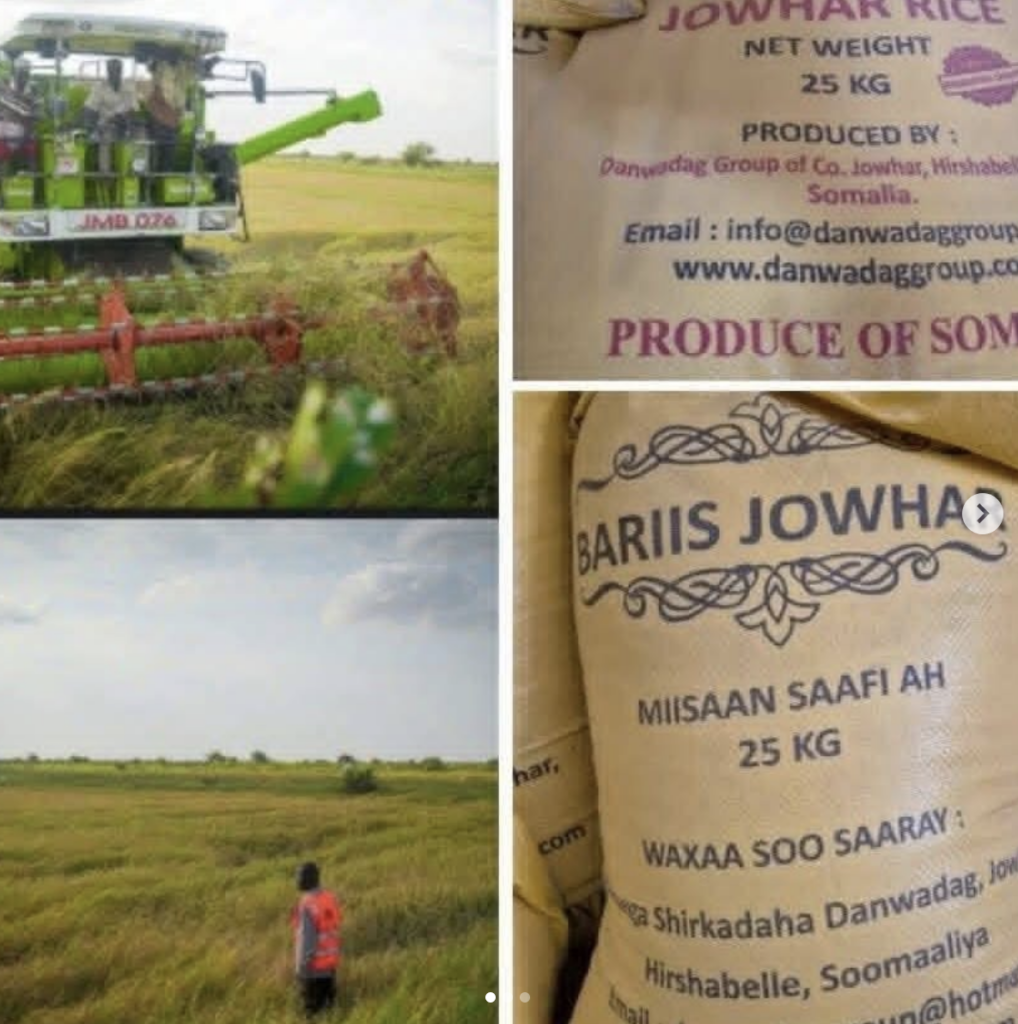
Daily life of farmers in the region
Life in this town centers around the farming cycle. People wake up very early before sunrise to start working before the heat of the day gets too strong. Men and women work side by side in the fields planting seeds clearing weeds and harvesting mature crops. Children often help out after school or during holidays learning how to farm from their parents.
Market days are always busy in the town center. Farmers bring their harvested crops on small carts or trucks to sell to local traders. Money from these crops helps families buy clothing medicine and other goods they cannot make themselves. Many people also raise livestock like cows goats and sheep. The animals feed on grass near the river edges where green plants grow all year. This mix of crop farming and animal keeping gives families more stability when weather conditions change. Many people agree that Jowhar agricultural city offers better livelihood options than drier regions nearby.
Jowhar agricultural city: Challenges and the future of local farming
Even with great soil farmers here face real struggles. One major issue is river flooding. When heavy rains hit the Ethiopian mountains the river can overflow quickly and wash away young crops. On the other hand when droughts happen the river level drops low and water becomes scarce. Repairing old canals and building better flood barriers would make a massive difference for everyone living here.
Another issue is getting crops to distant markets without them spoiling. Since fruits like bananas and papaya go bad fast farmers need good roads and fast transport. Despite these problems the potential of the area remains very high. Investors and local leaders often talk about rebuilding the sugar industry and modernizing farm equipment. If proper investment comes in Jowhar agricultural city could produce even more food for the entire region.
Read Also: Nugaal Valley Beauty: A Hidden African Treasure
Local youth are also taking more interest in farming business ideas. Some young people are looking into modern irrigation techniques like drip watering to save water during dry seasons. Others want to start processing plants for fruit juice or packaged sesame. These new ideas could help create more jobs for young people who might otherwise move away to Mogadishu.
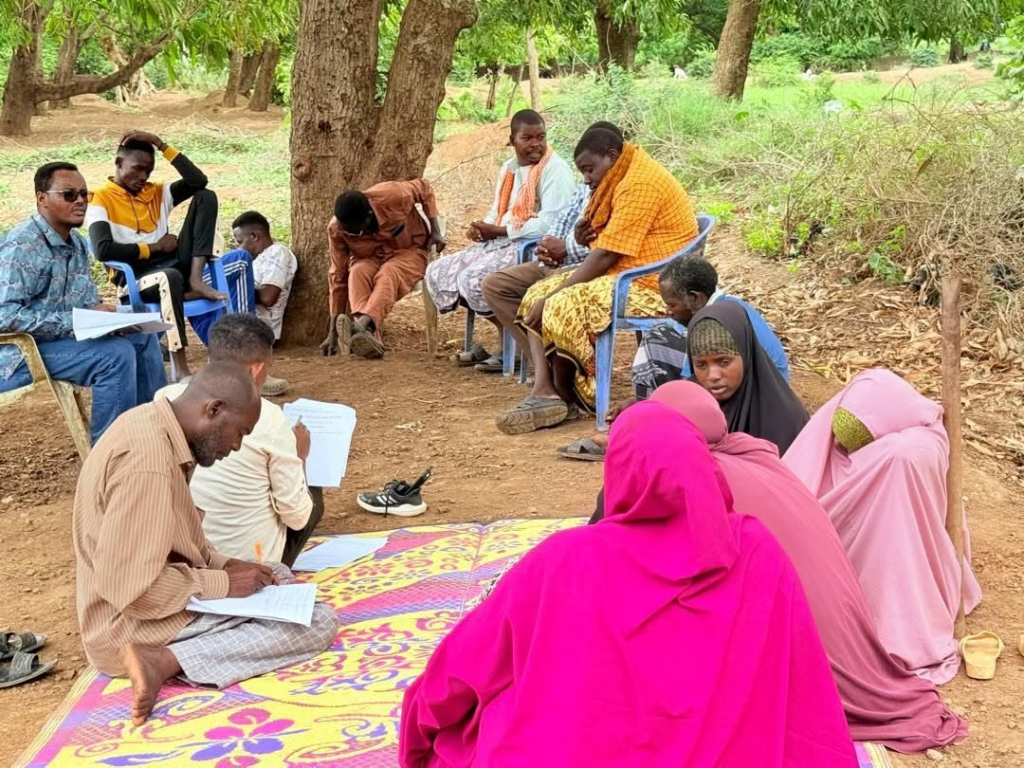
As long as the land stays fertile Jowhar agricultural city will remain a key part of the country economy. In the end the combination of good soil river water and hard working people keeps Jowhar agricultural city standing as one of the most important food sources in Somalia.