

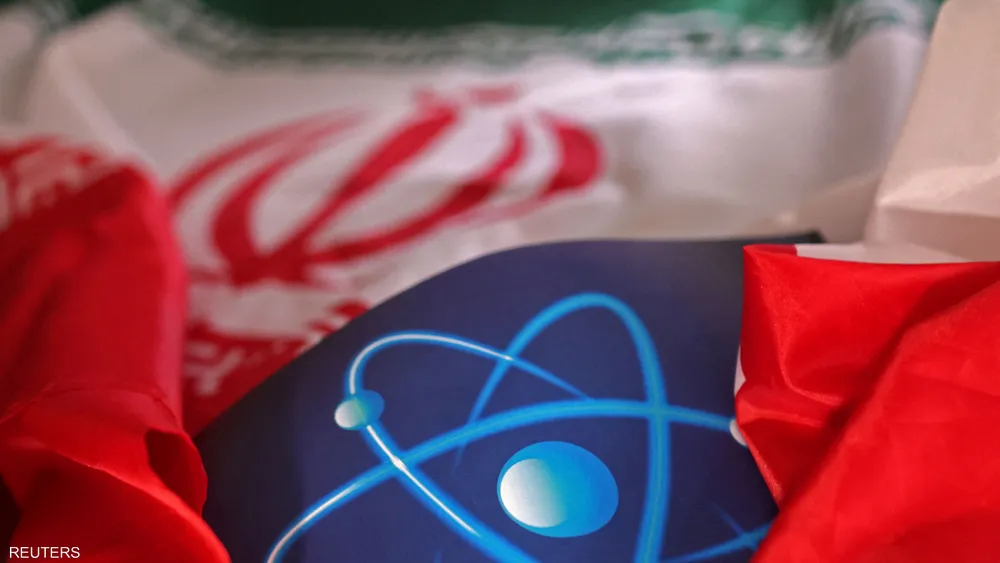
As the world watches closely, Iran is once again signaling defiance just as it prepares to resume nuclear negotiations with the European Troika—France, Germany, and the UK.
Tehran has upped the ante by threatening to enrich uranium beyond 60% and even withdraw from the Nuclear Non-Proliferation Treaty (NPT), framing itself as a force to be reckoned with rather than a country seeking compromise.
A Strategy of Escalation or a Negotiating Tactic?
Iran recently announced a “preliminary agreement” to restart nuclear negotiations with European powers. However, this diplomatic gesture was immediately overshadowed by aggressive rhetoric and threats.
Iranian Foreign Minister Abbas Araghchi claimed that “Europe has no legal or moral grounds” to activate the snapback sanctions mechanism and hinted at measures such as:
- Increasing uranium enrichment levels.
- Exiting the NPT.
- Producing and exporting advanced centrifuges.
This mixed messaging—promoting diplomacy while threatening escalation—mirrors Tehran’s long-standing strategy of leveraging tension to strengthen its negotiating position.
Europe in the Crosshairs
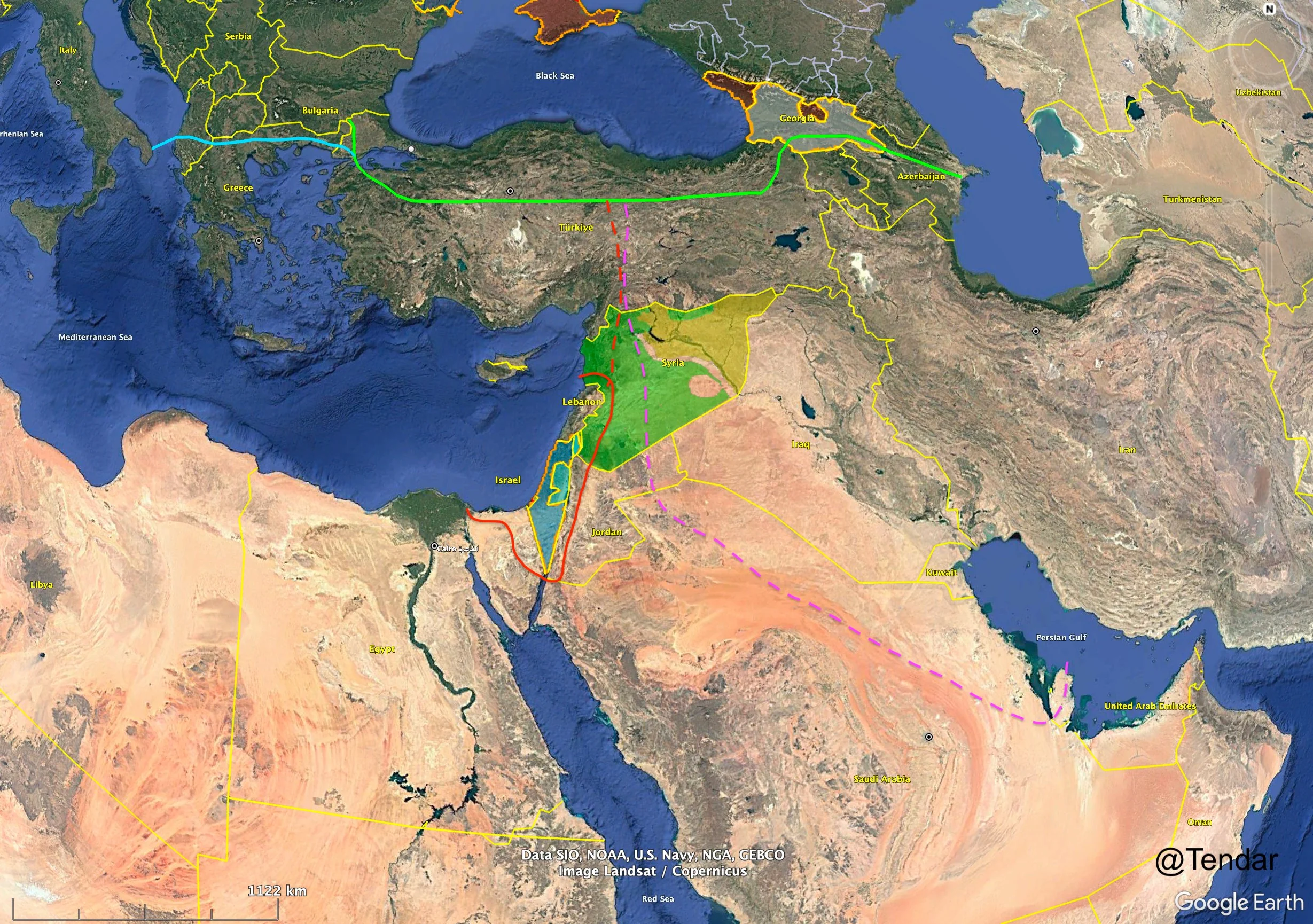
Political analyst Hilal Al-Obaidi, painted a grim picture of the European security landscape, warning that Eastern European nations lie within range of Iran’s ballistic missiles.
He highlighted that Iran’s threat isn’t limited to uranium enrichment:
“Iran possesses advanced missile programs with solid and liquid-fueled rockets capable of reaching up to 6,000 kilometers and carrying nuclear warheads weighing up to 1,800 kilograms.”
Such capabilities, Al-Obaidi argued, elevate the nuclear issue from a regional dispute to a matter of European national security.
European Dilemma: Containment or Confrontation?
While Europe and the U.S. have historically differed in handling Iran, Al-Obaidi notes a growing consensus on the need to deter Tehran’s ambitions.
The European Troika is particularly concerned not just with Iran developing a nuclear weapon, but with its ability to enrich uranium to weapons-grade levels—well beyond the 2015 nuclear deal limits.
European powers are pushing for a comprehensive, high-level agreement that would freeze Iran’s nuclear development—not just a symbolic return to the previous deal.
But Tehran insists on what it calls a “balanced and fair agreement,” blaming the U.S. for exiting nuclear negotiations while portraying itself as the party seeking diplomacy.
Last Chance for Nuclear Negotiations
Iran’s parliamentary National Security Committee warns that continued Western pressure could force Tehran into extreme actions.
Al-Obaidi echoed this concern:
“If no agreement is reached by the end of August, we’re likely to see the activation of the snapback mechanism.
That means the end of the nuclear deal and a full return to international sanctions.”
These sanctions would include an arms embargo, asset freezes, travel bans, and tight restrictions on dual-use materials.
Such a scenario could push Iran’s already struggling economy toward collapse.
Russia’s Role Behind the Scenes
Al-Obaidi also highlighted Moscow’s involvement, arguing that Russia is using the Iranian file as leverage in its ongoing conflict with the West over Ukraine.
While Tehran and Moscow are strategic allies on paper, Russia has kept its distance during Iran’s recent tensions with Israel—signaling a more pragmatic, interest-driven approach.
“Russia is likely negotiating with the West behind closed doors,” he said.
“If Iran continues to escalate, it could find itself isolated—even from its allies.”
Tehran’s Options: De-escalate or Defy?
As the August deadline approaches, Iran faces a critical crossroads:
- De-escalation: Reaching a deal with the European Troika that caps uranium enrichment and suspends sanctions—possibly in exchange for economic incentives.
- Escalation: Pushing enrichment above 60% or quitting the NPT, triggering the snapback mechanism and possibly igniting broader confrontation.
“The ball is in Iran’s court,” Al-Obaidi said.
“But if it miscalculates, we’re heading toward a dangerous escalation.”
Can Tehran Buy More Time with the Nuclear Negotiations?
With direct nuclear negotiations with Washington stalled, Tehran hopes to buy time through European channels.
However, its aggressive posture may backfire, speeding up international retaliation rather than improving its bargaining power.
Europe has grown weary of brinkmanship, while the U.S. monitors developments closely.
Russia and China, meanwhile, remain cautiously flexible, prioritizing their own geopolitical interests.
August could mark the final chance for nuclear negotiations.
What Iran decides in the coming weeks may not only determine the future of the nuclear deal—but could reshape the entire regional balance of power post-2025.