

Somali education has been through hell and somehow still stands tall today. When the central government collapsed in 1991 schools closed overnight, teachers fled, books burned, and kids carried guns instead of pencils. Yet thirty years later you’ll find classrooms full again, girls in uniforms, solar panels on roofs, and teenagers dreaming of university. This is the story of how Somali education refused to die.
What kept it alive was not fancy plans or big foreign missions. It was ordinary people. Parents taught their kids at home, mosques opened small classes, elders turned broken buildings into learning spaces, and volunteer teachers worked for food instead of pay. In some towns women formed groups to collect money for chalk and notebooks.
The Golden Past of Somali Education
Before the war Somalia had one of the best systems in Africa. In the 1980s literacy reached almost 70% in cities, girls went to school as much as boys, and Mogadishu University produced doctors and engineers respected everywhere. Italian and British schools mixed with Quranic fugues created something special. Then the bombs came and Somali education looked finished for good.
From 1991 to 2005 most public schools became refugee camps or got looted. Warlords used classrooms to store weapons. Families who could afford it sent kids to Kenya or paid private teachers under trees. In the countryside a whole generation grew up never holding a pen. People said Somali education was dead and would never come back.
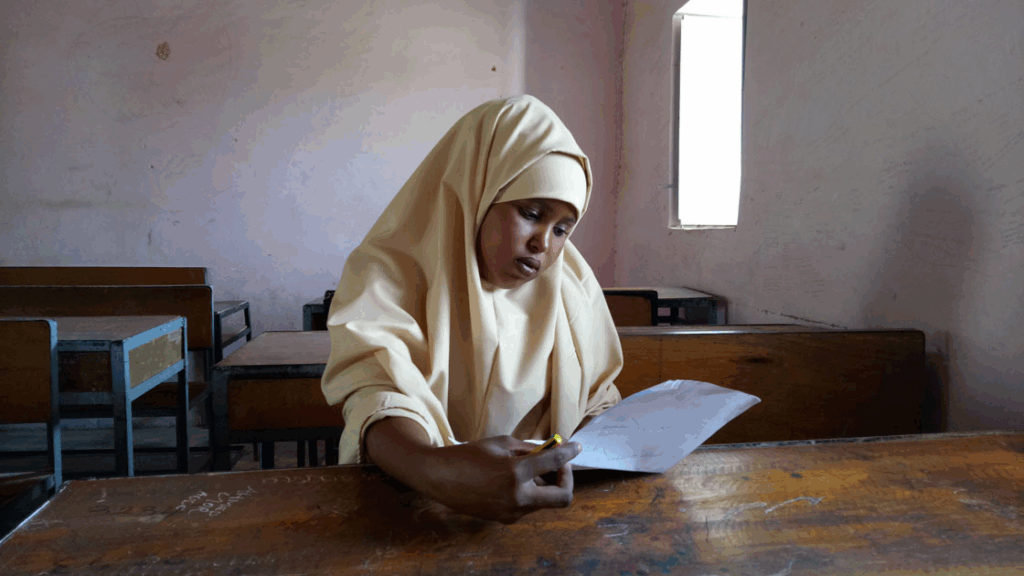
It started small. Parents pooled money to pay one teacher ten dollars a month. Communities rebuilt walls with mud and sticks. Islamic charities from the Gulf opened free schools. By 2010 Mogadishu had hundreds of private classrooms running again. That stubborn hope saved Somali education when everything else failed.
Girls Lead the New Somali Education Wave
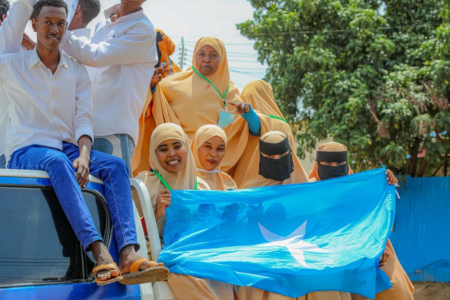
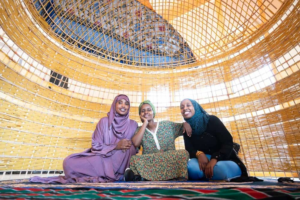
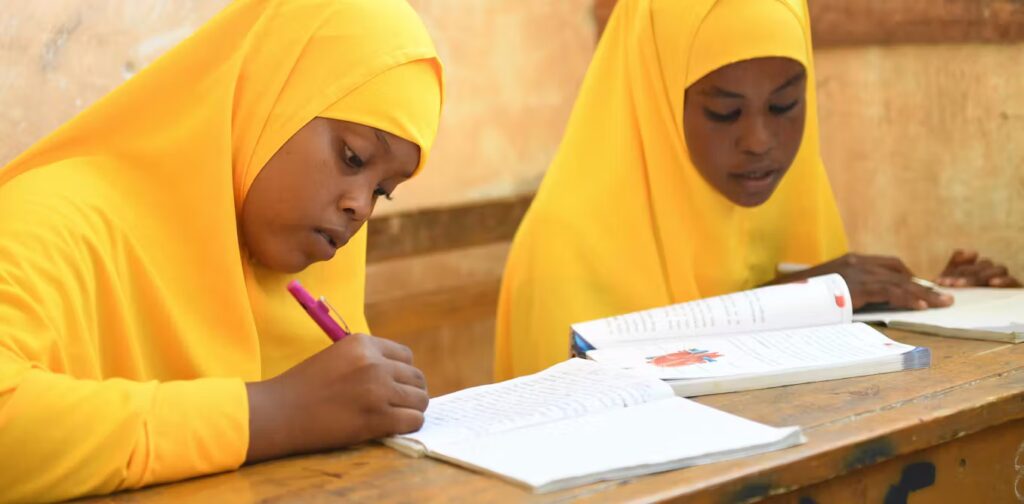
Today the biggest surprise is how many girls sit in class. In some areas they outnumber boys. Families realized educated daughters bring doctors and teachers into the clan. Umbrella schools under acacia trees, tents, even shipping containers became normal classrooms. Somali education now belongs to girls as much as anyone.
Teachers earn as little as fifty dollars a month and sometimes go unpaid for half a year. Books are photocopied so often the words fade. Rain floods dirt-floor schools and turns them to mud. Yet every morning kids walk miles barefoot because they know Somali education is their only real ticket out.
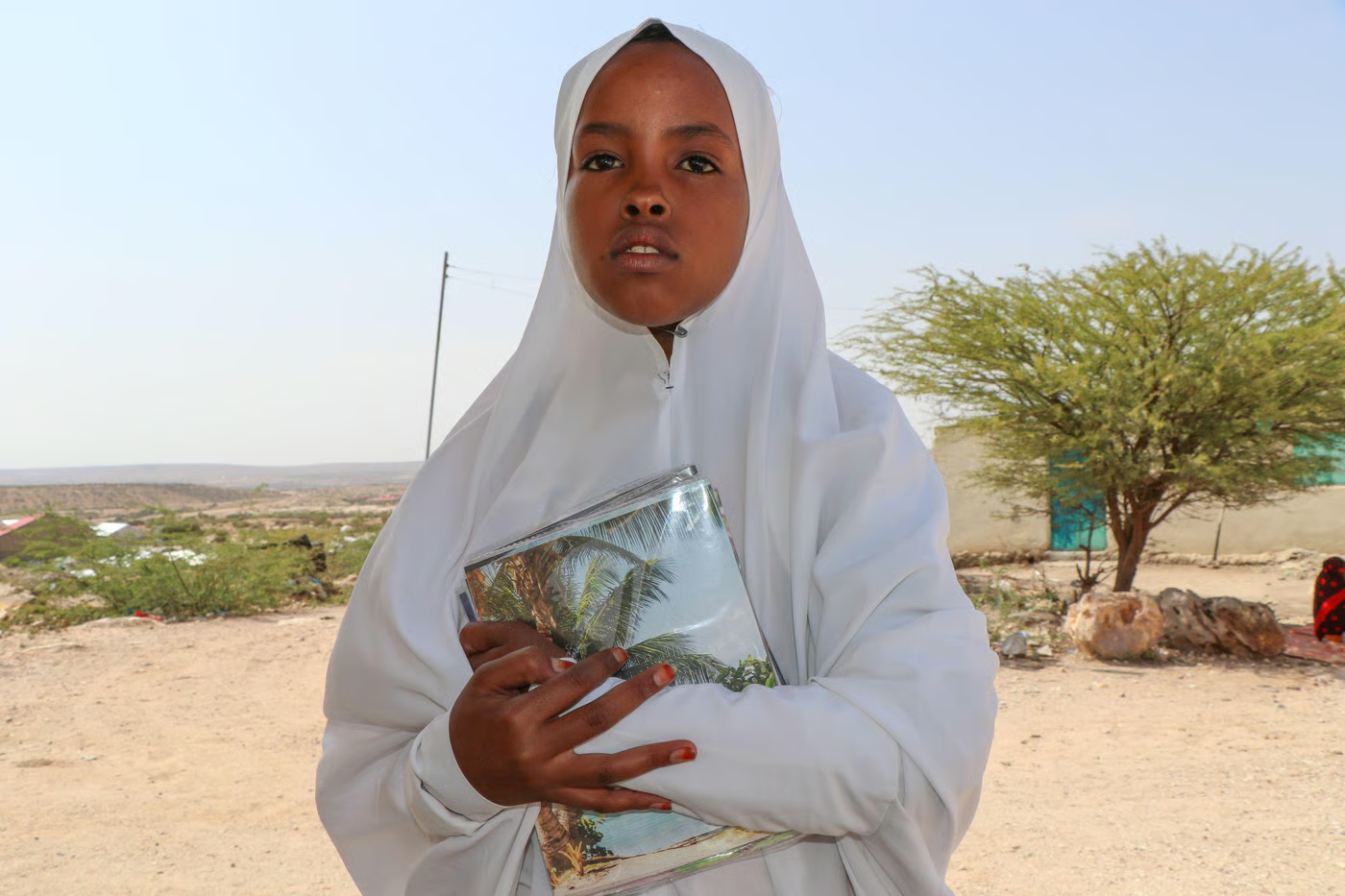
Technology Gives Somali Education New Life
Cheap smartphones and solar power changed everything. Kids in remote villages watch YouTube lessons when the teacher is sick. WhatsApp groups share exam notes at night. One school in Garowe started online classes during Covid and never stopped. Somali education jumped twenty years in five because of a screen and sunlight.
Mogadishu University reopened in 1997 with thirty students in a borrowed house. Today it has thousands. New private universities pop up in Hargeisa, Kismayo, even small towns. Medical schools send graduates to work in Europe. The same ground that saw tanks now grows lecture halls. That’s Somali education writing its comeback chapter.
The Future Looks Brighter for Somali Education
The government finally pays some teacher salaries and builds real buildings. Turkey, Qatar and the UN pour money in. Enrollment passed two million kids last year. Literacy crawls back up slowly but surely. Parents who never learned to read now push their children harder than anyone. Somali education proves that when people want knowledge nothing can stop them, not war, not hunger, nothing.
Read Also: Women in Somalia: Their Role Changes Over Time
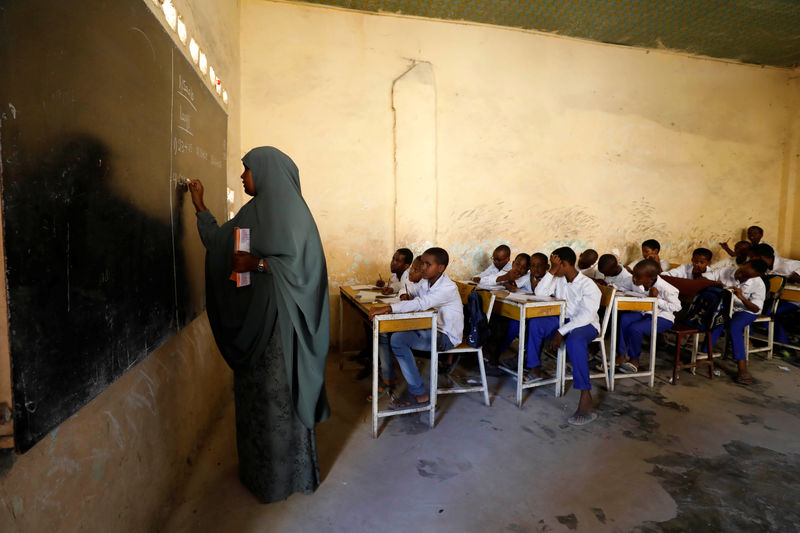
Walk into any classroom today and you’ll feel it: hope smells like chalk dust and new notebooks. Somali education almost died but the people carried it on their backs until it could walk again. And now it’s starting to run.