

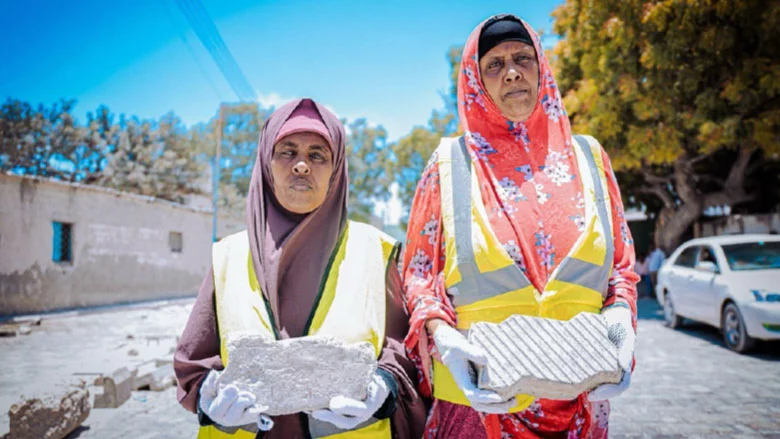
Somalia Urban Resilience is becoming one of the most talked about ideas right now because many people want to understand how this new 19 million grant will change daily life for displaced families and the communities hosting them. When news came out that the African Development Fund approved this support many people in cities like Baidoa Kismayo and Mogadishu felt something close to relief. Somalia Urban Resilience sounds like a big phrase but for normal families it means safer homes cleaner areas and a chance to live without fear every time the weather turns bad. People who moved from conflict zones want to feel settled and this project gives them hope after many years of moving around.
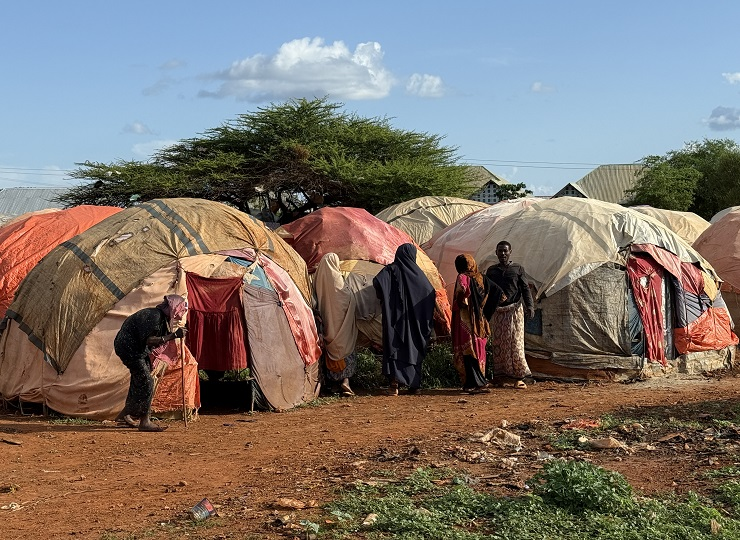
The grant is part of a long effort to help towns handle the pressure of fast growth. Somalia has thousands of people who left their villages because of drought fighting or floods. Many of them reached cities hoping for a fresh start but those cities had limited space and services. Somalia Urban Resilience now steps in to fix some of the pressure points. The money will help build stronger roads better drainage areas and simple services like wells and waste areas. These things might sound small but they help people stay healthy and bring more stability to daily life.
How Somalia Urban Resilience Will Affect City Life
One of the biggest parts of the plan is to make city neighborhoods ready for future challenges. Somalia Urban Resilience is not just about building new places but also about helping old neighborhoods adapt. In many areas rainwater collects fast because there is no good system to guide water away. When that happens houses get damaged and small shops lose things. So the plan includes new ways to control water and keep roads open during storms. Many shop owners believe that better roads will help them keep their work running even on tough days.
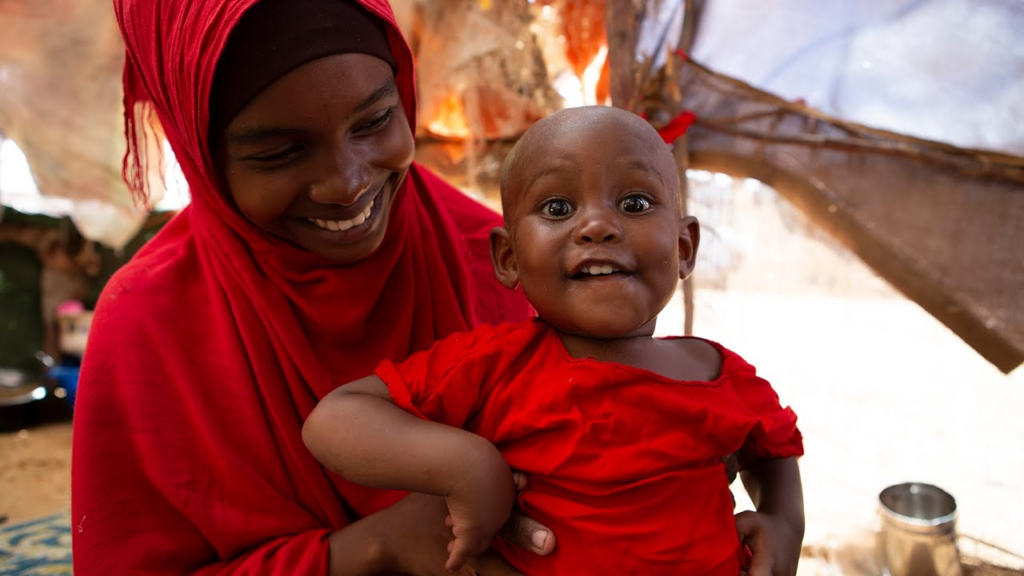
Another point is lighting and open spaces. Some streets stay dark at night and that makes families worry. Somalia Urban Resilience includes ideas like safe walkways small community centers and simple green areas where children can play. These ideas make people feel more connected and give displaced families a sense of belonging. When people live in crowded settlements they often feel invisible but when a city designs space for them the feeling changes.
Why Hosting Communities Benefit Too
When displaced families join a neighborhood the pressure on water schools hospitals and markets becomes high. At first some residents feel stressed because they think services will be too limited. Somalia Urban Resilience tries to help both sides so the host community also feels supported. Better roads help everyone faster clinics help everyone cleaner areas help everyone.
Many local leaders say the real success will come when both groups learn to trust each other. People who stayed in the city for years and people who just arrived will share the same streets. Somalia Urban Resilience will make it easier for them to build normal routines like going to school work and markets without daily challenges. Social workers say that simple spaces like community halls and water points help people talk and share ideas.
How the Grant Connects to Future Development
This 19 million grant is not the whole solution but it is an important step. Somalia Urban Resilience will act like a foundation that other projects can build on. When a city becomes more stable and organized it becomes more attractive for businesses. Some young people hope that new small shops and training centers will open once the basic environment improves. Families also hope that schools will become less crowded because new settlements will be planned better.
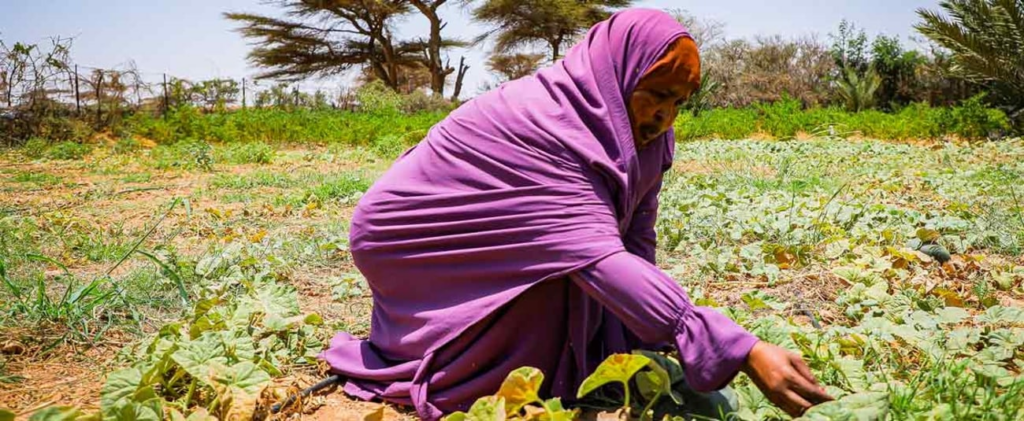
Experts say that Somalia Urban Resilience fits with the long term vision of rebuilding the country after many years of crisis. If towns become strong enough to handle storms population growth and movement then the country will move toward a safer future. Many families say that stability is the only thing they want. A place where they can sleep without stress and work without fear of losing everything.
Looking Ahead
Somalia Urban Resilience will not fix all problems overnight but it will guide how cities grow. With 19 million dollars directed to the most needed areas families who lost their homes may finally feel that someone is thinking about them. Host communities will see new services and better areas around them. Together these changes can create a more balanced city life. Many people hope that this support marks the start of a long chain of projects that will rebuild trust and improve living conditions.
Also Read: Is the Hamruwein Market Closure a Sign of Bigger Problems?
Somalia Urban Resilience is more than a project. It is a sign that people in the country deserve stable homes safe streets and clean neighborhoods. If the plans work well more families will stay healthy more markets will stay open and more children will grow up without fear. The future is not perfect yet but with steps like this the path feels more clear.