


Trump Tariff Lawsuit trends are dominating the headlines as 2026 begins because more than 1000 companies have now joined a massive legal battle against the government. These businesses are tired of paying high taxes on things they bring in from other countries and they are asking the Supreme Court to step in and stop what they call an illegal overreach of power. For many of these firms it is a matter of survival because the extra costs have eaten up all their profits and made it hard to keep their workers. If the court sides with the companies it could trigger a giant wave of refunds worth billions of dollars which would be a huge blow to the current administration’s economic plan.
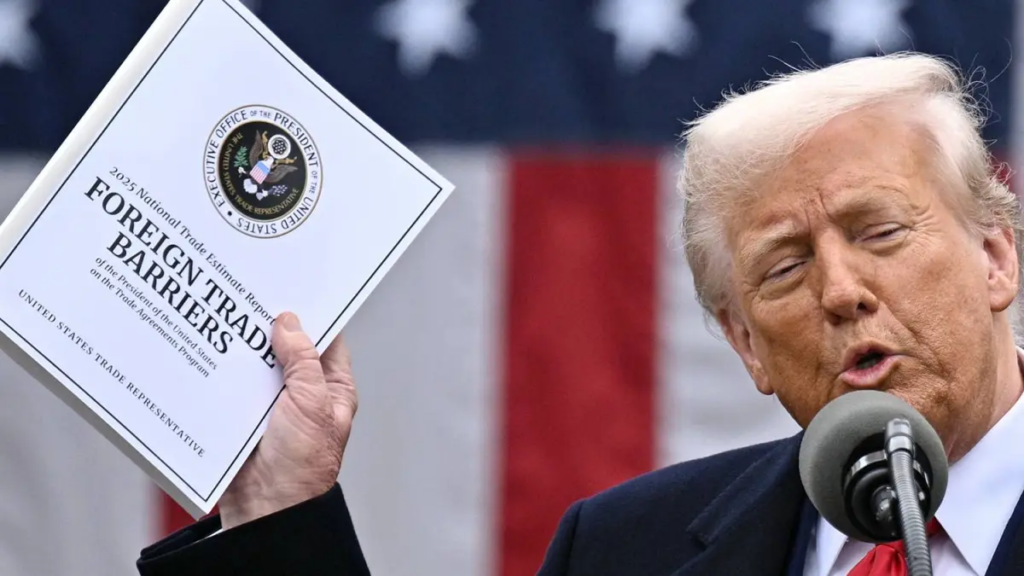
The main problem started when the president used an old emergency law from 1977 to put taxes on almost everything coming from China, Canada, and Mexico. While he says this is to protect American jobs and stop drugs many business owners argue that it is actually just a hidden tax on the American people. In this Trump Tariff Lawsuit the lawyers are arguing that the president does not have the authority to raise taxes whenever he wants without asking Congress first. As we wait for the final ruling on Friday the tension in the business world is higher than it has ever been because everyone wants to know if they will get their money back or if they have to keep paying.
The Companies Leading the Trump Tariff Lawsuit
Some of the biggest names in the country are leading the charge in this Trump Tariff Lawsuit including retail giant Costco and the tire company Goodyear. They are joined by hundreds of smaller businesses like clothing brands and electronics makers who say the tariffs have made their products too expensive for the average family. By the first week of January 2026 alone dozens of new companies like Dole Fresh Fruit and J. Crew have filed their own papers to make sure they are on the list if the court orders a refund. It is a diverse group of industries all united by the same goal of ending the “trade chaos” that has gripped the markets for the last year.
The Legal Question Behind the Trump Tariff Lawsuit
At the heart of the Trump Tariff Lawsuit is a law called the International Emergency Economic Powers Act or IEEPA for short. Traditionally this law was used to freeze the bank accounts of terrorists or enemies during a war but the current administration used it to handle regular trade deficits. Lower courts have already said that the president went too far and that a trade deficit is not a “national emergency.” If the Supreme Court agrees it will be a historic moment that limits how much power any president can have over the economy in the future. The justices seemed very skeptical during the arguments in November and many experts think they are ready to strike the tariffs down.
Potential Economic Aftershocks of the Trump Tariff Lawsuit
If the government loses the Trump Tariff Lawsuit it might have to pay back nearly 150 billion dollars to the companies that paid the duties. This would be an administrative nightmare because every single company would have to prove exactly how much they paid at the border. On the other hand if the court supports the president it will embolden him to use tariffs as a weapon in every negotiation which could lead to even more inflation. Many economists warn that the uncertainty alone is hurting the manufacturing sector as companies wait to see if they should move their factories or stay in the US.
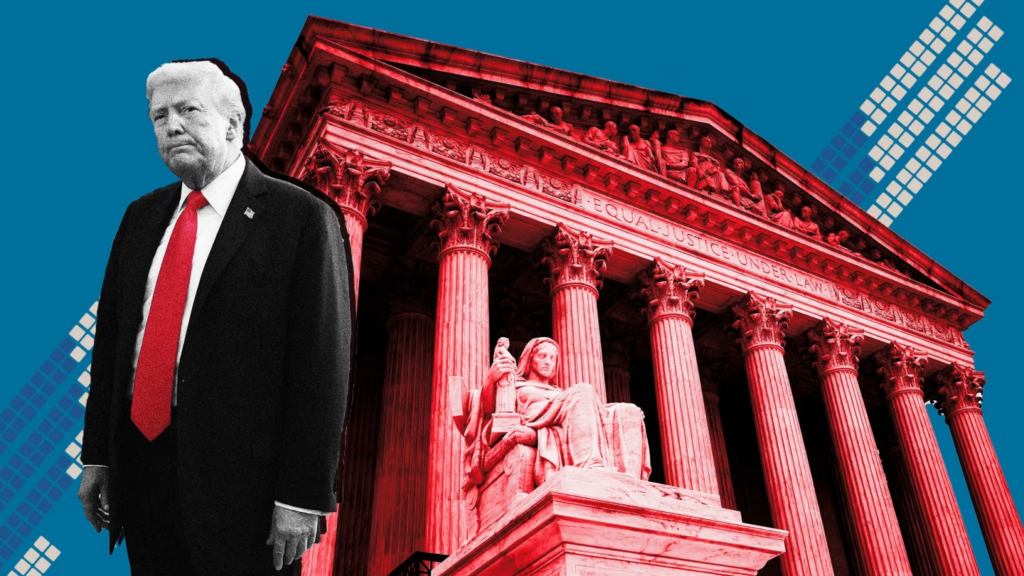
In the end we are looking at a turning point for how America does business with the rest of the world. The Trump Tariff Lawsuit is not just about money; it is about who has the right to decide the price of the things we buy every day. Whether it is a box of pasta or a new car the result of this case will be felt in every household across the nation. The people are hoping for lower prices while the government is fighting to keep its most powerful tool for trade wars.
Read Also: Chip Shortage Impact: Why Electronics Prices Could Rise 20% in 2026
The next few days will tell us if the Trump Tariff Lawsuit was the beginning of a new era of freedom for businesses or if the era of high tariffs is here to stay. Whatever happens the relationship between the White House and the business community has been changed forever by this fight. We should all keep a close eye on the Supreme Court because their decision will shape the economy for the rest of the decade. The stakes are 150 billion dollars and the future of the American dream is right in the middle of it all.