
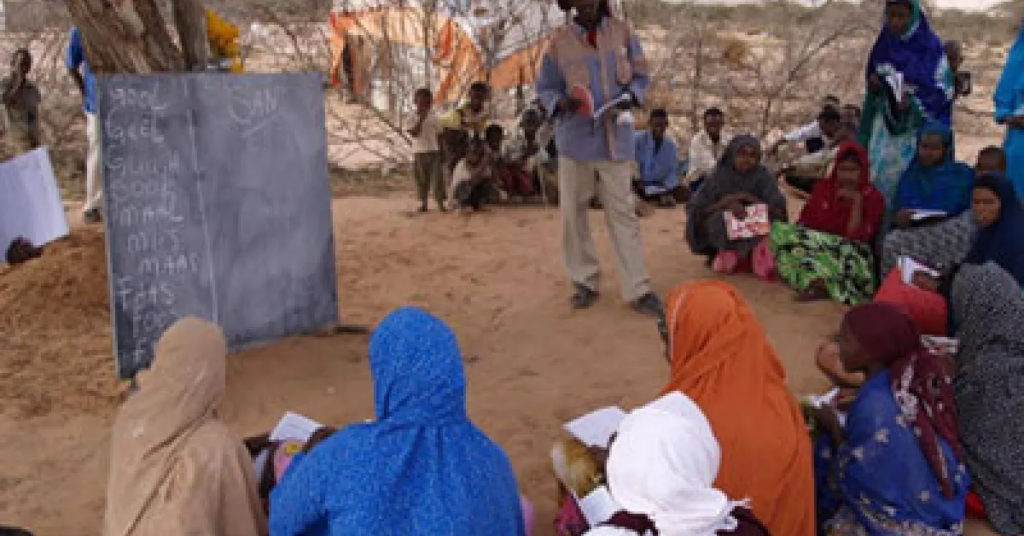
Somali Education Journey is a story of incredible strength because it shows how a nation can rebuild its mind even after losing its schools for many years. Long ago before the modern buildings existed the primary way to learn was through the “Dugsi” or the Koranic schools where children sat in a circle under a large tree or in a small hut. In these early days the Somali Education Progress was all about memorizing the holy book and learning the basics of the Arabic language using a “Looh” which is a wooden board that you wash and reuse every day.
This was the foundation of the Somali society for centuries and it taught the young people about manners discipline and their history. But as we move through 2026 we see that this traditional way of learning has become the first step in a much bigger Somali Education Progress that now leads all the way to PhD programs and high-tech science labs in Mogadishu and Hargeisa.
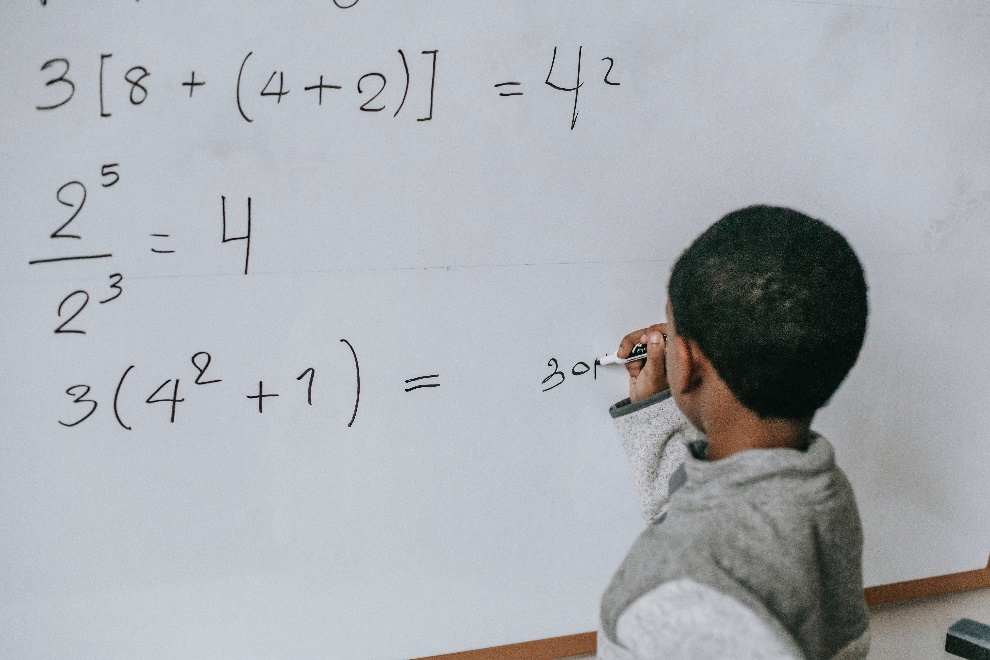
The change really started to speed up after the 1960s when the country became independent and the government built hundreds of primary and secondary schools. This part of the Somali Education Progress saw the creation of the Somali National University which was the pride of the nation until the trouble started in 1991. When the central government collapsed almost every school was destroyed and the teachers had to run away to save their lives.
However the Somali Education Progress did not stop there because the local communities and the Somali people living abroad decided they would not let their children stay in the dark.
They started small private schools and universities in the middle of the ruins showing that the Somali Education Progress is something that lives in the hearts of the people and not just in the walls of a building.
Key Milestones in the Somali Education Progress
First the move from oral storytelling to the written word happened when the Somali language finally got its own script in 1972 which made it easier for everyone to learn. Second the Somali Education Progress was kept alive during the war by “Education Umbrellas” which were groups of teachers who created a unified curriculum so students could still take exams. Third the reintroduction of the national secondary school exams in 2015 was a huge victory for the Somali Education Journey because it gave students a certificate that the rest of the world could recognize.
Fourth we are now seeing a massive increase in female students joining the Somali Education Progress with more girls graduating from university than ever before in our history. Fifth the use of digital technology and internet-based learning has allowed the Somali Education Journey to reach nomadic children in far-away places who can now watch lessons on their phones. Sixth and finally the growth of private universities like Mogadishu University and SIMAD has turned the capital into a hub for higher learning that attracts students from all over East Africa.
Why the Somali Education Journey Matters for the Future
Today in 2026 the Somali Education Journey is focusing more on vocational training and engineering because the country needs experts to build roads and manage the new oil and gas projects.
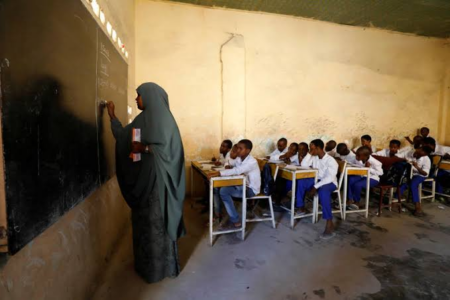
The government is also working hard to make sure that the Somali Education Journey is not just for the rich people in the cities but for every child even those living in the displacement camps. By investing in the Somali Education Journey we are making sure that the future leaders of the country are people who solve problems with their brains instead of with their hands. It is a long road but when you see a young man who started his Somali Education Journey under a tree now graduating as a heart surgeon you know that anything is possible.
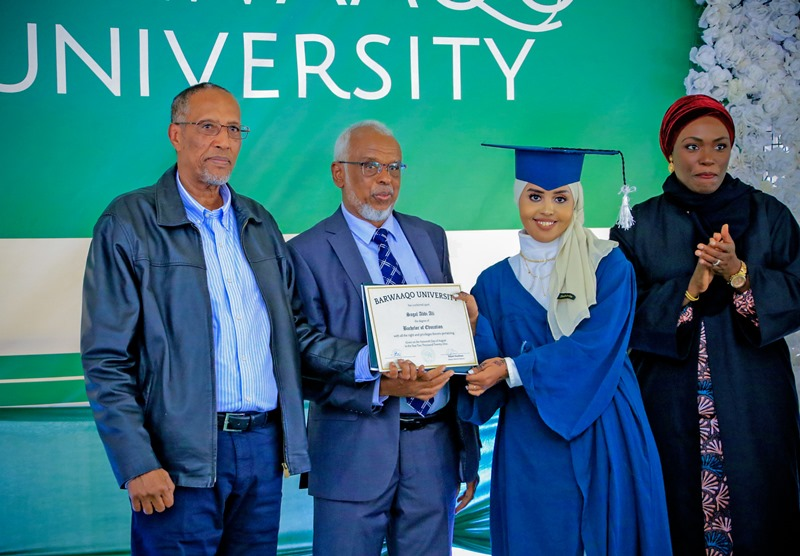
The Somali Education Journey is a proof that the pen is truly mightier than the sword and that knowledge is the only bridge to a peaceful life. Let’s hope that the ministry continues to improve the quality of the teachers so that our degrees are respected everywhere in the world. The Somali Education Journey belongs to all of us and we must protect it like our most valuable treasure.