


Stroke first aid is something that everyone should learn because you never know when a family member or a friend might need help during a medical emergency. When someone has a stroke it means the blood flow to their brain has stopped or been reduced and this can cause brain cells to die very quickly. Knowing the basics of stroke first Response can literally be the difference between someone recovering or having permanent damage for the rest of their life. Most people panic when they see someone struggling to speak or move but staying calm is the most important thing you can do to help them survive.
Read Also: Intermittent Fasting Benefits for Crohn’s Disease
Using the FAST method for stroke first aid
The most common way to remember how to help is by using the FAST acronym which is a big part of stroke first aid training everywhere. F stands for face and you should check if one side of their face is drooping when they try to smile. A stands for arms and you need to see if they can raise both arms or if one drifts downward because of weakness. S is for speech so you should ask them to repeat a simple sentence to see if they sound strange or slurred. T is for time because if you see any of these signs you must call for an ambulance immediately as part of your stroke first aid response.
Many people make the mistake of waiting to see if the symptoms go away on their own but that is a very bad idea. In the world of stroke first aid we always say that time is brain because every minute wasted means more brain cells are lost forever. You should not give the person any food or drink because a stroke often makes it hard for them to swallow and they might choke. Also do not give them aspirin unless a doctor tells you to because if the stroke is caused by bleeding in the brain aspirin will actually make it much worse.
Read Also: Digital Spine Damage: How It’s Ruining Your Health and How to Fix It
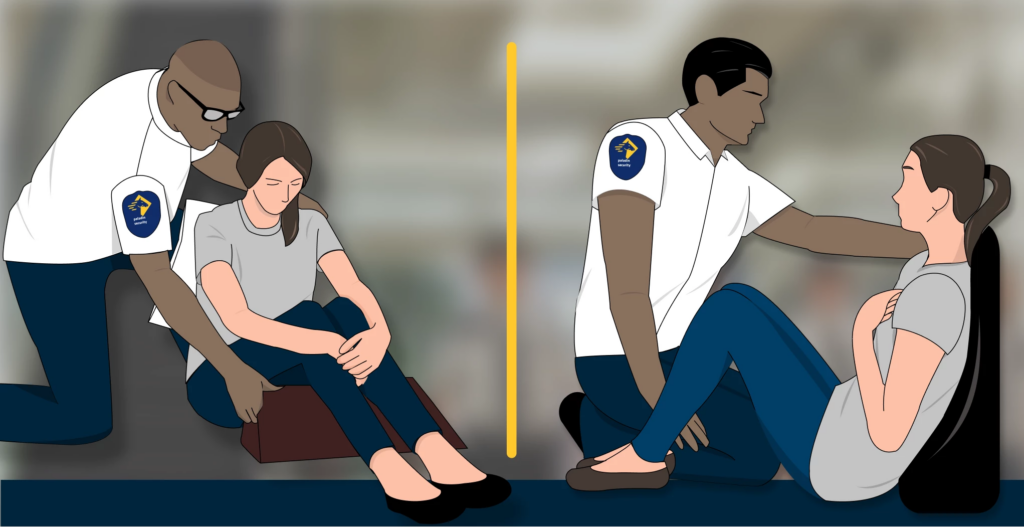
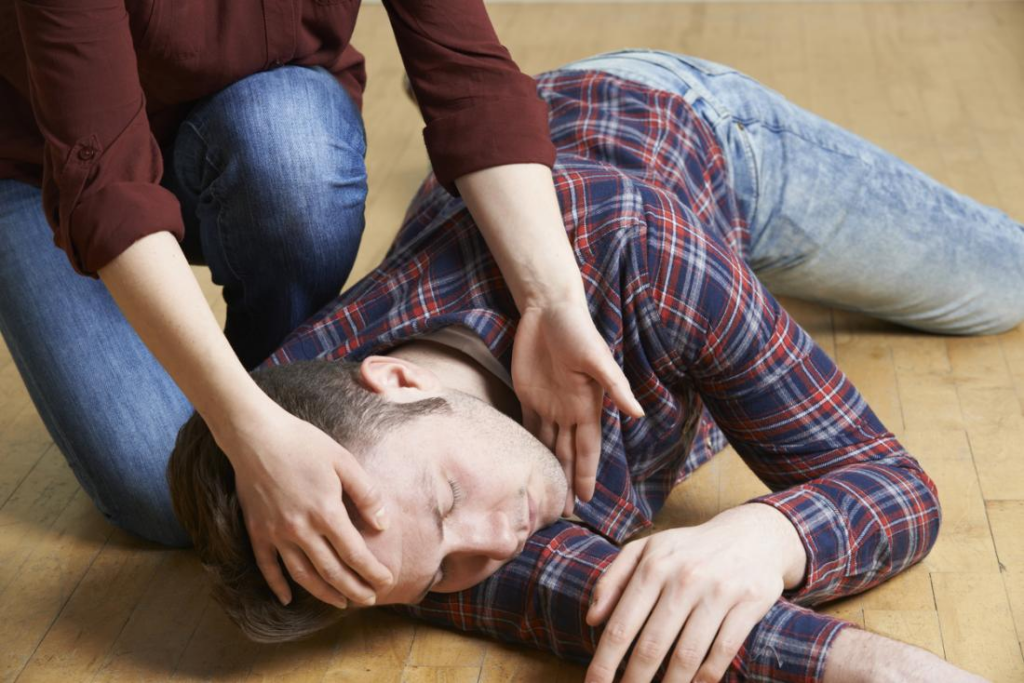
Another key part of stroke first aid is keeping the person comfortable while you wait for the paramedics to arrive at your house. If they are conscious you should help them lie down on their side with their head slightly raised to help with blood flow. This position is also good in case they feel sick and need to vomit so they do not choke on anything. You should stay with them and talk to them even if they cannot answer back because hearing a familiar voice can keep them from panicking too much during the stroke first aid process.
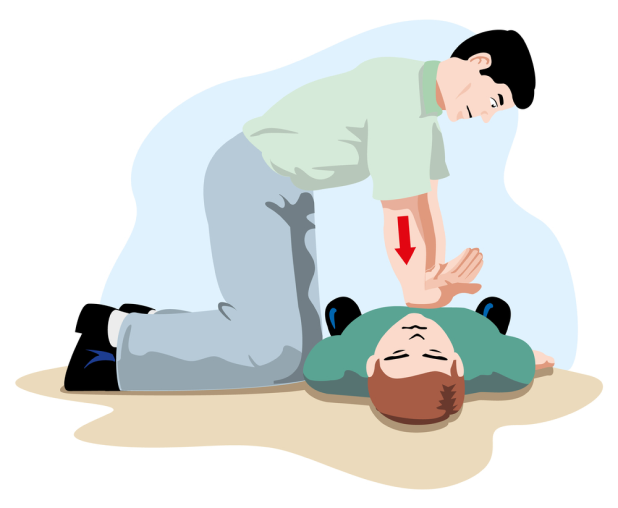
If the person loses consciousness while you are waiting you need to check their breathing and pulse right away. If they stop breathing you might have to start CPR which is an advanced level of stroke first aid that involves chest compressions. It is also very helpful if you can look at your watch and note exactly what time the symptoms started. Doctors at the hospital will ask for this information because certain medicines that break up clots can only be given within a specific window of time after the stroke first aid situation began.
Sometimes people have what is called a mini stroke where the symptoms only last for a few minutes and then disappear. Even if they feel totally fine after five minutes you still need to treat it as a serious stroke first aid emergency and take them to the ER. These small events are often a big warning sign that a much larger and more dangerous stroke is coming very soon. Taking action early is the best way to prevent a tragedy from happening to someone you care about.
It is also a good idea to gather any medications the person is currently taking so you can show them to the medical team. This helps them understand the person’s health history quickly without wasting time on tests that might not be needed yet. Being prepared and knowing stroke first aid makes you a valuable person in any crisis situation. The more people who know these simple steps the more lives we can save in our communities every single year.
Read Also: Are Hibiscus Tea Benefits as Powerful as Some Medicines?
Just remember that you do not need to be a doctor to provide life saving help. Just following the basic steps of stroke first aid and getting professional help as fast as possible is the most important job you have. The recovery process can be long and hard but it all starts with those first few minutes of care that you provide on the spot.