

Somali education boom is a phrase that many old teachers and grandparents in Mogadishu use when they talk about the days when the whole country seemed to be holding a pen and a notebook at the same time. In the early 1970s the government made a huge decision to finally write down the Somali language using the Latin alphabet which changed everything for regular people who couldn’t speak English or Italian. This Somali education growth was not just a small change in the schools but it was a massive movement where students from the cities were sent out to the countryside to teach the nomads how to read and write for the first time in history. Because of this Somali education growth the literacy rate in the country jumped from only five percent to over fifty percent in just a few short years which is something that very few countries in the world have ever managed to do. It was a time of great pride and energy where every village was building a new classroom and every child was given a chance to learn for free. This Somali education growth created a generation of doctors and engineers who are still the backbone of the community today even if they are living far away from home.
Read Also: Vocational Training Needs for Somalia’s Skilled Workforce
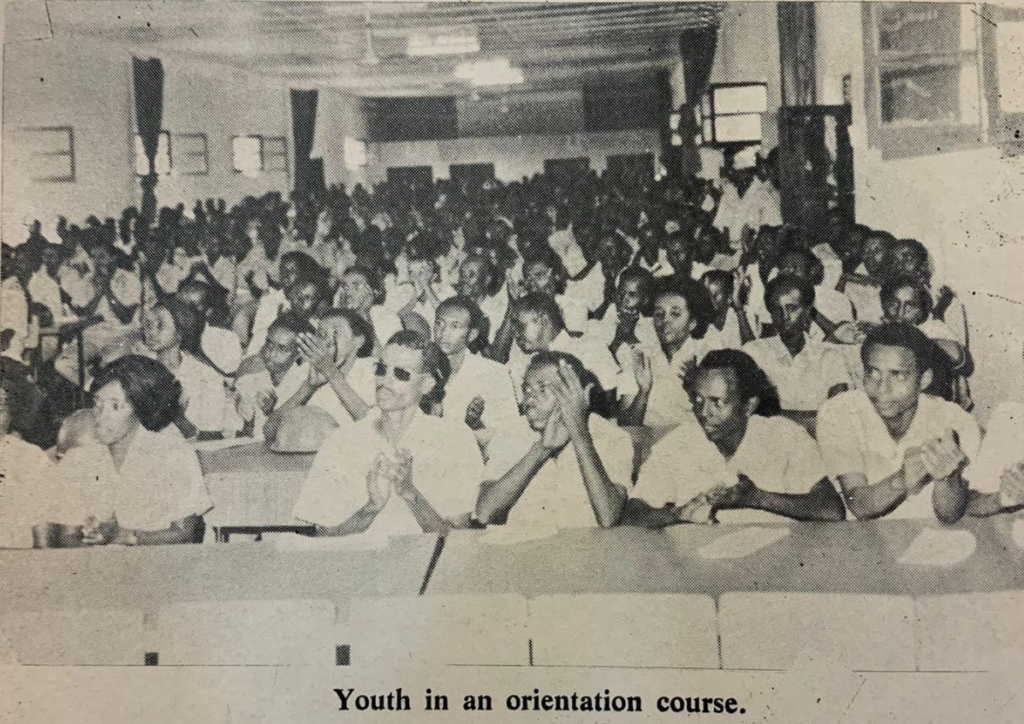
The reason this Somali education growth worked so well was that it involved everyone from the top leaders to the smallest kids in the primary schools who all wanted to see their nation grow. During the rural development campaign of 1974 all the schools in the big cities were actually closed for a whole year so that twenty thousand students could go and live with the farmers to share their knowledge. This was a key part of the Somali education growth because it broke down the walls between the educated people in the towns and the hardworking people in the bush who had been left behind for a long time. People used a famous slogan during the Somali education growth which said “if you know it teach it and if you don’t know it learn it” which became the motto for the whole country. You could see people practicing their letters in the sand or on the walls of their houses because the hunger for learning was so strong in every heart.
Read Also: Quranic schools role: why are they so important in Somalia?
The impact of the Somali education boom on the national identity
Before the Somali education growth happened the government had to use foreign languages for all its official papers which made it very difficult for the average person to understand what was going on in their own country. When the language was finally written it allowed for a massive Somali education boom in the arts and the news because now stories and poems could be printed in books for everyone to read in their own tongue. This Somali education boom helped to unite the different clans and regions under one common script which made the nation feel much stronger and more independent than it ever was during the colonial times. Even the university system grew very fast during this period with the Somali National University becoming a famous place for students from all over Africa to come and study for free. It is hard to imagine now but the Somali education boom made Mogadishu a center of light and learning where the libraries were always full and the bookstores were the busiest places in town.
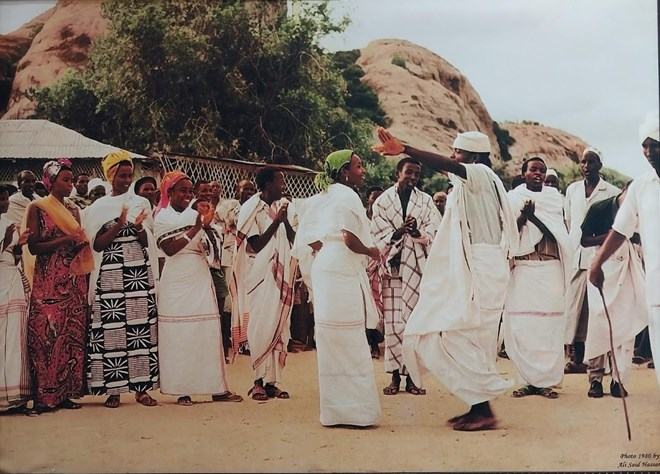
Why we still look back at the Somali education boom today
Many people feel a bit sad when they think about the Somali education boom because they know that much of that progress was lost during the later years of war and trouble. However the spirit of the Somali education boom is still alive in the way that Somali people everywhere value education more than almost anything else for their children. They remember that the Somali education boom proved that if the people are united and they have a clear goal they can achieve miracles in a very short amount of time. Even today the lessons learned during the Somali education boom are being used to try and rebuild the schools and get the new generation back into the classrooms where they belong. The history of that golden age serves as a map for the future showing that a country that invests in its minds will always find a way to rise up again no matter how hard the path might be.
Read Also: Somali Education Journey: From Wooden Tablets to University Degrees
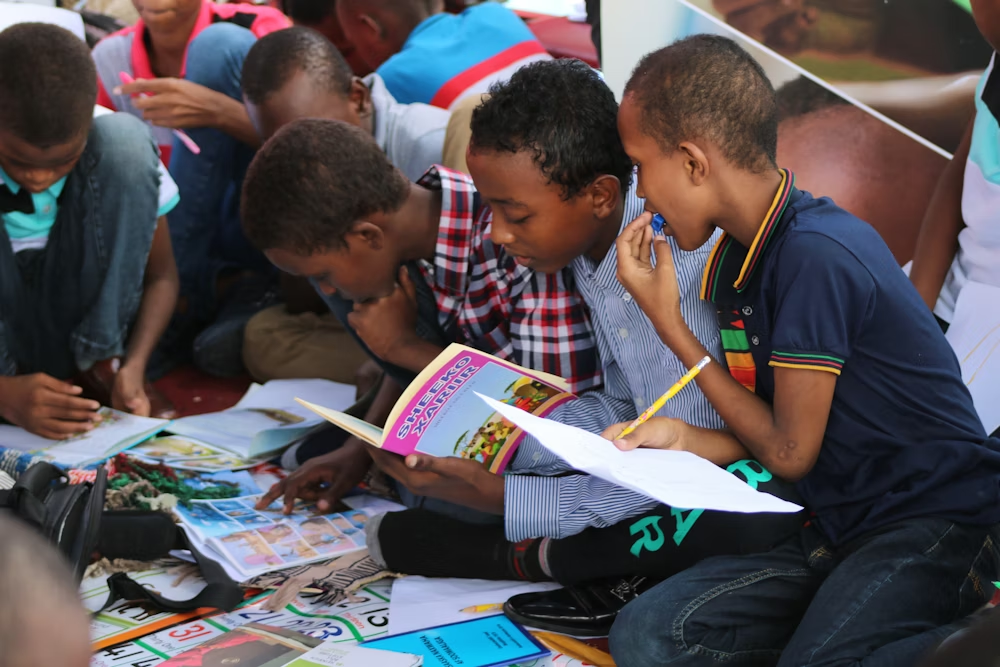
In conclusion the decade of the seventies was a special moment in time when the whole nation decided that knowledge was the most powerful tool they had to build a better life. The Somali education boom left a legacy of literacy and hope that continues to inspire the youth of today to keep reaching for the stars. We should never forget the hard work of those students and teachers who traveled across the hot deserts to make sure that no Somali was left in the dark. It is a story of success that belongs to every person who ever picked up a book and dreamed of a brighter tomorrow for their beautiful country.