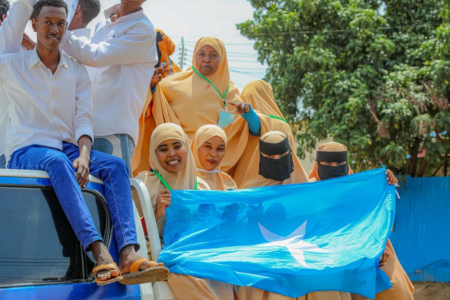


Somali college hurdles are the biggest topic for every young person in Mogadishu right now because even though we have more universities than before the quality and the cost are making things very difficult for everyone involved. you can see thousands of students struggling to pay their monthly fees because the Somali college barriers start with the fact that most schools are private and they want a lot of dollars that many families just do not have. Another one of the major Somali college hurdles is that many of the teachers do not have high degrees themselves so the students feel like they are not learning the modern skills they need to compete with the rest of the world.
Even when a student is very smart and works hard they often find that the Somali college barriers include a lack of books and old laboratories that do not have the right equipment for science or engineering classes. It is a very tough situation because education is the only way out of poverty but the Somali college hurdles are standing like a giant wall in front of the youth who just want to help their country grow.
We need to talk more about how to fix these Somali college barriers before a whole generation of talent is wasted because they could not afford a seat in a classroom or because the degree they got was not recognized by anyone outside the country.
Read Also: Top Career Paths: Best Jobs to Study for in Somalia Today
The government is trying to help but the reality of the Somali college barriers is that there is not enough money in the national budget to give everyone a free education like in the old days. This means that the Somali college hurdles also include the problem of “degree inflation” where everyone has a paper from a college but nobody has the actual skills to do a job in a hospital or a big tech company.
Many students told me that the Somali college barriers make them feel very tired and hopeless because they spend four years studying and then they end up sitting in a tea shop with no work to do. This is why we must focus on the quality of what is being taught and not just the number of students who are entering the gates of the universities every September.
Why the lack of research is one of the biggest Somali college barriers today
If you look at the universities in other countries they are places where people discover new things but here the Somali college barriers mean that we are just repeating old lessons from old textbooks. Without research the Somali college barriers stay exactly where they are because we are not finding local solutions for our problems like the drought or the energy crisis that hits us every year.
Professors often have to work three different jobs just to survive so they do not have time to sit and write new papers or help their students with big projects which adds to the Somali college barriers for the next generation. We need to find a way to fund research centers so that the Somali college hurdles do not stop our best brains from thinking about the future of the nation in a creative way.
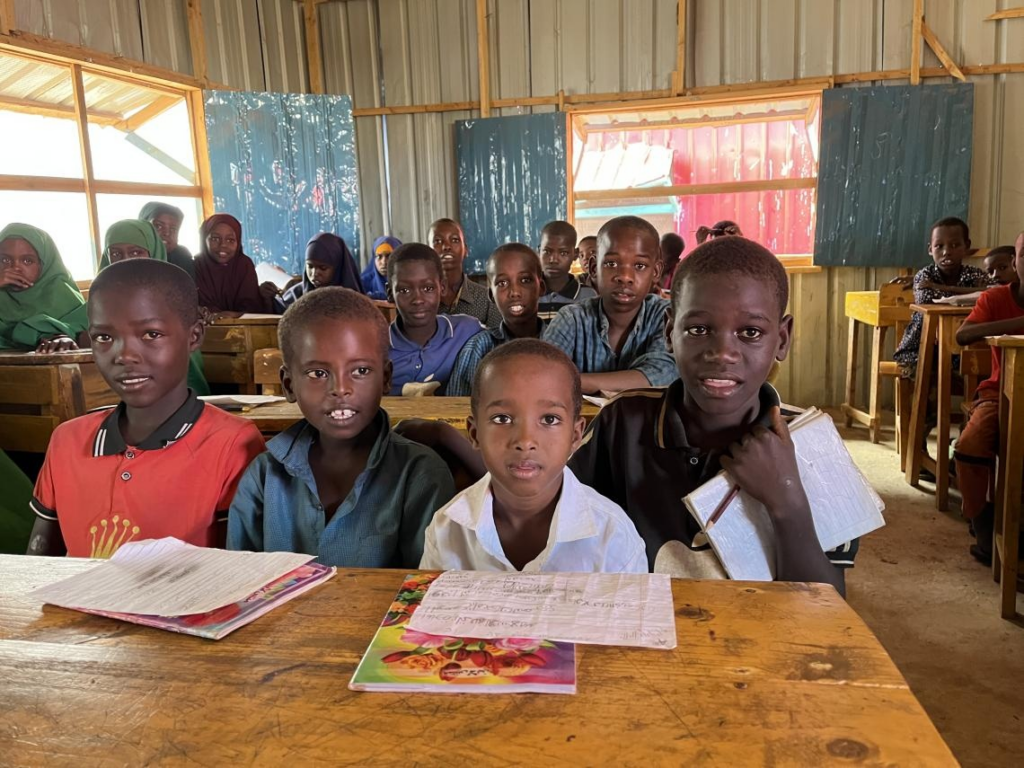
Read Also: Somali Girls Education Builds Stronger Families & Futures
How the internet can help jump over the Somali college hurdles
One bright spot in this story is that the internet is getting better and it might be a way to skip some of the Somali college barriers by allowing students to take free classes from big universities in America or Europe. By using YouTube and other websites the students can fight back against the Somali college hurdles and learn coding or medicine from the best experts in the world for free.
However this only works if you have electricity and a good laptop which is another one of the Somali college hurdles that the poor students have to face every single day. If we can get more cheap internet and solar power to the students then the Somali college hurdles will not be as scary as they are right now for the kids in the smaller towns and villages.
Read Also: How can Somali Education Recovery bring hope to a generation shaped by conflict?
The path to a degree in Somalia is full of thorns and stones but the hunger for knowledge is still very strong among the people. The Somali college hurdles are many and they are deep but with more help from the international community and better rules from the government we can start to clear the way. We should be proud of every student who manages to graduate despite all these Somali college hurdles because they are the real heroes of our time. Let us hope that by the time the next year comes around we have found some real answers to these problems so that our universities can become the shining lights they are meant to be.