

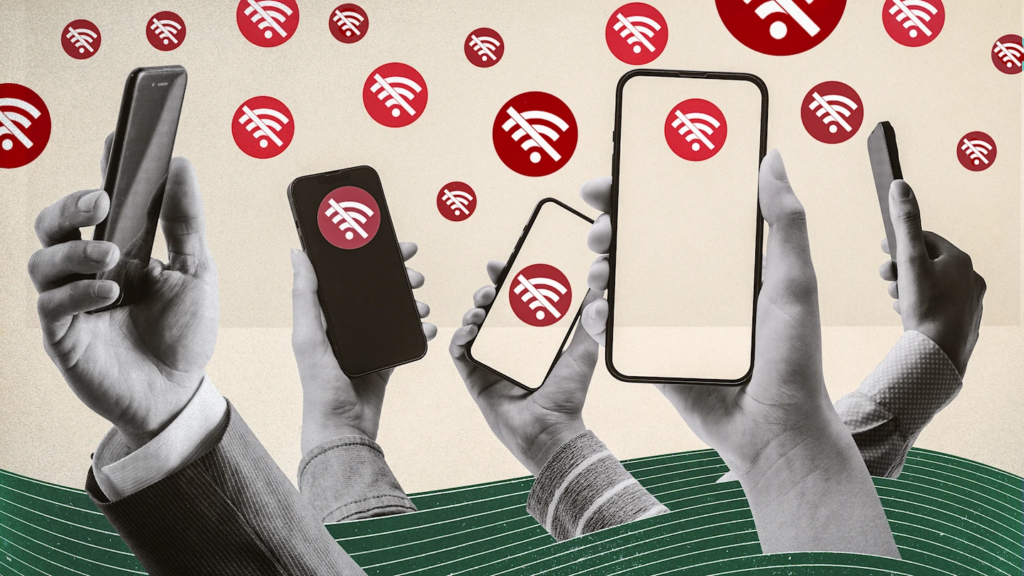
The Iran internet blackout is a situation that has become all too common for people living in Tehran and other major cities during periods of political tension or large protests. When the government pulls the plug on the World Wide Web, it can feel as though the entire country has been cut off from the modern world in a single moment. These shutdowns are often used to prevent organization and limit what global media can see. However, people are resourceful. Even when screens go dark, they find alternative ways to stay connected. In this article, we explore the clever—and sometimes old-fashioned—methods communities use to share news and protect their families when digital communication is restricted.
Read Also: Human brain limits: ready for self-driving cars?
The Return of Sneakernet and Physical Data Sharing
When you cannot send a video over WhatsApp or Telegram because of an Iran internet blackout you have to go back to the basics of physical movement.
People have started using what they call “Sneakernet” which basically means putting files on a USB stick or an SD card and physically walking them to a friends house. This way of moving information is slow but it is very hard for the authorities to track or stop.
During a long Iran internet blackout these little pieces of plastic become more valuable than gold because they carry the truth about what is happening in different neighborhoods. It reminds us that even without a signal information can still travel if someone is brave enough to carry it.
Using Mesh Networks and Offline Apps
Technology has also provided some cool workarounds that dont require a central server to work. Apps like Bridgefy or Briar use Bluetooth and Wi-Fi signals to create a “mesh network” between phones that are close to each other. Even during a total Iran internet blackout these apps allow people to send text messages to their neighbors as long as they are within a few hundred feet.
If enough people use these apps in a crowded area like a bazaar or a protest square the message can jump from phone to phone until it reaches the other side of the city. This type of connection is a nightmare for the censors because there is no single cable to cut to stop the flow of words.
Satellite Technology and the Battle for the Sky
Another major way that people bypass an Iran internet blackout is by looking up at the sky instead of at the ground cables. Satellite internet like Starlink has become a huge topic of conversation lately because it allows a house to have a signal that comes directly from space. While the equipment is often smuggled into the country and is technically illegal it provides a vital lifeline for activists and journalists. During a heavy Iran internet blackout having a satellite dish on your roof is a massive risk but for many it is the only way to let the world know that they are still there and still fighting for their rights.
The Power of Local Landlines and Voice Calls
Sometimes the most effective way to beat an Iran internet blackout is to go back to the 1990s and use the old copper telephone lines. While the government can monitor calls it is much harder for them to stop millions of people from just talking to each other on a landline. People use coded language to talk about where to meet or what is happening in their street so that the “ears” listening in dont understand the true meaning. This human network of voice calls is a powerful part of the Iran internet blackout survival kit because it relies on the direct trust between two people who know each others voices.
Flash Drives in the Walls and Dead Drops
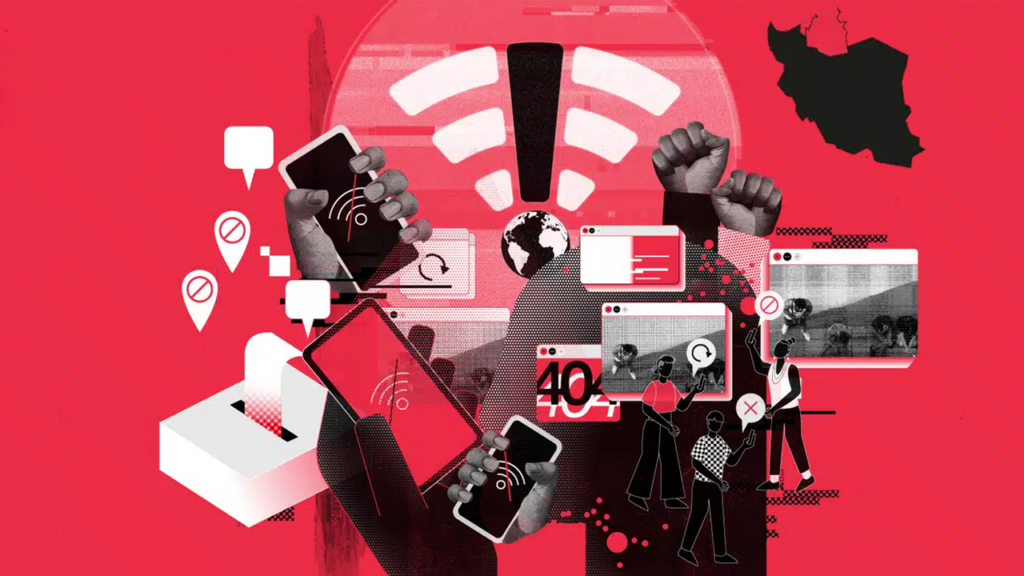
In some very high-risk areas people have even started using “dead drops” which are USB drives hidden in walls or under stones in public parks. An activist can leave a video of a protest on the drive and then another person can come by an hour later to pick it up and upload it once they find a rare connection point. This Iran internet blackout method is like something out of a spy movie but it is the reality for people who are desperate to share their stories. It shows that no matter how much technology is taken away the spirit of communication cannot be totally broken.
The Role of International Radio Stations
We also see a big return to shortwave and medium-wave radio during these dark times. Stations like the BBC or Radio Farda broadcast from outside the country and their signals can travel over the borders without any need for a fiber optic cable. During an Iran internet blackout families sit around old radio sets to hear the news from the outside world. It might be old technology but it is very reliable and almost impossible to jam completely over a large area. It provides a sense of comfort to know that someone out there is still talking and still listening to what is happening inside the silent zone.
Handwritten Notes and Public Signage
Finally we cannot forget the power of simple paper and pen. When the Iran internet blackout is at its worst people go back to writing notes and sticking them on walls or dropping them in mailboxes. Graffiti also becomes a major way to communicate slogans and meeting times to a large number of people at once. These physical signs are a constant reminder to the government that even if they kill the internet they cannot kill the ideas that are written on the walls of the city. Every piece of paper becomes a small act of rebellion against the digital silence.
Read Also: Smart war bots: changing how wars are won

Final Thoughts on Living Without a Connection
In conclusion an Iran internet blackout is a very difficult thing to live through but it has also shown the incredible creativity of the human spirit. People have proven that they dont need a billion-dollar infrastructure to talk to each other if they have the courage to find other ways.
Read Also:Salawat App Breach: Can Hackers Aid Iran Protests?
Whether it is through space satellites or a simple note passed in the street the conversation continues. We hope for a future where everyone in Iran can talk freely without fear of the “off” switch being flipped but until then they will keep finding the gaps in the wall.